
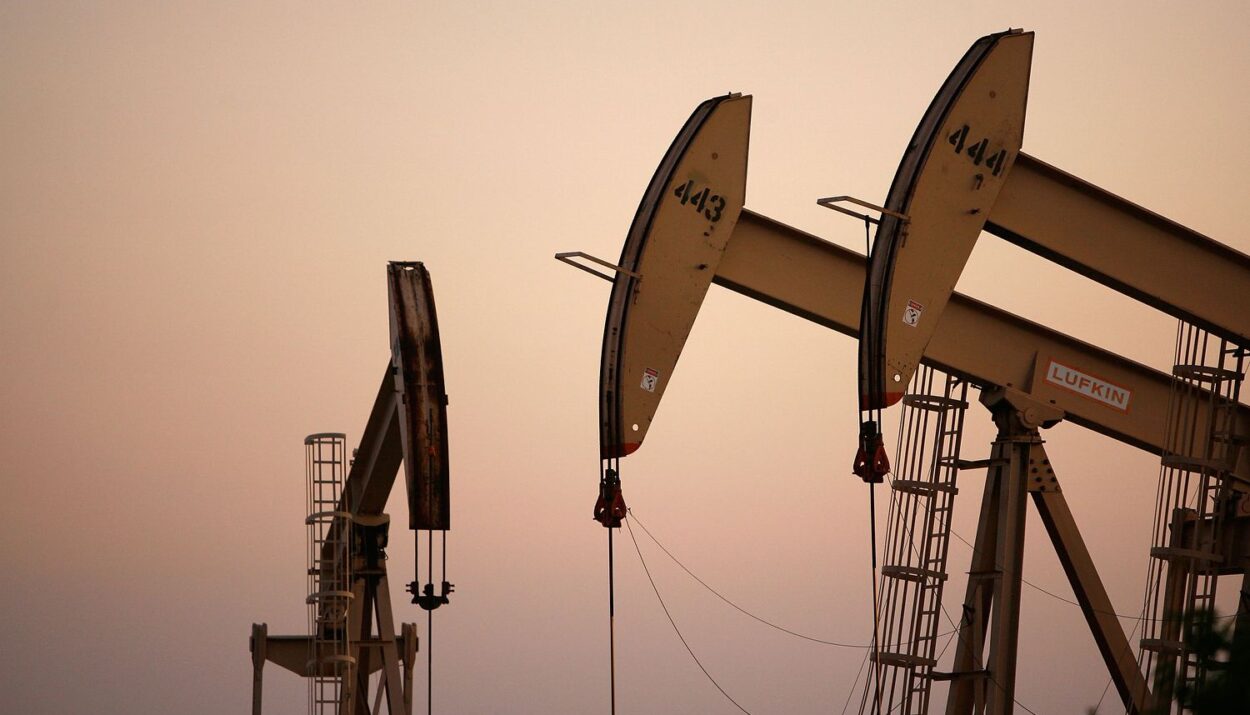

Oil markets entered 2026 expecting a sharp price drop. Analysts widely predicted a massive global oversupply after crude oil prices fell by about 20% in 2025. Instead, prices have done the opposite. They climbed, leaving traders wondering why a surplus has not pushed oil lower.
Brent crude is up about 15% this year, while WTI has risen roughly 14%, even though supply is still expected to exceed demand by millions of barrels per day. The International Energy Agency estimates the market could remain oversupplied by around 3.7 million barrels daily.
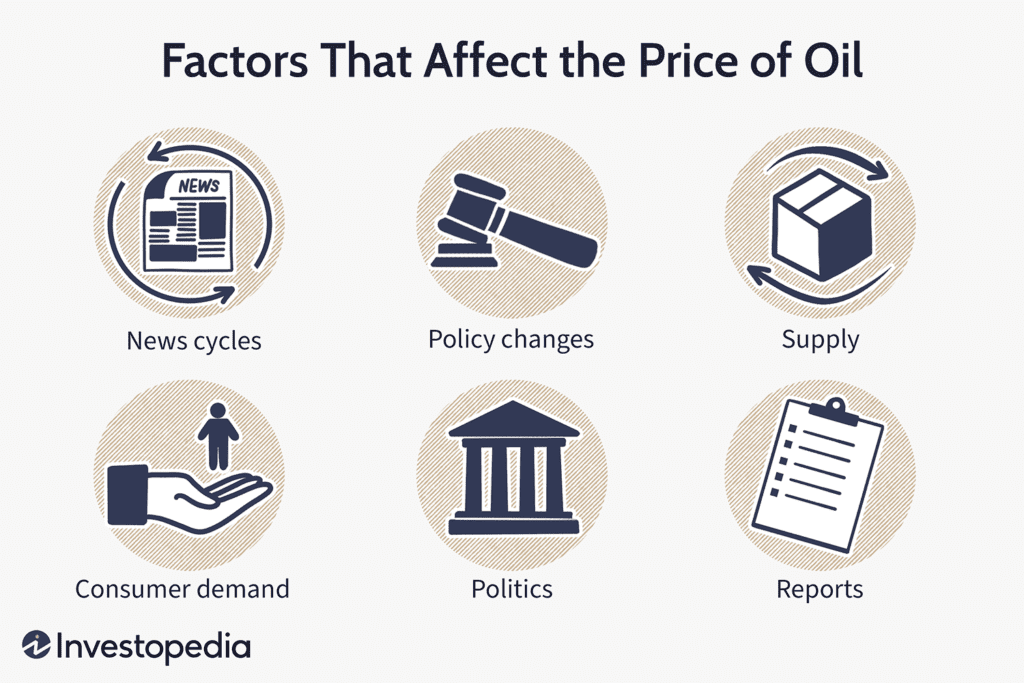
Geopolitics Is Overpowering Supply Math
Right now, political risk matters more than fundamentals. Rising tensions between the US and Iran have raised fears of disruptions in the Strait of Hormuz, one of the world’s most important oil chokepoints. Even the threat of conflict can push prices higher.
Sanctions have tightened supply as well. US restrictions on Russian producers Rosneft and Lukoil are estimated to have removed about 600,000 barrels per day from global markets. Drone strikes on export infrastructure tied to the Caspian pipeline have cut shipments further.
Shipping disruptions in the Red Sea are also tightening supply conditions. Tankers rerouting around Africa increase delivery times and costs, which in turn support prices.
Demand Is Stronger Than Forecasts
Many analysts expected global oil demand to weaken. Instead, it has held up better than predicted. Strong transport activity, colder weather, and resilient labor markets have supported fuel consumption. China is also expanding storage capacity and continuing to buy crude.
The IEA recently raised its 2026 demand outlook and reported global supply actually fell by about 1.2 million barrels per day month over month.
Prices Could Still Drop Later
Despite the rally, most analysts still believe the surplus will eventually push prices lower. Forecasters at Goldman Sachs expect Brent crude could average about $56 per barrel this year, more than 20% below current levels. Rystad Energy estimates the current fair value near $61.
The key takeaway: oil is rising not because supply is tight, but because markets are pricing in risk. As long as geopolitical tensions remain elevated, prices can stay high even in an oversupplied market.
Disclosure: This article does not represent investment advice. The content and materials featured on this page are for educational purposes only.
Related: Two Stock Market Trends Investors Should Know
Prediction Market ETFs Could Be on the Way. Here’s What You Need To Know About Them