Venezuela’s debt crisis, one of the world’s largest unresolved sovereign defaults, has returned to the spotlight as investors speculate on political change and the possibility of an eventual restructuring.
The country has been in default since late 2017, after missing payments on international bonds issued by the government and state oil company Petróleos de Venezuela. Since then, unpaid principal, accumulated interest, and legal claims tied to past expropriations have pushed Venezuela’s external liabilities far beyond the original bond values.
How much does Venezuela owe?
Analysts estimate roughly $60 billion in defaulted bonds remain outstanding. When PDVSA obligations, bilateral loans, and arbitration awards are included, total external debt is estimated at $150 billion to $170 billion. With nominal GDP around $82.8 billion in 2025, Venezuela’s debt-to-GDP ratio is an extreme 180% to 200%, according to IMF estimates.
A key asset at the center of creditor battles is Citgo, which was pledged as collateral for a PDVSA bond maturing in 2020. US courts have registered about $19 billion in claims against Citgo’s parent company, far exceeding the refinery’s estimated value.
Who is owed money?
The creditor pool is crowded and complex:
- International bondholders, including distressed-debt funds.
- Arbitration claimants, such as ConocoPhillips and Crystallex, awarded billions after asset expropriations.
- Bilateral lenders, mainly China and Russia, though precise balances remain unclear due to limited disclosure by Caracas.
Is restructuring any closer?
Despite a rally in Venezuelan bonds during 2025, a formal restructuring remains distant. Any comprehensive deal would likely require backing from the International Monetary Fund, yet Venezuela has not had an IMF consultation in nearly two decades and remains shut out of IMF financing.
US sanctions also remain a major obstacle, restricting Venezuela’s ability to negotiate or issue new debt without approval from Washington. While markets have reacted to shifting US policy signals, no broad authorization for debt talks has been granted.
What might creditors recover?
Venezuelan bonds currently trade around 27 to 32 cents on the dollar. Citi estimates that restoring debt sustainability would require at least a 50% principal haircut. Under its base case, creditors could receive a long-dated bond with modest coupons plus instruments to compensate for past-due interest, implying recoveries in the mid-40s cents on the dollar, potentially higher if oil-linked warrants are included. Other investors see recoveries closer to 25 to 35 cents, depending on politics and sanctions.
A fragile economic backdrop
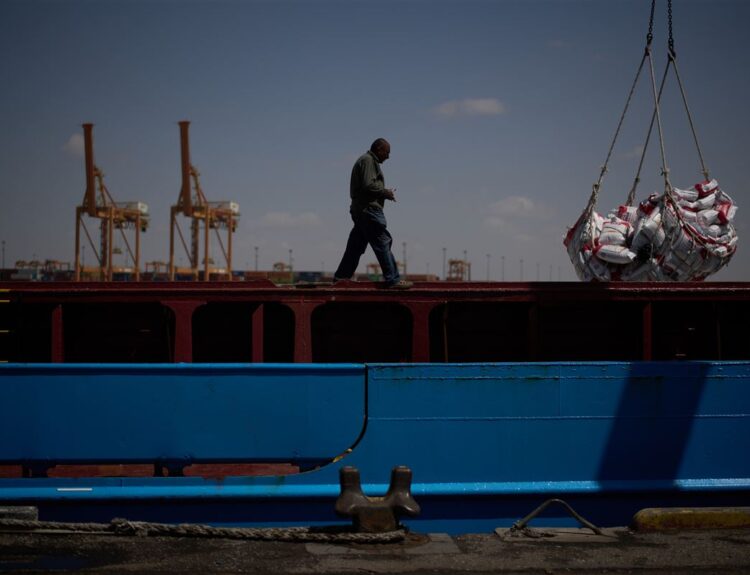
Any recovery hinges on Venezuela’s battered economy. Oil production has stabilized but remains constrained by low prices, heavy discounts on crude, and infrastructure decay. Recent US actions targeting oil shipments have further squeezed revenues.
President Trump has said US oil companies could invest billions to rebuild Venezuela’s oil sector, but timelines and conditions remain uncertain. For now, Chevron is the only US major with an ongoing presence in the country.
Until political clarity and sanctions relief emerge, Venezuela’s debt restructuring remains a high-stakes bet rather than an imminent reality.
Disclosure: This article does not represent investment advice. The content and materials featured on this page are for educational purposes only.
Related: Venezuela Has Massive Oil Reserves. But Producing Them Is the Challenge