

US inflation climbed to 3.3% in March, the fastest pace in nearly two years, and the reason is pretty clear: energy prices exploded.
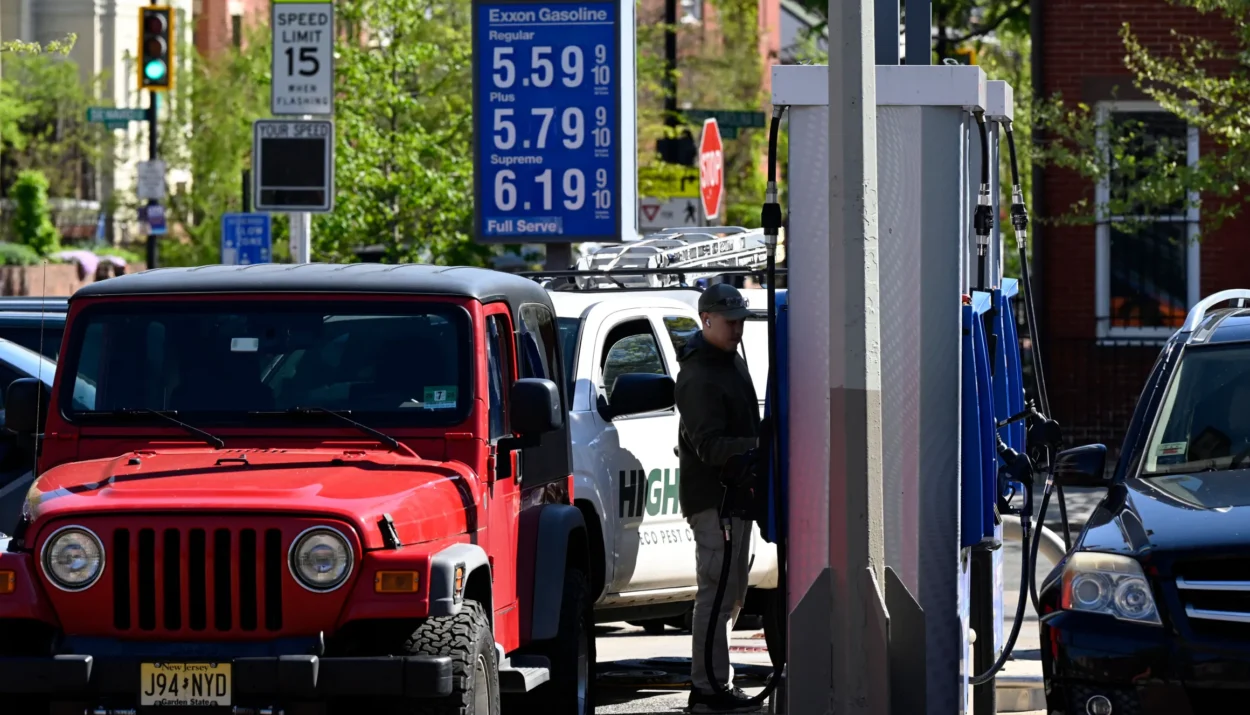
On a monthly basis, prices jumped 0.9%, a sharp acceleration from February’s 0.3%. And here’s the key driver behind it all, gasoline prices surged 21.2% in just one month, accounting for almost three quarters of the entire increase.
So what changed?
The answer goes back to the US–Israel conflict with Iran, which began in late February. As tensions escalated, oil markets reacted immediately, pushing fuel prices higher and feeding directly into inflation.
Why this matters more than just gas
At first glance, this looks like an energy story. But it rarely stays that way.
When fuel prices rise, everything becomes more expensive to produce and transport. That means this isn’t just about what you pay at the pump, it slowly spreads into: transportation, airline tickets, everyday goods, services
For now, we’re only seeing the first wave.
Interestingly, some areas haven’t reacted yet. Grocery prices actually fell slightly by 0.2%, and core inflation (excluding food and energy) rose just 0.2%, showing that broader price pressure hasn’t fully kicked in.
But economists are already warning: this delay is temporary.
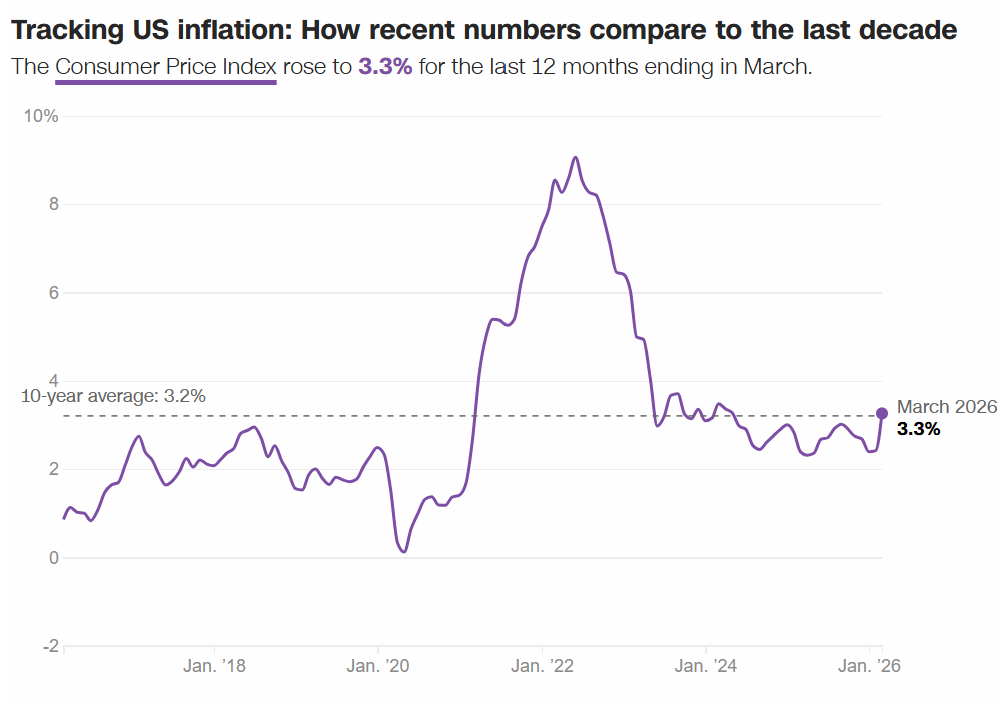
Source: U.S. Bureau of Labor Statistics
“It’s going to get worse”
Heather Long, chief economist at Navy Federal Credit Union, put it very directly: Inflation doesn’t hit everything at once. Energy shocks move through the system slowly.
Even if the war ended tomorrow, the effects would still continue for months. And we’re already starting to see early signs:
- toy prices jumped 2.3%
- tools and hardware rose 1.4%
- vehicle servicing costs increased 1.4%
These might seem like small categories, but they show how price pressure is beginning to spread.
The real problem: your money buys less
Here’s where it gets more serious. For the past few years, wages were growing faster than inflation. That gave people some breathing room.
Now that trend just reversed. After adjusting for inflation, wage growth dropped sharply from 1.3% to just 0.3% in March. In simple terms, prices are rising faster than incomes again.
That’s when people start to really feel it.
This isn’t just about the war
The oil shock didn’t come into a clean economy. Inflation was already slightly elevated due to:
- tariffs pushing up goods prices
- strong consumer demand
- lingering supply pressures
Now, energy costs are being layered on top of that. As one economist put it, we’re not replacing old inflation pressures, we’re stacking new ones on top.
So what happens next?
There is some short-term relief. A temporary ceasefire has reduced fears of a deeper escalation, especially around key oil routes like the Strait of Hormuz.
But uncertainty is still high, and markets know it. The bigger picture is this: This inflation spike may have started with gas, but it won’t stay there.
Over the next few months, expect higher costs to slowly show up across more parts of everyday life. Not all at once, but steadily. And that’s what makes this kind of inflation harder to deal with.
Disclosure: This article does not represent investment advice. The content and materials featured on this page are for educational purposes only.
Related: Trump says Iran has ‘no cards’ beyond Hormuz control