

The White House is weighing new tariff reductions that could lower prices on everyday goods, marking another shift in US trade policy as inflation concerns remain politically sensitive.
Officials in the administration of Donald Trump confirmed that tariffs on certain products containing steel and aluminum may be scaled back, though they stressed no final decision has been made. The proposal would apply to items such as ovens, drink cans, and household goods that rely on those metals.
Policy Shift Driven by Price Concerns
The potential move follows a series of tariff reductions over the past three months as affordability became a major political issue. Some recent adjustments included:
- Food tariff carve-outs on items like beef and coffee
- Lower duties in trade deals with countries such as India and Taiwan
- Narrow semiconductor tariffs with broad exemptions
Recent data suggests prices may already be responding. Coffee prices fell 0.9% between December and January, while beef and veal dropped 0.4%. Overall, consumer prices rose only 0.2% in January.
White House Response
Treasury Secretary Scott Bessent described any potential changes as possible “clarifications on incidental objects,” indicating adjustments would likely be limited rather than a full policy reversal.
Still, analysts say the pattern signals a broader strategic shift. Trade lawyer Ted Murphy noted the administration appears to be moving away from rapid, sweeping tariffs toward a more calibrated approach after recognizing that expanding tariffs can sometimes hurt domestic consumers.
Political Pressure Mounts
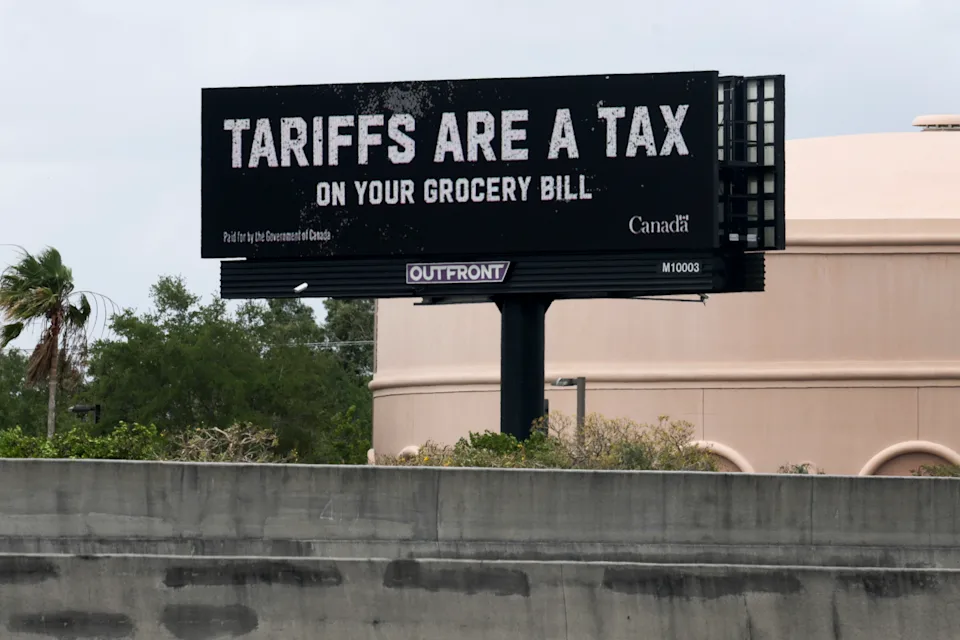
Opposition has begun emerging even within Trump’s own party. Six Republican lawmakers recently broke ranks to vote against tariffs on Canada, highlighting growing unease about trade barriers and their impact on prices.
Market and Industry Implications
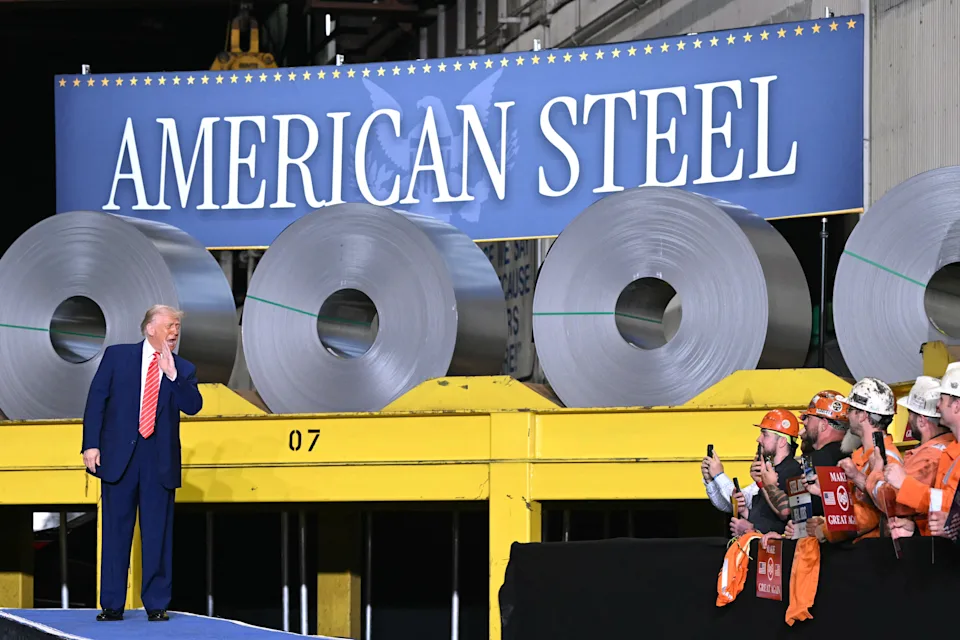
Steel and aluminum tariffs have been central to Trump’s economic strategy since his first term and have been promoted as support for domestic industry, including firms like U.S. Steel. Any rollback could ease costs for manufacturers but may raise concerns among US producers who benefited from protectionist measures.
The administration is not abandoning tariffs, but the steady stream of exemptions and reductions suggests a tactical recalibration as economic and political pressures build.