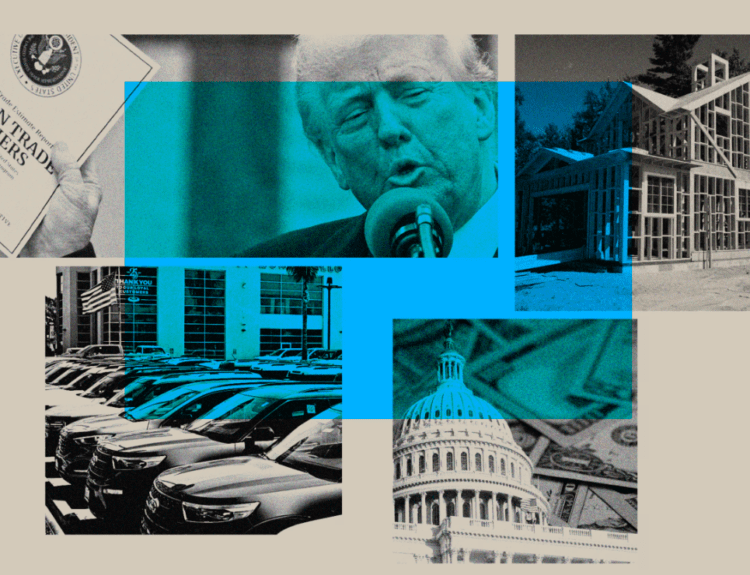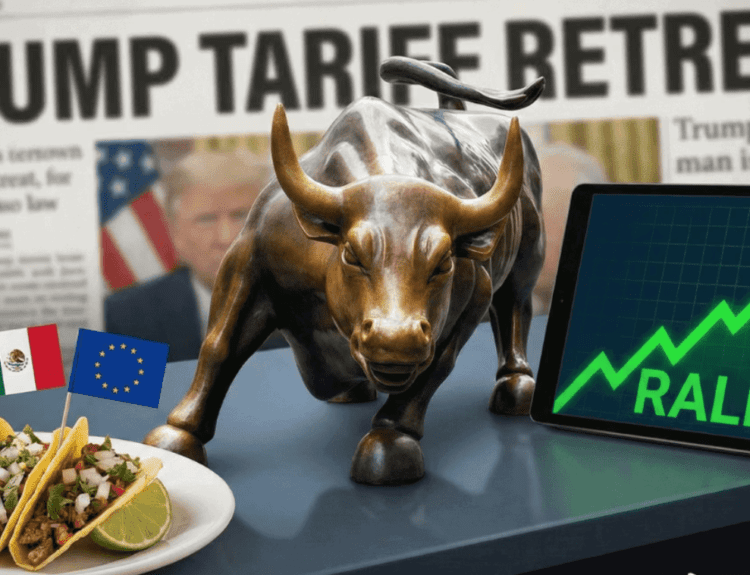
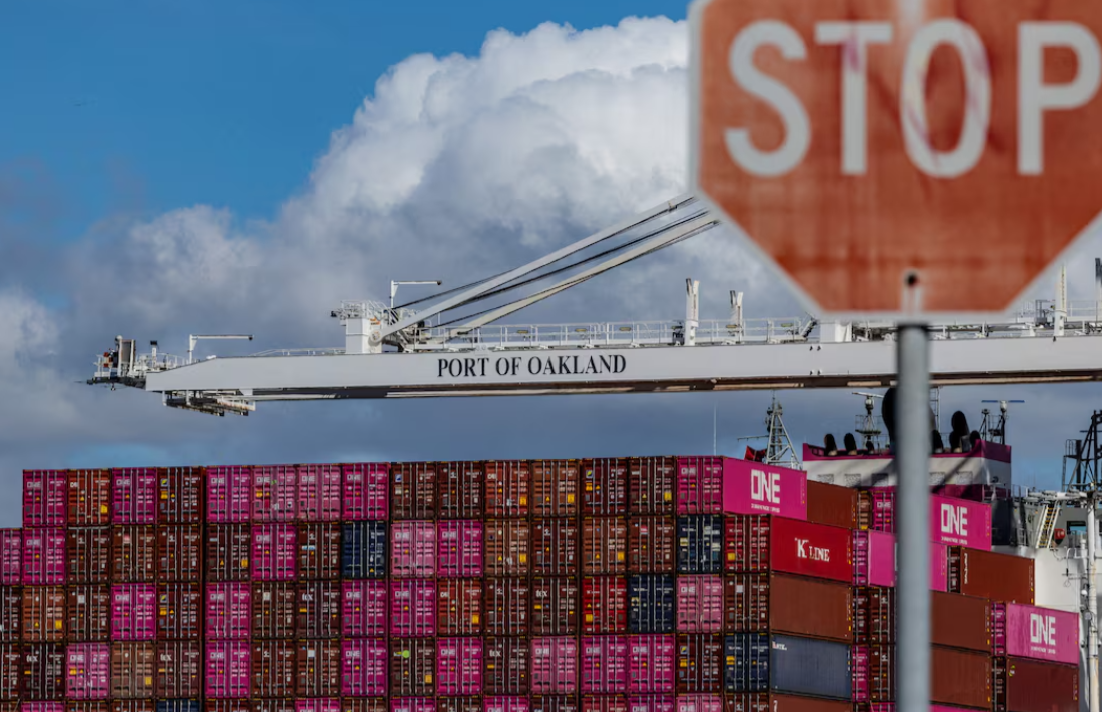

US President Donald Trump has warned trading partners that any attempt to step back from recently negotiated agreements could trigger “much higher” tariffs, following last week’s Supreme Court decision that struck down many of his earlier duties.
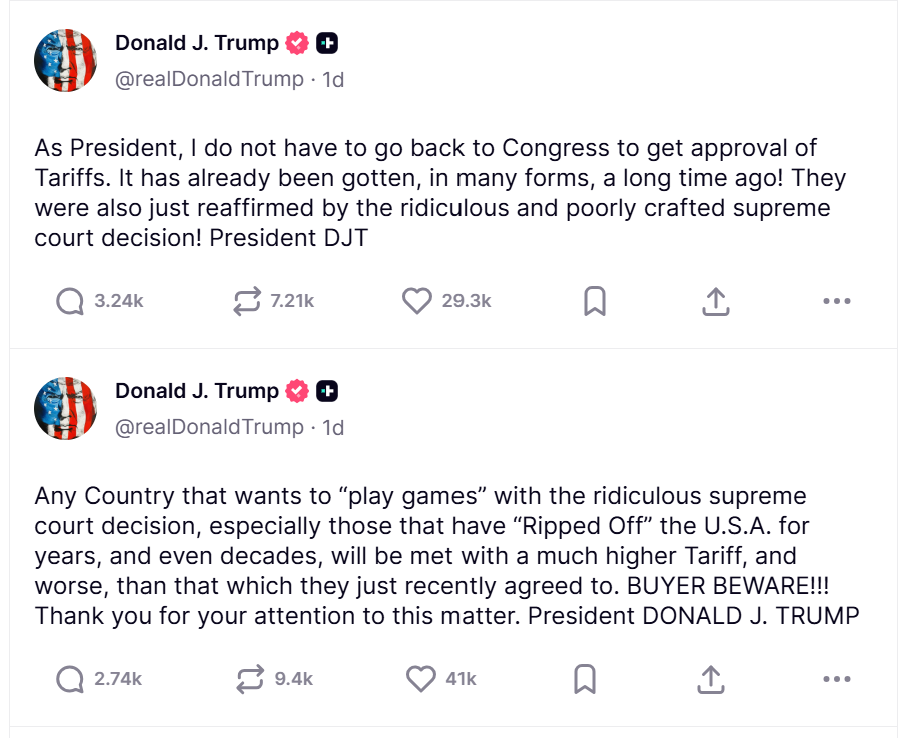
In a series of posts on Truth Social, Trump wrote:
“Any Country that wants to ‘play games’ with the ridiculous Supreme Court decision… will be met with a much higher Tariff, and worse, than that which they just recently agreed to. BUYER BEWARE!!!”
The warning signals that Washington’s tariff strategy is shifting — not retreating.
Supreme Court Blocks Emergency Tariffs
The Supreme Court ruled 6–3 that Trump had overstepped his authority by imposing sweeping tariffs under the International Emergency Economic Powers Act (IEEPA).
The decision invalidated most of the emergency-based tariffs introduced last year, creating immediate legal and financial uncertainty.
Trump responded within hours by announcing a new global tariff under Section 122 of the 1974 Trade Act.
- Initially set at 10%
- Raised to 15%, the maximum allowed under the statute
- The 10% rate took effect at 12:01 AM Tuesday, according to US Customs
- It remains unclear when the 15% rate will formally begin
Section 122 allows tariffs to stay in place for 150 days without congressional approval.
Trump also signaled he could pursue Section 301 investigations into alleged unfair trade practices and even suggested imposing new license fees, though no details were provided.
Europe, India, UK Reassess Deals
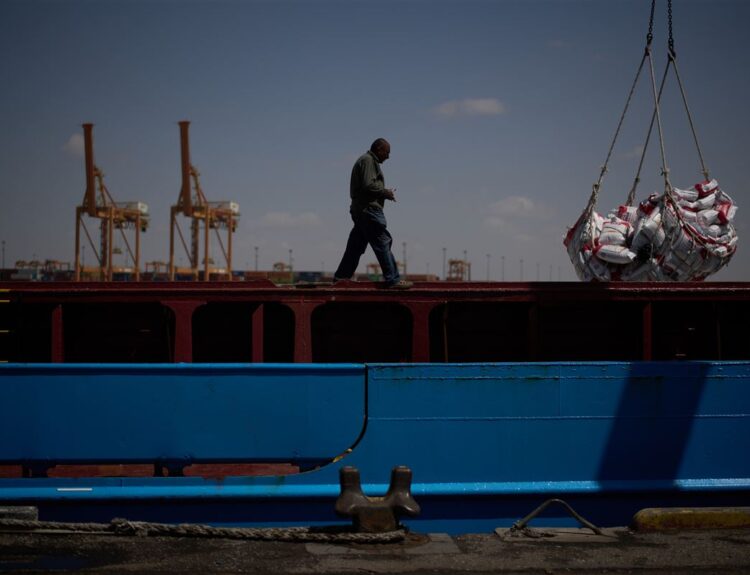
The ruling has forced key US partners to reassess their agreements.
The European Union delayed ratification of its US trade deal, seeking clarity on how the new tariffs would apply.
Under the EU framework:
- Goods would face a 15% US tariff
- Exemptions included aircraft parts, critical minerals, food items, and pharmaceutical ingredients
India postponed scheduled talks aimed at finalizing its own agreement.
The UK said it is pressing Washington for clarification on whether its previously negotiated 10% tariff arrangement will remain valid under the new structure.
US Trade Representative Jamieson Greer insisted that policy remains unchanged.
“The legal tool to implement it might change, but the policy hasn’t changed,” Greer said.
Markets React to Renewed Trade Uncertainty
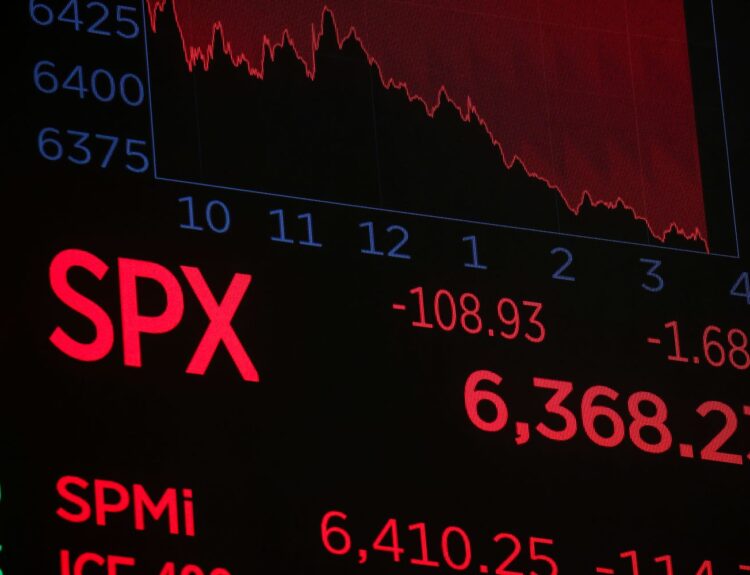
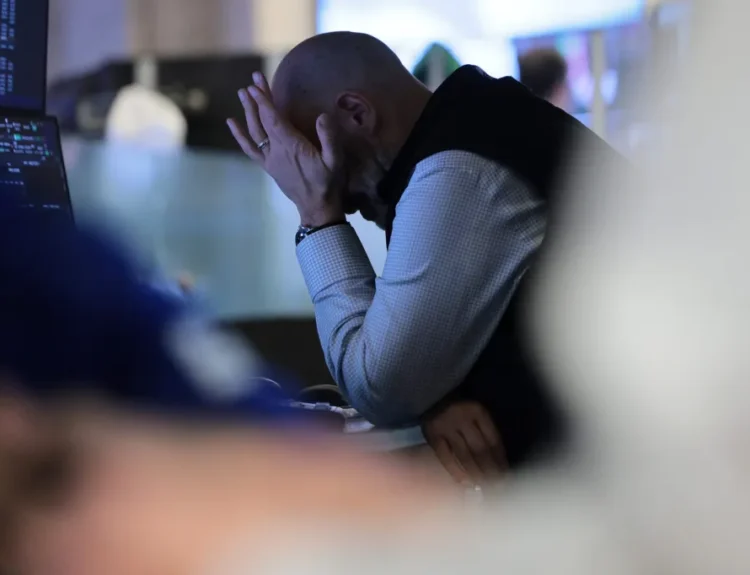
Wall Street closed lower as investors digested the renewed tariff risks.
On Monday:
- Dow Jones Industrial Average: –1.65%
- S&P 500: –1.02%
- Nasdaq Composite: –1.01%
- The US dollar weakened against the euro and yen
Analysts cited tariff uncertainty and broader AI-related volatility as key drivers behind the selloff.
Political and Legal Battles Ahead
A group of 22 Democratic senators introduced legislation that would require refunds for tariffs collected under the now-invalidated emergency powers. The proposal faces an uncertain future in Congress.
The temporary 15% tariff structure will expire after 150 days unless extended by lawmakers. Senate Democratic leader Chuck Schumer has already said Democrats would block an extension, and some Republicans have expressed skepticism.
Trump, however, argued that he does not need congressional approval to pursue tariffs under alternative legal authorities.
The Supreme Court ruling may have blocked Trump’s emergency tariffs, but it has not softened US trade policy. Instead, it has triggered a new phase of tariff tools, legal maneuvering, and global uncertainty.
For now, the message from Washington is clear: trade commitments must stand, or face higher costs.
Disclosure: This article does not represent investment advice. The content and materials featured on this page are for educational purposes only.
Related: How Should Businesses Seek Tariff Refunds After Supreme Court Ruling?
UK says ‘nothing is off the table’ in response to US tariffs