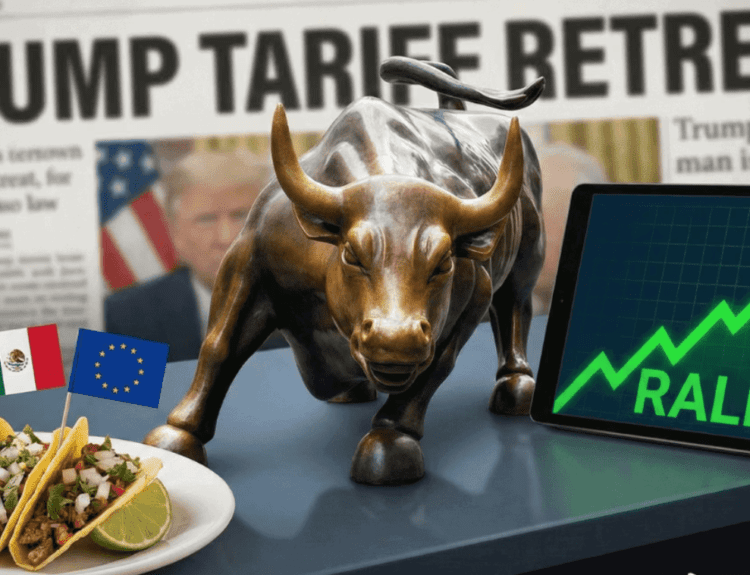

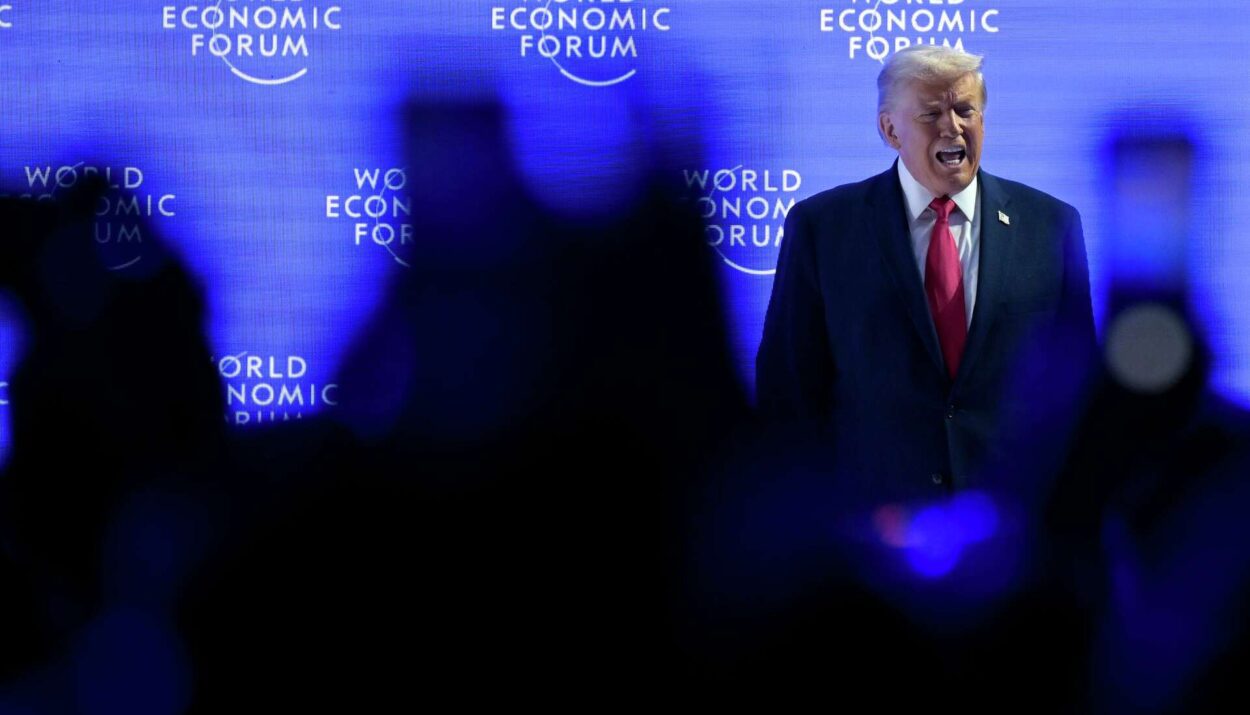

President Donald Trump on Wednesday pulled back from his threat to impose sweeping tariffs on European countries that opposed his plan to acquire Greenland, announcing a “framework” for future talks and cancelling the punitive measures. The move, quickly dubbed another “TACO” moment (“Trump Always Chickens Out”) on Wall Street, helped avert what could have become a full-scale US–EU trade war.
European leaders had been preparing retaliation after Trump warned he would slap 30% tariffs on several European nations unless they supported US control of Greenland, a territory belonging to NATO ally Denmark. The European Union was even weighing emergency action and had paused final approval of a fragile trade deal with Washington.
With Trump stepping back, the immediate crisis faded, but tensions remain high.
Europe had its counterattack ready
EU officials had lined up a €93 billion package of retaliatory tariffs targeting politically sensitive US exports such as soybeans and whiskey, designed to hit Republican-leaning states ahead of US midterm elections.
The bloc was also considering deploying its powerful Anti-Coercion Instrument, a legal tool that allows Brussels to restrict trade, investment, and access for foreign companies.
“This tool is legitimately described as a bazooka,” said Jacob Funk Kirkegaard of the Peterson Institute, noting it could have inflicted targeted damage on US business interests.
Trade deal now in doubt
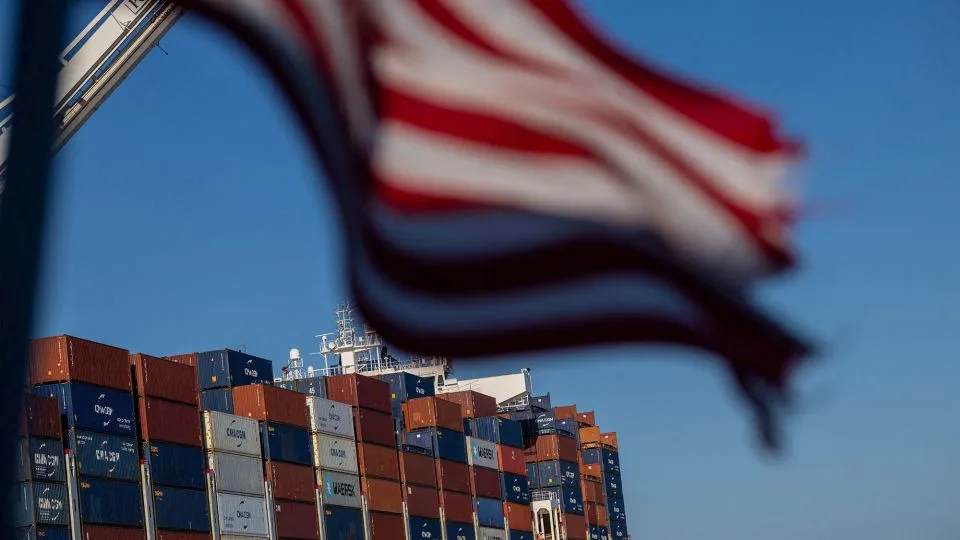
In response to Trump’s threat, EU lawmakers suspended ratification of a draft US–EU trade agreement that set a 15% tariff on most imports but included exemptions for pharmaceuticals and a pledge by Europe to buy $750 billion of US energy products.
Analysts say many in Europe see the deal as “very asymmetric” in favor of the US, and its future remains uncertain even after Trump’s reversal.
Financial weapons stayed unused
Some analysts warned Europe could have gone further by selling US Treasury holdings. EU countries collectively own about $8 trillion in US stocks and bonds, making them America’s largest foreign lenders.
But experts dismissed that option as unrealistic, since dumping Treasuries would also hurt Europe by lowering the value of its own holdings.
Why Trump backed down
It remains unclear what forced Trump’s retreat. Possible triggers include Europe’s threat of retaliation, the freezing of the trade deal, or market concerns.
Either way, analysts say the standoff shows how fragile transatlantic trade relations remain.
“A trade war would have raised US prices, hit business confidence, and hurt European exporters,” economists warned.
Trump’s Greenland tariff threat is gone for now, and a damaging economic war has been avoided. But the episode underscores how quickly geopolitics can shake global trade.
As one analyst put it: “Europe still thinks this is a game with clear rules. It’s not.”
Disclosure: This article does not represent investment advice. The content and materials featured on this page are for educational purposes only.
Related: Trump Tells Davos World Must Follow the US, Doubles Down on Greenland and Tariff Threats
Trump’s Greenland tariffs: What’s Europe’s ‘trade bazooka’ option to hit back?