
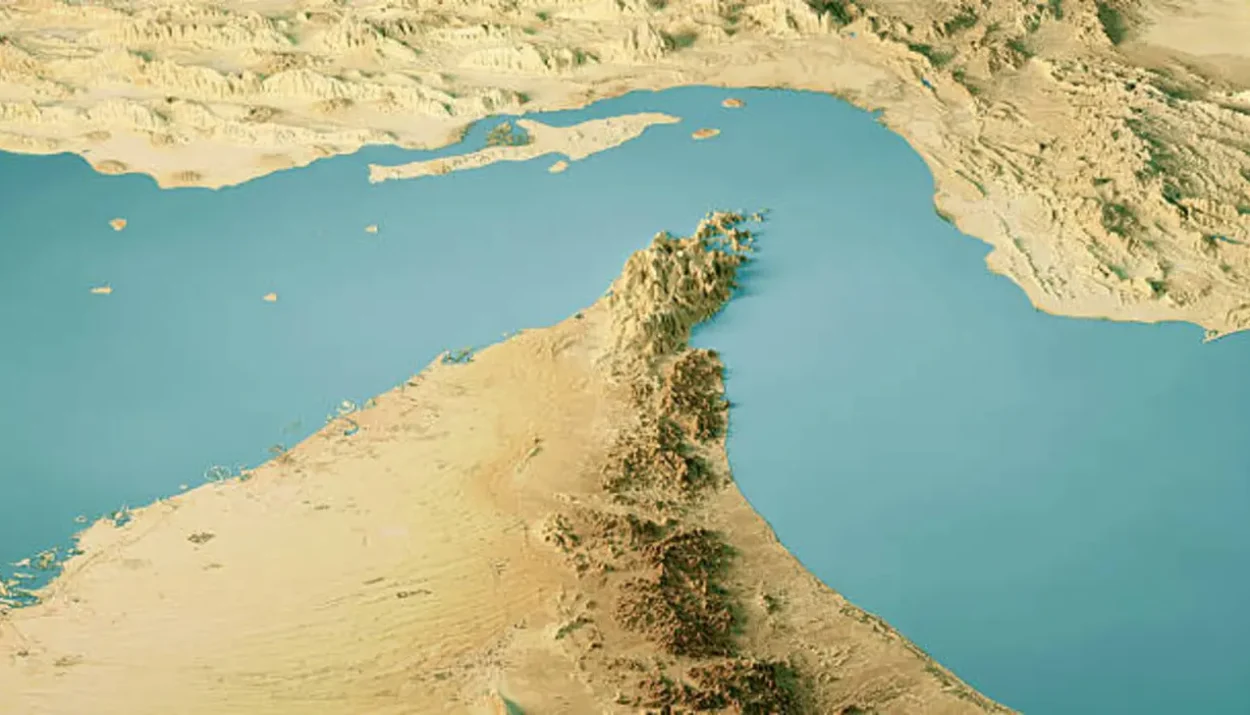

Efforts to reopen the Strait of Hormuz are unlikely to succeed without a ceasefire, as Iran continues to control access to one of the world’s most critical oil routes.
The narrow waterway, which carries around 20% of global oil supply, has seen traffic drop sharply due to drone attacks, mine threats, and ongoing military tensions. Despite US calls for a multinational naval effort to escort tankers, analysts say military solutions alone are not enough to restore normal shipping.
Iran Effectively Controls the Strait
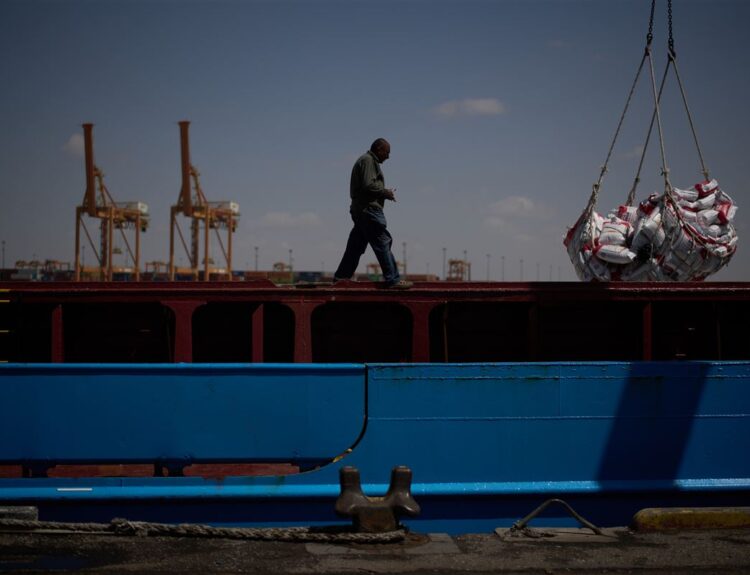
Shipping through the strait has not fully stopped, but it is now happening largely on Iran’s terms. Some vessels are still passing by hugging Iran’s coastline, suggesting safe transit depends on Tehran’s approval rather than external protection.
Experts warn that even a strong naval presence cannot fully eliminate the threat.
“Until Iran’s capabilities like mines, drones, and fast attack craft are neutralized, shipping will remain too risky,” analysts say.
Allies Reluctant to Join US Plan
US President Donald Trump has pushed allies to send warships to help secure the route, but response has been limited.
- UK Prime Minister Keir Starmer said reopening the strait is “not straightforward.”
- France said it will not participate while active conflict continues.
- Other countries have questioned whether additional naval forces would make a real difference.
Trump later said the US may not need allies’ help, criticizing NATO partners for their lack of support.
Oil Markets Remain Under Pressure
The disruption has already had a major impact on energy markets.
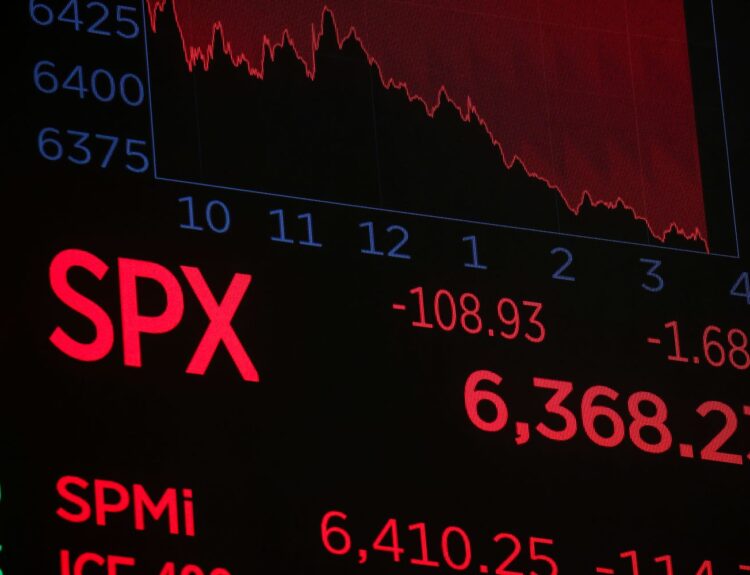
- Brent crude has surged about 40%, trading above $100 per barrel
- Fuel shortages and higher prices are spreading across global markets
- Diesel and jet fuel supplies are tightening
Producers like Saudi Arabia and the UAE are redirecting some oil through pipelines, but these routes cannot fully replace Hormuz flows.
Even a Deal May Not Fully Restore Flows
Even if a ceasefire is reached, analysts warn the situation may not return to normal quickly.
Iran could continue using sporadic attacks and threats to maintain leverage, making the route too risky for insurers, banks, and shipping companies.
“Iran doesn’t need to fully close the strait,” analysts note. “Just creating enough risk is enough to disrupt global trade.”
For now, without a political resolution, the Strait of Hormuz remains effectively constrained, keeping global energy markets on edge.
Disclosure: This article does not represent investment advice. The content and materials featured on this page are for educational purposes only.