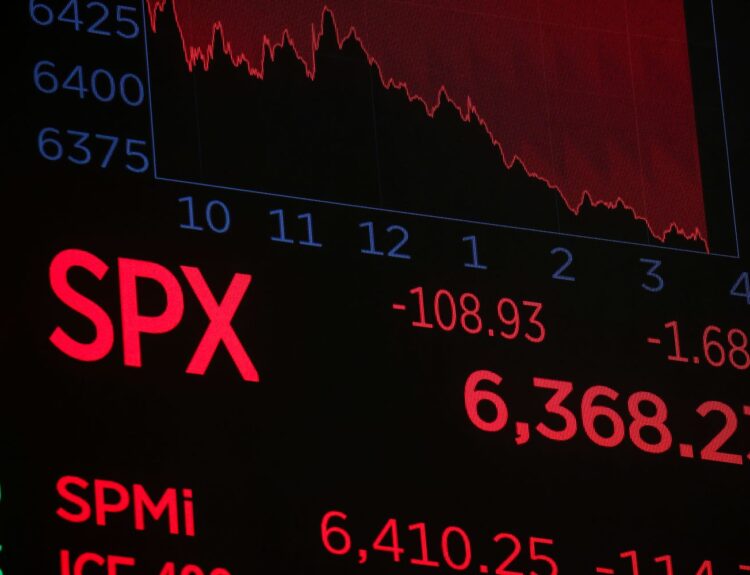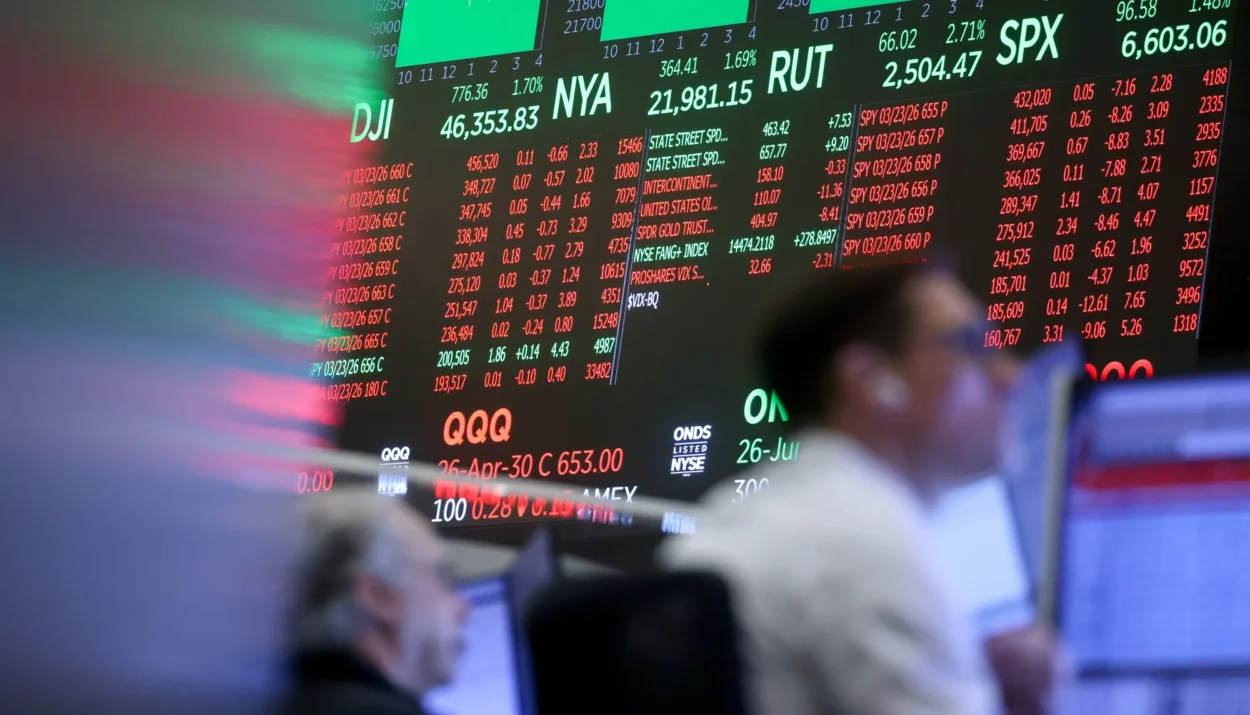

The S&P 500 could bottom around the 6,000 level by late May, according to analysis based on historical market corrections. Despite recent strong rallies, including gains at the end of March and early April, analysts warn that sharp one-day rebounds are often seen in weaker markets, not strong ones.
Base case: standard correction
If the current decline follows historical averages:
- Market could bottom around May 21
- Index could fall into the 6,000 range
- Recovery may take until October to reach new highs
This scenario assumes a typical correction of 10%–20%, which is common in long-term bull markets.
Bull vs trader perspective
- Long-term investors: corrections are normal and temporary
- Short-term traders: may face months of volatility and delayed recovery
Bear case risk still exists
If the downturn turns into a full bear market:
- Bottom could come around January 2027
- S&P 500 could fall to around 4,400
- Full recovery might take years, potentially until 2031
However, history offers some reassurance. Only about 39% of major declines since 1928 turned into bear markets.
The current market setup suggests a likely normal correction rather than a deep crash, but uncertainty remains. If history holds, the market may stabilize by May, with recovery later in the year. If not, the downside could be much deeper and longer-lasting.
Disclosure: This article does not represent investment advice. The content and materials featured on this page are for educational purposes only.
Related: S&P 500 estimates keep rising. These stocks’ views rise most