
Nvidia CEO Jensen Huang says he’s unsure whether China would buy the company’s high-end H200 chips even if the Trump administration lifts export restrictions.
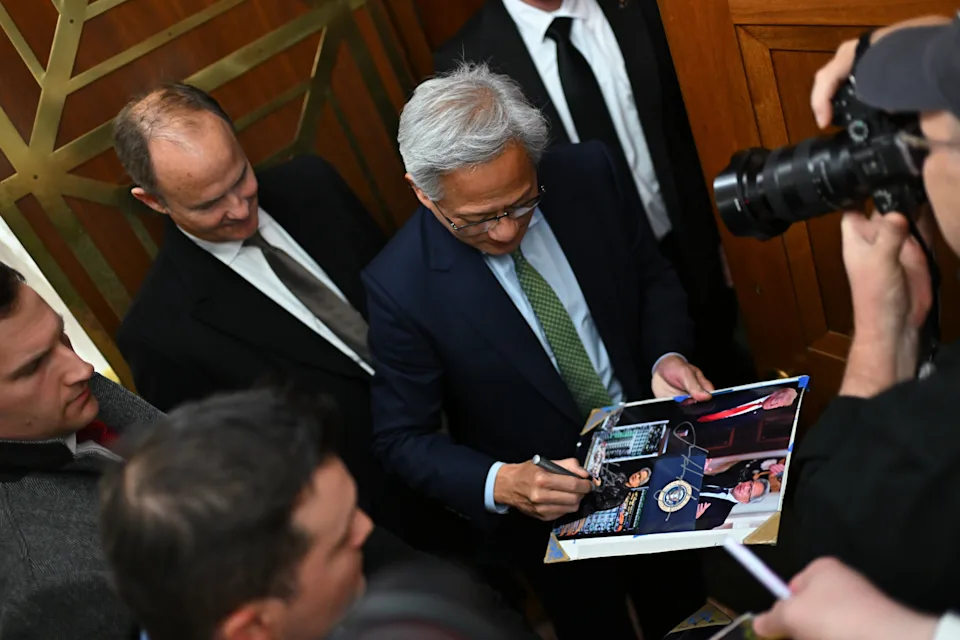
After a Wednesday meeting with President Donald Trump, Huang told reporters at the US Capitol that while export controls were discussed, it’s still unclear how Chinese regulators would react.
“We don’t know. We have no clue,” Huang said before entering a session with the Senate Banking Committee, which oversees export policy. “We can’t degrade chips that we sell to China; they won’t accept that.”
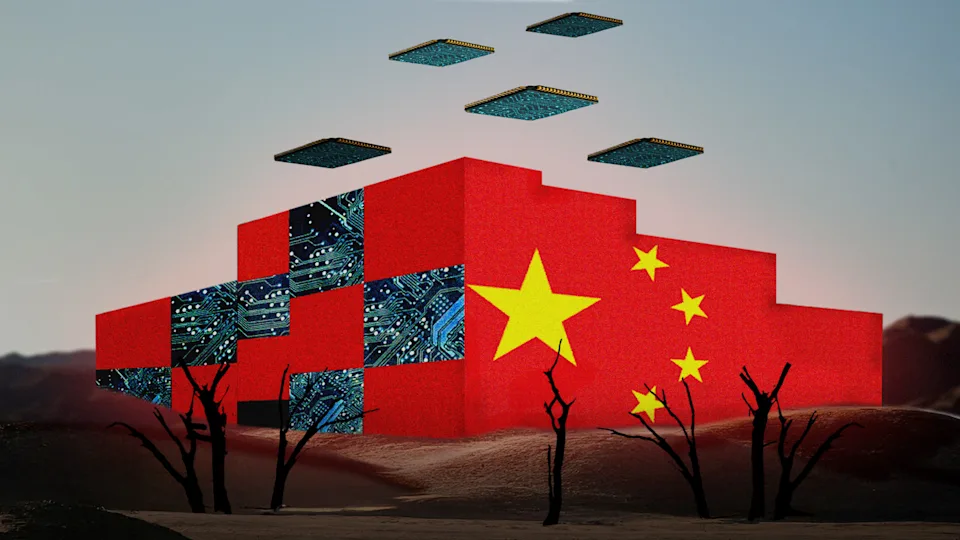
The H200 chip, one of Nvidia’s most advanced AI processors, has been at the center of Washington’s debate over how much access China should have to US technology. Allowing its sale would be a major breakthrough for Nvidia, which has faced heavy restrictions since 2022 under policies designed to limit Beijing’s military AI capabilities.
Trump later praised Huang, calling him “an amazing guy doing an amazing job,” but declined to clarify whether export rules would be eased.
Nvidia’s Growing Political Clout
Huang’s trip to Washington came as Nvidia appeared close to a lobbying win in Congress. Lawmakers removed a proposed defense provision known as the GAIN AI Act, which would have forced chipmakers like Nvidia and AMD to prioritize US buyers before selling to China or other embargoed nations.
“We understand they want global customers,” said Senator Mike Rounds, noting the tension between national security and corporate growth.
Huang has built a close working relationship with Trump since his return to office and is pushing to reopen the Chinese market, which he previously valued at $50 billion for Nvidia. He argues that restricting sales only strengthens domestic Chinese rivals such as Huawei.
“Whenever President Trump would like me to be here,” Huang said when asked about his frequent Washington visits.
Opposition From Security Hawks
Not everyone supports easing the rules. Senator Elizabeth Warren urged Commerce Secretary Howard Lutnick to maintain strict limits, warning that selling H200 chips to China would “turbocharge China’s military and undercut American technological leadership.”
The White House is still reviewing the decision, with Lutnick confirming that Trump will make the final call.
China’s Cautious Response
Even if restrictions are lifted, Beijing’s stance remains uncertain. When Nvidia introduced the downgraded H20 chip earlier this year, Chinese regulators told companies to reject it and favor domestic chips.
Nvidia’s previous efforts to export a weakened version of its Blackwell-generation processor also failed to gain US approval after Trump’s October meeting with President Xi Jinping.
For now, the H200—capable of both training and running AI models—remains off-limits to Chinese buyers. But Huang continues to make the case that engaging China could benefit both economies.
“We’d love the opportunity to reengage the Chinese market,” he said. “Open-source AI from China is spreading globally—it helps everyone.”
Related: Nvidia Earnings Takeaways: Time to Buy $NVDA?
Disclosure: This article does not represent investment advice. The content and materials featured on this page are for educational purposes only.