
Traders are positioning for multiple outcomes as uncertainty peaks, with oil rising, stocks wavering, and frustration building across global markets.
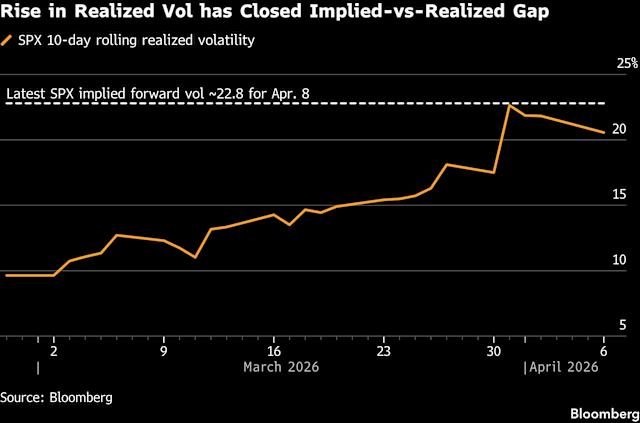
As the latest deadline set by Donald Trump for Iran to agree to a deal draws near, financial markets are once again caught in a cycle of uncertainty, volatility, and shifting expectations. Investors are not just reacting to geopolitics. They are reacting to unpredictability.
A market driven by “binary outcomes”
The current setup is unusually difficult for traders. On one side:
- A potential ceasefire could trigger a relief rally
On the other: - Escalation risks could push oil higher and markets lower
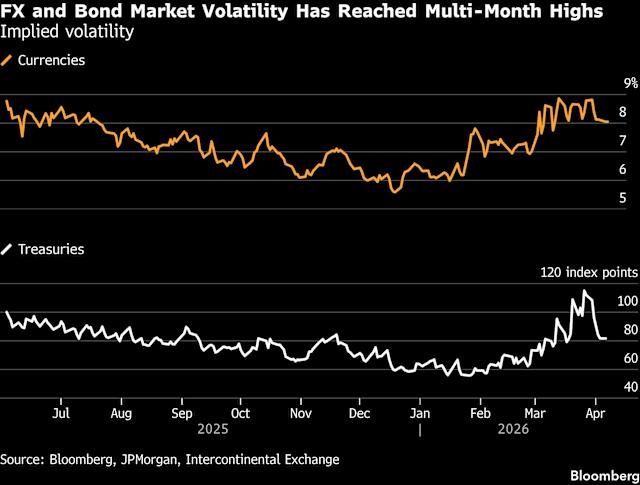
That creates what investors call a binary environment, where outcomes are extreme and hard to price. As one portfolio manager put it: “It is extraordinarily difficult to invest when outcomes are binary.”
Positioning shifts: oil, cash, and caution
With no clear direction, investors are adjusting defensively.
- Some are reducing equity exposure
- Others are buying oil via ETFs
- Many are holding cash or dollar positions for flexibility
The common expectation: Inflation is likely to stay higher for longer, especially through energy and commodities.
Markets react ahead of the deadline
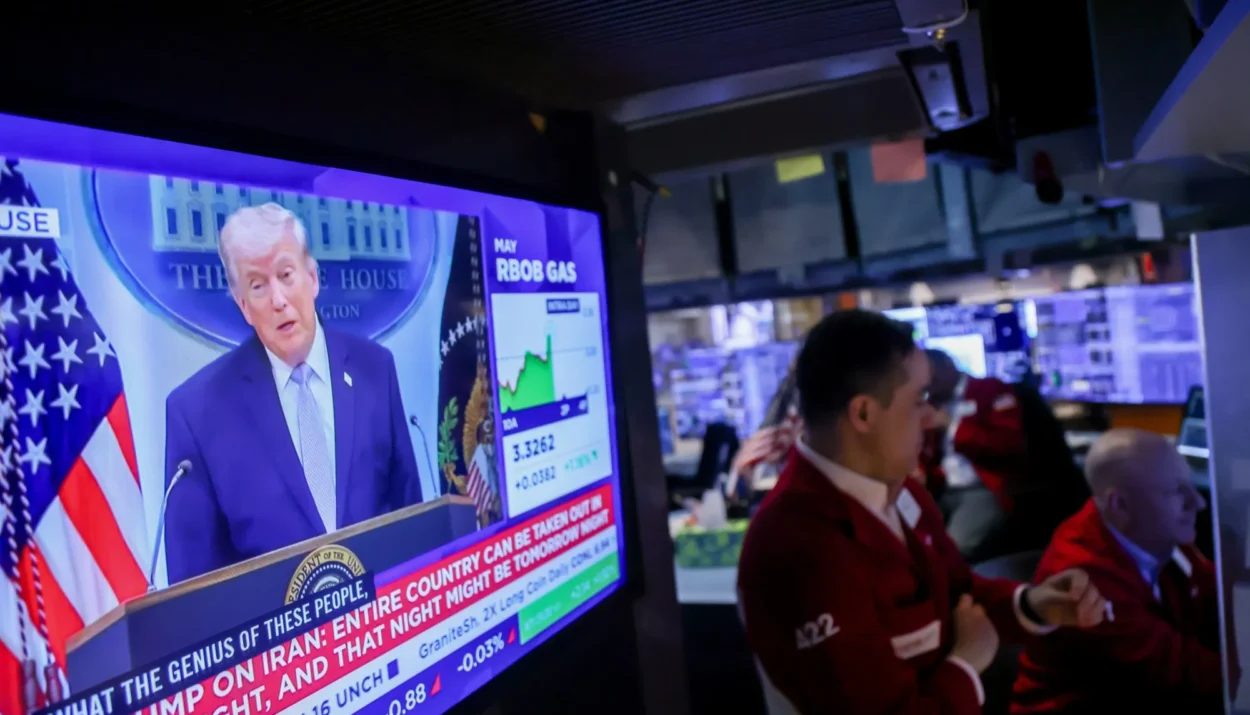
In the hours leading up to the deadline, markets showed clear tension:
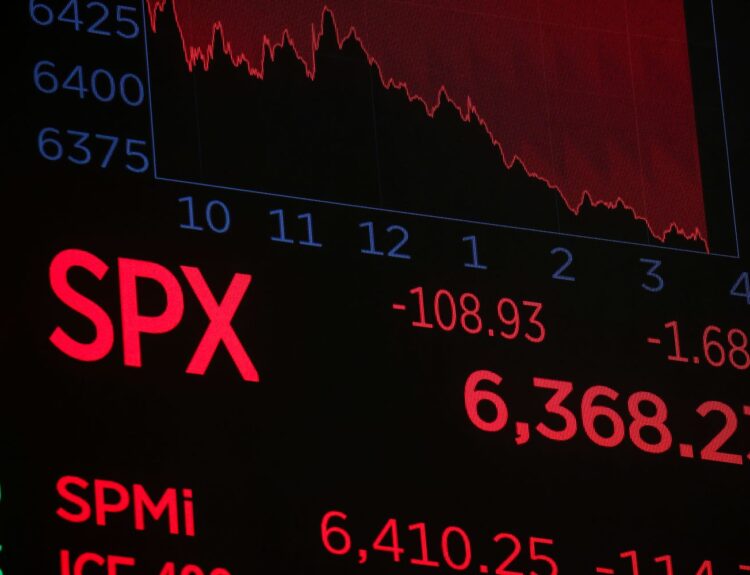
- Stocks declined
- Oil prices moved higher
- Dollar and Treasuries showed mixed moves
Reports of explosions near Iran’s key oil export hub added to the pressure, reminding markets how quickly conditions can escalate.
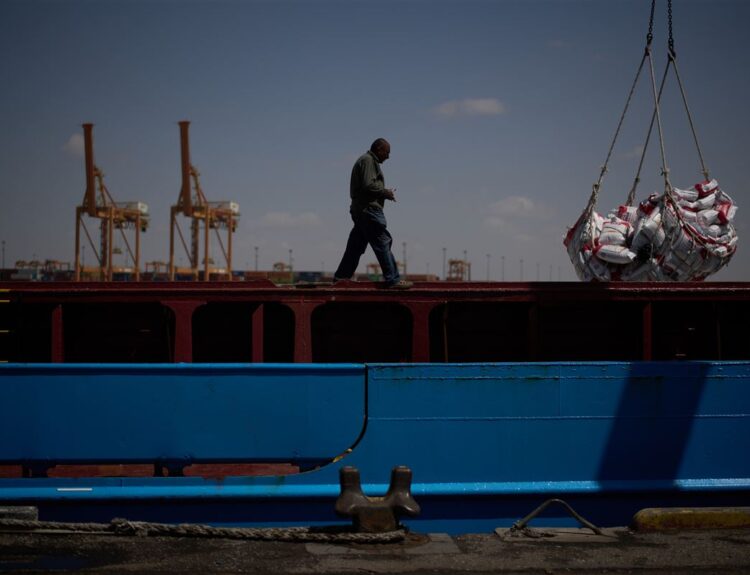
The Strait of Hormuz remains central
At the heart of negotiations is the Strait of Hormuz, a critical artery for global energy supply. Trump has made clear that:
- Reopening the strait is a priority
- Freedom of navigation is a key condition for any deal
But his messaging has shifted in recent weeks, adding to confusion.
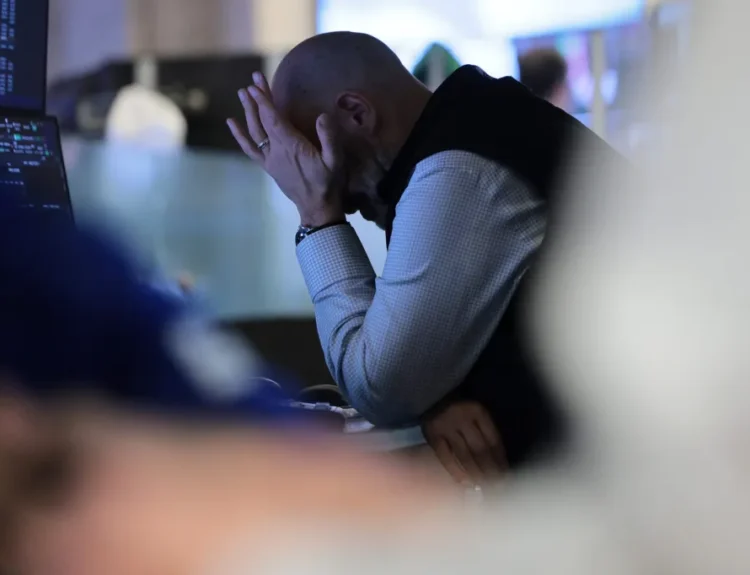
Frustration grows among traders
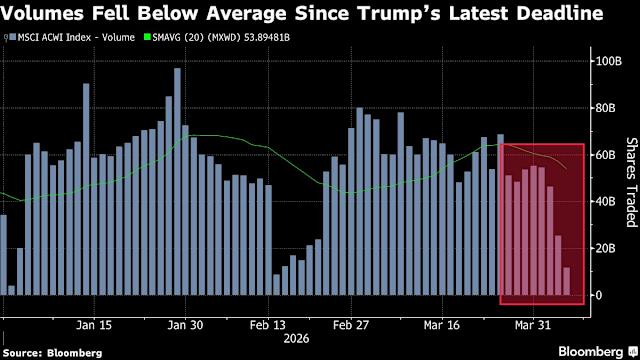
Perhaps the most important shift is psychological. After multiple deadlines and reversals, investors are becoming skeptical.
Some now view Trump’s approach as:
- Repeated deadline extensions
- Frequent policy changes
- Limited clarity on final objectives
This has led to comparisons with a “boy who cried wolf” scenario, where markets react less aggressively to each new threat.
The “pain trade” is higher
Despite caution, some strategists warn that markets may be positioned the wrong way.
Right now:
- Many investors are defensive or hedged
- Positioning assumes continued uncertainty
That creates a risk: If positive news emerges, markets could move sharply higher, as traders rush to reposition.
Dollar strength signals fear
One clear trend has been the strength of the US dollar.
- The dollar has gained around 2% since the conflict began
- Investors are using it as a safe haven and liquidity tool
Until there is clarity, analysts expect: The dollar to remain supported by uncertainty.
What markets are really waiting for
Despite all the positioning and hedging, the reality is simple: Traders are waiting for clarity.
Right now, the market is not pricing in a major escalation or a clear resolution. Instead, it expects more of the same: Limited strikes, Ongoing tension, Continued uncertainty
Everything hinges on what comes next.
- Will there be a ceasefire and reopening of the strait?
- Or will tensions escalate further?
Until that answer arrives, markets will remain stuck in a loop of: Volatility, hesitation, and rapid reaction to headlines.
Disclosure: This article does not represent investment advice. The content and materials featured on this page are for educational purposes only.
Related: Trump Says US Is ‘Independent’ From Middle East, Markets Say Otherwise