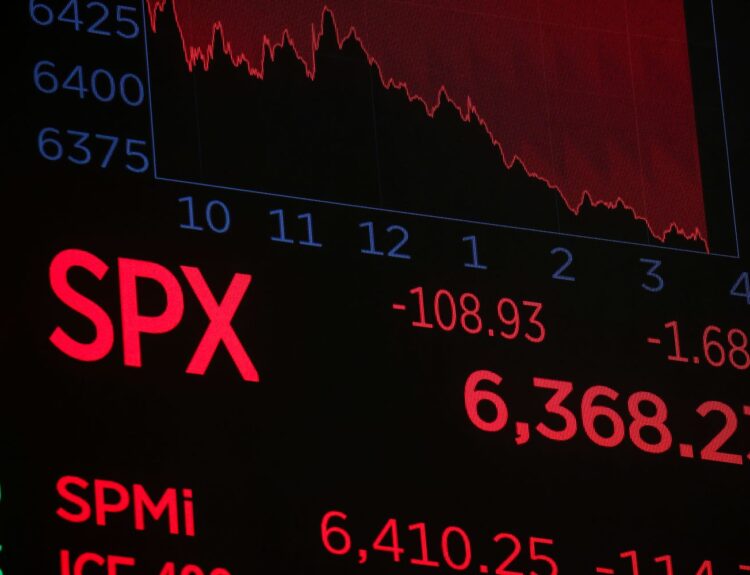

Q1 2026 began with record highs, but the economic picture has become more uncertain as the Iran war adds new pressure to an already fragile environment.
At the start of the year, markets were confident. Inflation was easing, the job market looked stable, and investors expected the Federal Reserve to begin cutting interest rates. But within a few months, that confidence started to fade
Now, the key question is no longer about growth, it is about risk.
Where the US Economy Stands Right Now
Let’s start with the most important point. The US is not in a recession today.
Economists define a recession as a broad and sustained decline across the economy. That means multiple areas need to weaken at the same time, including: Employment, Consumer spending, Business activity, Income growth
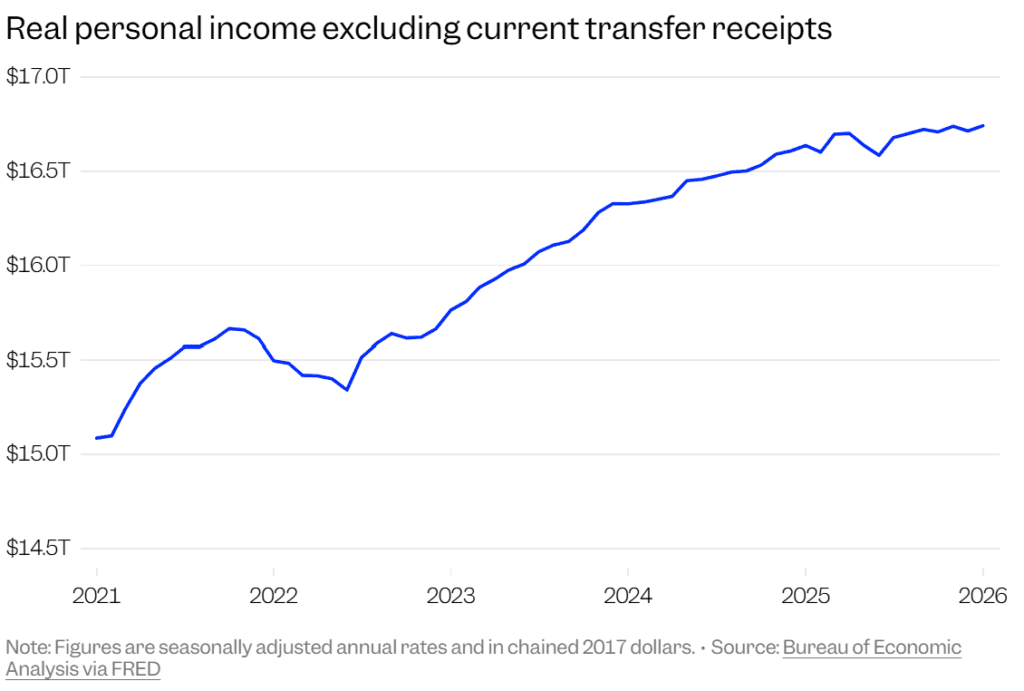
Right now, that is not happening. The data shows a slowing economy, not a collapsing one:
- Consumers are still spending money
- Businesses are still operating normally
- Job losses are not widespread
However, the economy was already losing some momentum before the Iran war began. Growth was becoming more fragile, and now new risks are being added on top.

How the Iran War Is Affecting the Economy
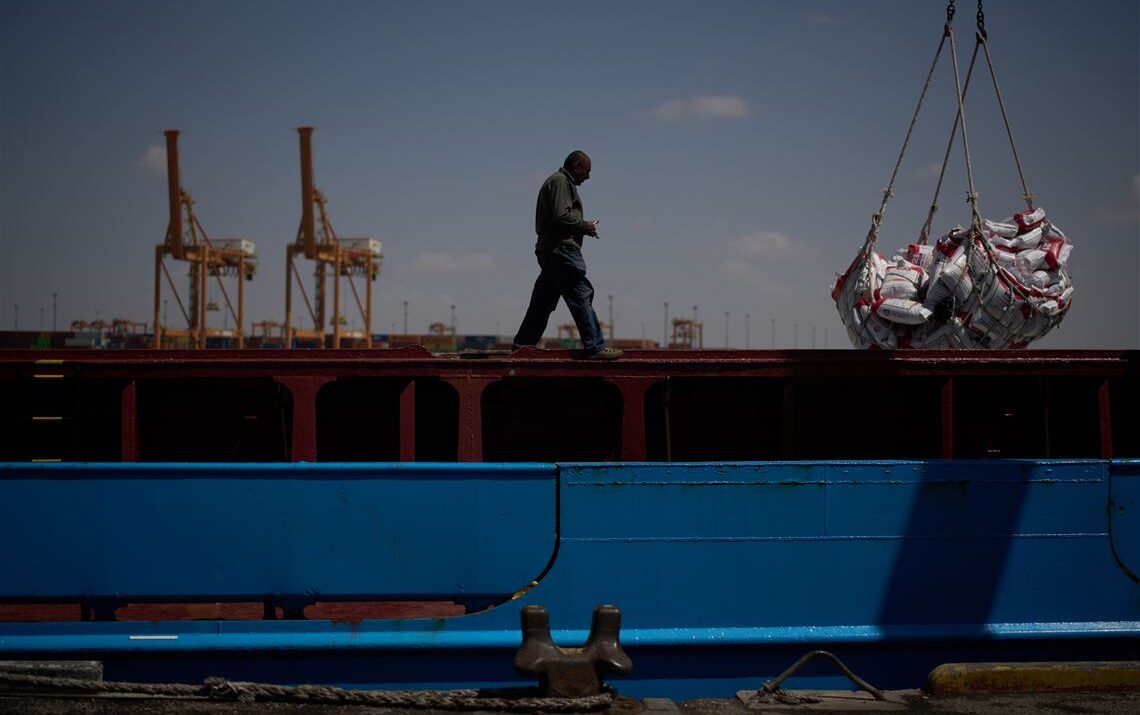
The biggest impact of the war comes through energy markets. When tensions rise in the Middle East, especially around the Strait of Hormuz, oil supply becomes uncertain. This leads to higher oil prices, which quickly affect everyday life.
Here is how that impact spreads step by step:
- Oil prices increase
- Gasoline becomes more expensive
- Transportation costs rise (trucks, planes, shipping)
- Businesses pass those costs to consumers
- Prices of goods and food go up
This is how a geopolitical conflict turns into inflation pressure inside the economy.
Why Inflation Matters So Much Right Now
Inflation is critical because it directly affects what the Federal Reserve can do. If inflation rises again:
- The Fed cannot cut interest rates
- The Fed may even need to raise rates
Higher interest rates make borrowing more expensive, which slows down:
- Business investment
- Consumer spending
- Housing activity
This is where the real risk begins.
Recession Risk: What Economists Are Saying
Economists are not saying a recession is certain. But they are saying the risk is increasing. Some estimates suggest the chance of a recession in the next 12 months is now close to 50%.
What would actually trigger it? It usually comes down to a chain reaction:
- Oil stays high for a long time
- Inflation increases again
- The Fed stays restrictive or tightens policy
- Economic growth slows further
- Businesses reduce hiring or start layoffs
When these factors combine, the economy can shift from slowing to contracting.
The Job Market: Strong, But Not Perfect
The labor market is one of the most important indicators, and right now it is sending mixed signals. On one hand:
- Unemployment is still relatively low
- Layoffs are not widespread
On the other hand:
- Hiring has slowed
- Job growth is weaker than before
- Long-term unemployment is slowly increasing
Economists describe the job market as stable but weakening. This matters because the job market often determines whether a slowdown turns into a recession. If people lose jobs, they spend less, and that affects the entire economy.

Why People Already Feel the Pressure
Even without a recession, many people feel like the economy is not in a good place. That is because:
- Prices are still high
- Energy costs are rising again
- Wage growth is uneven
Consumer sentiment has declined, meaning people feel less confident about the future.
And this is important. If people start to worry, they may:
- Spend less money
- Delay big purchases
- Save more instead of investing
That behavior alone can slow the economy further.
What Will Decide the Outcome
At this point, the future depends on a few key factors. The most important ones to watch are:
- Oil prices → Do they stabilize or keep rising?
- Length of the war → Short conflict or prolonged disruption?
- Fed policy → Rate cuts, pause, or hikes?
- Job market → Stable or weakening further?
Each of these can push the economy in a different direction.
The US economy is not in a recession right now, but it is in a more fragile position than it was at the start of the year. The Iran war has added a new layer of uncertainty by:
- Pushing energy prices higher
- Increasing inflation risks
- Limiting the Fed’s ability to support growth
If these pressures continue, the risk of a recession will increase. For now, the economy is holding up. But the margin for stability is getting thinner, and the next few months will be critical.
Disclosure: This article does not represent investment advice. The content and materials featured on this page are for educational purposes only.