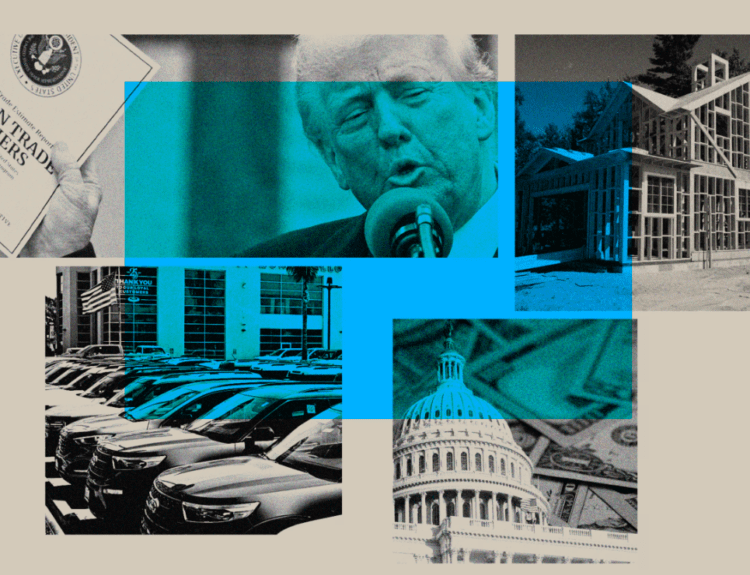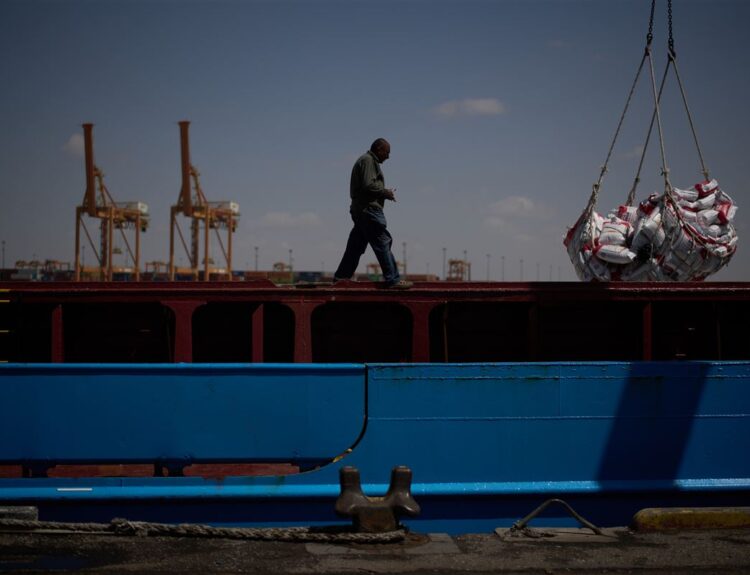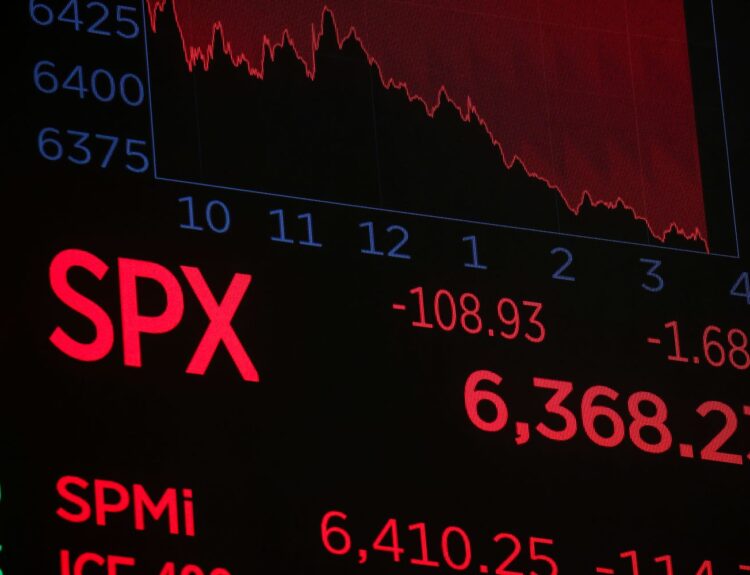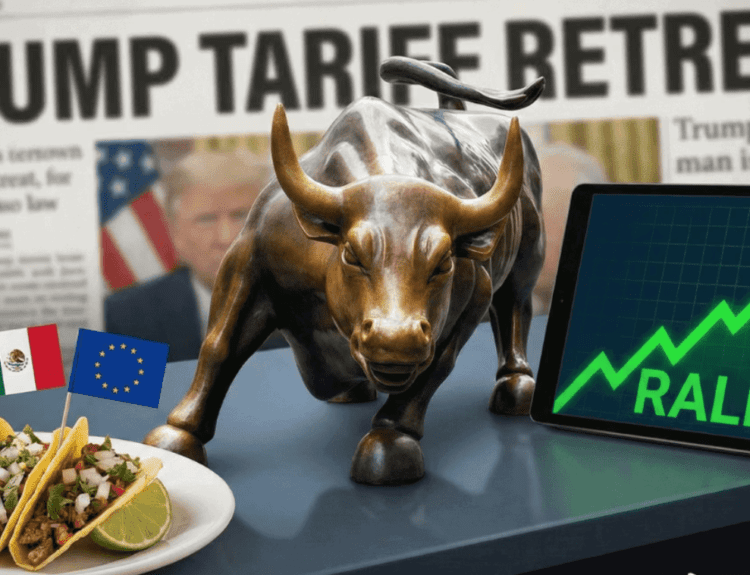

A landmark court decision striking down Trump-era tariffs has opened the door to massive refunds for companies, but the path to getting that money back is complex, slow, and legally uncertain.
Businesses across industries are now racing to understand how to recover tariffs they paid under emergency powers that the Supreme Court ruled unlawful. While the decision invalidated many of those duties, it did not outline a formal refund process, leaving companies to rely on existing administrative and legal channels.
What Changed
The Supreme Court ruled that tariffs imposed under the International Emergency Economic Powers Act exceeded presidential authority because the law does not permit a president to impose sweeping tariffs without Congress. That decision effectively voided many of the duties collected over the past year and sent the issue back to lower courts to determine next steps.
Estimates suggest $150 billion to $200 billion in tariffs could be eligible for refunds, according to analyses from policy groups and major banks. That potential payout is enormous, and it immediately triggered legal and operational questions across corporate America.
How Companies Can Request Refunds
Legal experts say firms must act proactively rather than wait for government guidance. The main routes include:
- Administrative corrections through Customs and Border Protection for recent imports.
- Formal protests for older tariff payments filed within statutory deadlines.
- Court appeals in the US Court of International Trade if claims are denied.
Trade attorneys say importers should begin reviewing past filings now to identify which payments qualify. Missing deadlines could permanently block recovery.
Why the Process Could Be Slow
Even if refunds are approved, companies may wait months or longer to receive them. The reason is simple: the system was not designed for claims on this scale.
Customs brokers and compliance teams are already stretched handling daily filings and shifting trade rules. A sudden surge of refund requests from thousands of importers could overwhelm administrative systems and delay processing.
More about: 6 Questions on the Future of Trump’s Tariffs
One trade specialist warned that firms that underestimate the workload risk financial reporting delays or compliance mistakes, especially if they request refunds on incorrect tariff classifications.

Legal Battles Already Underway
More than 1,000 lawsuits have already been filed in trade court by companies seeking reimbursement. The outcome of those cases will likely shape how refunds are handled nationwide.
Attorneys say lower-court rulings and potential guidance from customs authorities will determine whether companies must individually pursue claims or if a broader refund framework emerges.
Government Reaction
Officials have signaled that refunds, if required, would take time. Treasury leaders say payments would likely be distributed gradually rather than all at once. Meanwhile, political tensions remain high, with criticism of the ruling and warnings that the issue could be tied up in litigation for years.
Why It Matters for Businesses
For companies that paid large tariffs, the ruling could represent a major financial opportunity. But recovering that money will require careful analysis, legal filings, and patience.
The court decision removed the tariffs, but it did not automatically return the cash. Firms that want refunds must take action, follow strict procedures, and prepare for a long process before any payments arrive.
Disclosure: This article does not represent investment advice. The content and materials featured on this page are for educational purposes only.