
The Fed is under pressure, but cutting interest rates now could signal deeper economic trouble as inflation risks rise.
The Federal Reserve held rates steady this week, and analysts say that may be the best-case scenario for markets right now.
Why a Rate Cut Could Be Bad News
Normally, lower rates help support the economy. But in the current environment, a rate cut could send the wrong signal.
- It may indicate the economy is in serious distress
- It could fuel inflation further, especially with rising energy costs
- It risks repeating past policy mistakes during supply shocks
Recent data already shows signs of weakness:
- Job growth has slowed
- Economic growth remains fragile
- Inflation is still above target
War and Oil Are Changing Everything
The war involving Iran is now a major factor shaping policy decisions.
Energy prices have surged sharply:
- Oil prices are up over 45% this month
- Gasoline and LNG costs are rising
- Fertilizer and other commodities are becoming more expensive
These increases are expected to spread across the global economy, raising costs for businesses and consumers.
Powell: “Nobody Knows”
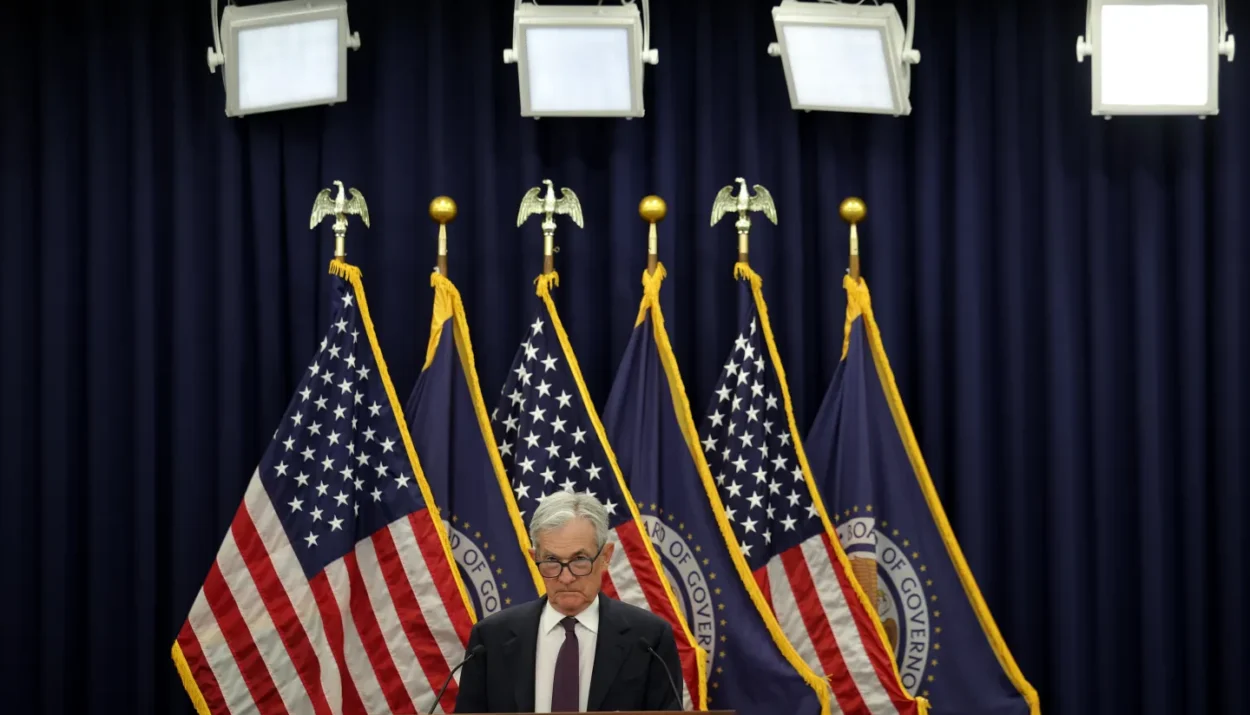
Fed Chair Jerome Powell acknowledged the uncertainty around the situation.
“The thing I really want to emphasize is that nobody knows,” Powell said, referring to how the war and energy shock could impact inflation.
The Fed’s Dilemma
The central bank is stuck between two risks:
- Cut rates → could worsen inflation
- Hold rates high → could slow growth further
For now, the Fed is signaling patience, projecting just one possible rate cut later in 2026.
Markets may hope for rate cuts, but in today’s environment, that may not be good news. With inflation rising and global uncertainty increasing, the Fed’s safest strategy may be simple:
Wait, watch, and do nothing, at least for now.
Related:
Disclosure: This article does not represent investment advice. The content and materials featured on this page are for educational purposes only.