While AI, crypto volatility, and mega-cap tech stocks dominated headlines in 2025, a very different story unfolded beneath the surface. Traditional, diversified Wall Street strategies delivered some of their strongest returns in years, even as investor attention remained firmly locked on AI-linked opportunities.
Balanced portfolios, including classic stock-and-bond allocations, posted double-digit gains, marking their best year since 2019. Multi-asset strategies combining equities, bonds, commodities, and international exposure quietly outperformed headline indices like the S&P 500.
And yet, most investors barely noticed.
“2025 was not a stocks story. It was about global diversification,” strategists said, highlighting how performance diverged from popular market narratives.
Diversification Worked When Markets Turned Volatile
Periods of market stress exposed the strength of balanced strategies. A softer-than-expected inflation print triggered a rare rally in both stocks and bonds, exactly the type of environment diversified portfolios are designed for.
Risk-parity funds, which allocate based on risk rather than asset class, benefited as bond yields fell and equities rose simultaneously. Several global multi-asset ETFs recorded their best annual performance on record, driven by overseas equities and commodities rather than US mega-caps.
Capital Still Chased Concentration
Despite these results, investor money flowed in the opposite direction.
Capital continued pouring into:
- Big Tech and AI-linked stocks
- Narrow thematic trades like quantum computing and nuclear energy
- Blunt hedges such as gold and crypto
Strategists warn that this growing market concentration increases downside risk if leadership shifts.
“The danger isn’t what you own, but what you don’t own when leadership changes,” one strategist noted.
Retail Investors Remain Scarred by the Bond Rout
Retail investors have been especially slow to return to balanced strategies. According to JPMorgan, traditional blended portfolios saw outflows for 13 consecutive quarters, largely due to lingering distrust of bonds after the 2022 bond market rout.
That year, aggressive rate hikes caused bonds to fall alongside stocks, breaking long-held assumptions.
“That episode destroyed confidence in bonds as a stabilizer,” market veterans said.
Even as bonds regained their defensive role in 2025, many investors continued rotating from theme to theme instead of rebuilding diversified allocations.
Market Shocks Reinforced the Case for Balance
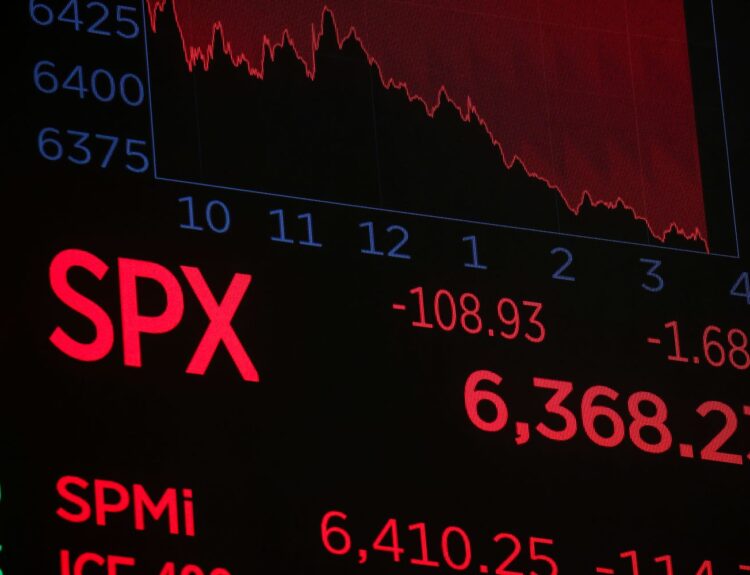
April offered another reminder. After new US tariffs were announced, markets reacted sharply:
- Stocks fell
- Bonds rallied
- Gold slipped
- Bitcoin plunged before rebounding
While the headlines focused on volatility, the underlying lesson was clear. Different assets respond differently to shocks, and diversification remains one of the few reliable tools to manage uncertainty.
Signs of a Broader Shift Are Emerging
Despite the AI obsession, market leadership quietly broadened:
- Value-focused ETFs attracted more than $56 billion in inflows
- International equities rebounded on fiscal reforms and a weaker dollar
- Small-cap stocks outperformed late in the year
Some global value funds posted their strongest gains since launch, signaling a shift that many investors may already be positioning for.
Looking Ahead: Balance May Matter More in 2026
Strategists expect earnings growth to widen beyond Big Tech in 2026. Forecasts point to potential outperformance in:
- Small-cap equities
- International markets
- Municipal bonds
- Selective emerging-market debt
AI remains important, but it may no longer be the only driver.
AI dominated the conversation in 2025. Diversification dominated the returns.
Old-school Wall Street strategies may lack excitement, but in a market defined by concentration risk, valuation pressure, and policy uncertainty, their quiet resilience is becoming harder to ignore.
Sometimes, the most overlooked trade is simply balance.
Disclosure: This article does not represent investment advice. The content and materials featured on this page are for educational purposes only.
Related: Want to Know Where the Market Is Going? Don’t Trust This, or Any, Forecast.