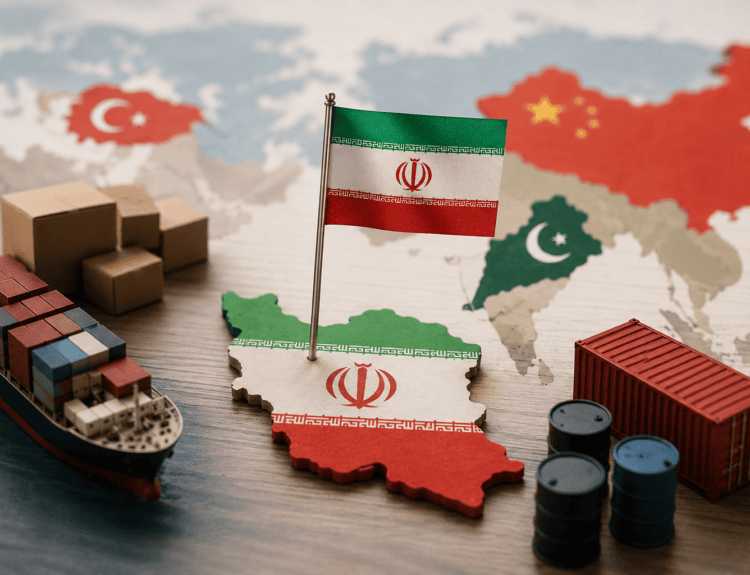


The European Central Bank is widely expected to raise interest rates as the Iran war keeps energy prices elevated and pushes inflation further above target. Eurozone inflation reached 3.3% in August, while energy inflation surged to 14.3%.
Europe Faces Another Inflation Shock
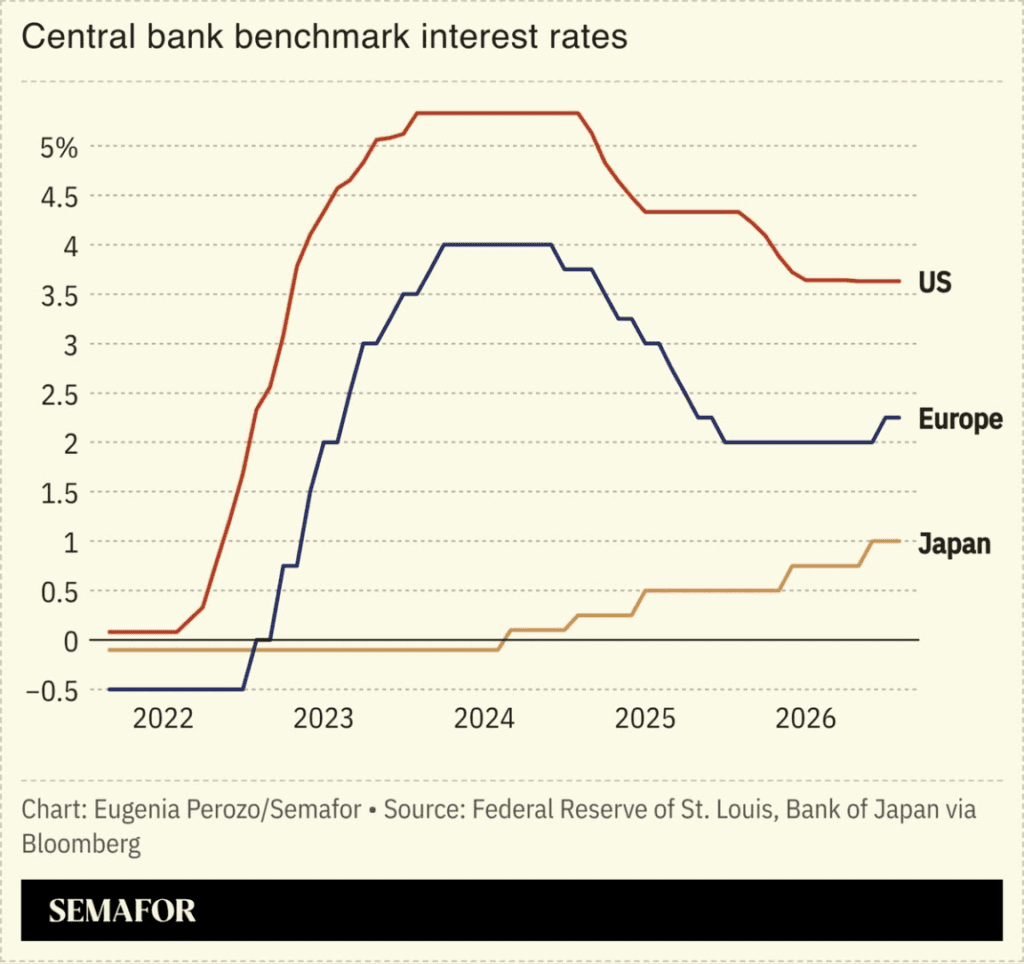
The ECB is expected to lift its key rate from 2.25% to 2.50%, its second increase since the Iran conflict began.
Oil has climbed back above $100 a barrel, while European bond yields are already near multi-year highs. That creates a difficult combination of higher inflation, expensive borrowing and weak economic growth.
Related: Trump Says Iran War Will End “immediately” After Midterms, But…
The Pressure Is Global
Europe is not alone.
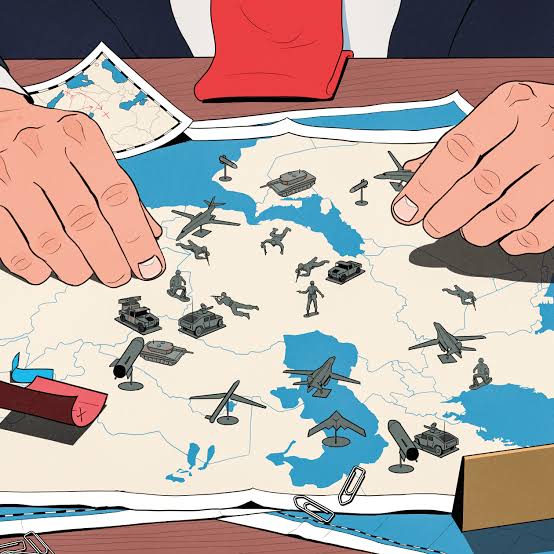
Several US military aircraft were damaged in overnight Iranian strikes on a base in Jordan, including an A-10 aircraft and around eight F-15 fighter jets, adding to concerns that the conflict could escalate further.
In Japan, the Bank of Japan is expected to raise rates to 1.25% next week, the highest level in more than 30 years, as inflation pressures increase.
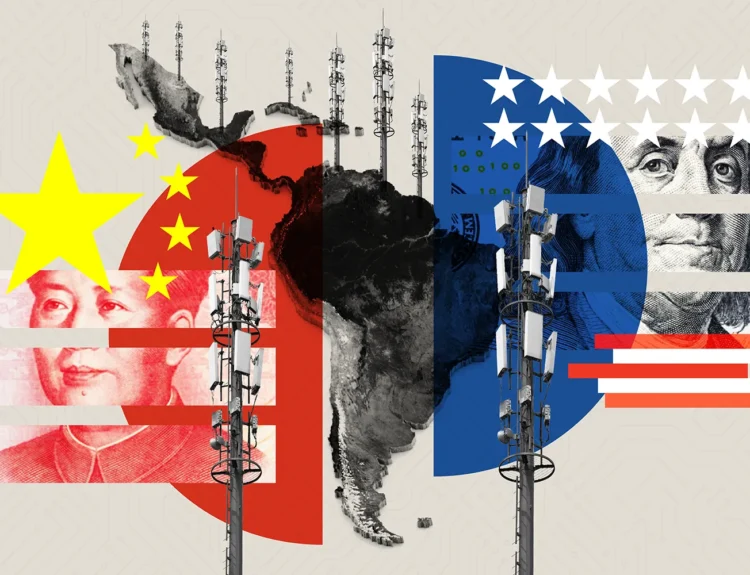
The US is also dealing with higher inflation expectations and heavy government borrowing. The gap between US and Chinese 10-year bond yields has widened to a record 3.17 percentage points, with US yields near 4.85% versus about 1.68% in China.
Investor takeaway: The Iran war is becoming a global monetary-policy problem. Higher energy prices are pushing central banks toward tighter policy just as government borrowing costs are already elevated. That could keep pressure on bonds, stocks and economic growth even if the conflict itself does not escalate further.
Disclosure: This article does not represent investment advice. The content and materials featured on this page are for educational purposes only.