
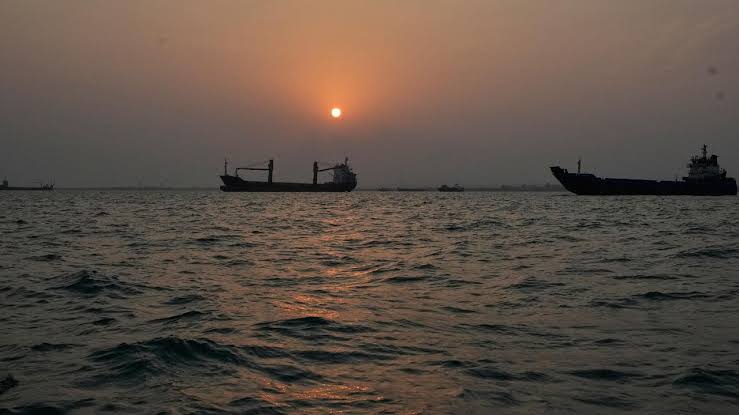

Iran says it plans to create a new “exclusion zone” near the Strait of Hormuz, adding another layer of risk to one of the world’s most important oil routes as fighting with the US intensifies.
Iran Targets Ships Trying to Cross Hormuz
The announcement came from Mohsen Rezaei, the new head of Iran’s Supreme National Security Council.
He said the zone would extend from the area of the US naval blockade toward the Strait of Hormuz and into the Persian Gulf. Ships identified as trying to pass through the area could be placed on an Iranian sanctions list.
Details remain unclear, including exactly where the zone would begin and how Iran intends to enforce it.
Related: Why Trump’s War Hasn’t Broken Iran’s Economy
US-Iran Fighting Is Escalating Again
The move follows a sharp increase in military activity.
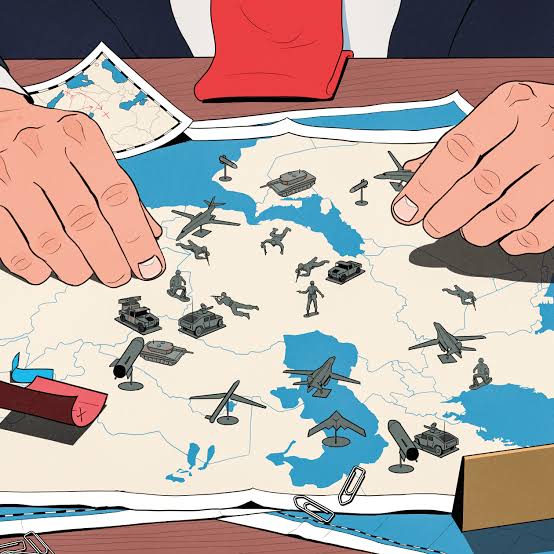
The US recently struck three Iranian oil tankers after accusing Tehran of targeting American warships. Iran has also launched missiles toward US forces and continued attacks around commercial shipping routes.
The US says more than 20 warships are supporting its blockade, which had redirected 92 commercial ships and disabled three as of Sunday.
Oil Markets Are Watching Hormuz Closely
The Strait of Hormuz remains the biggest market risk because it is a key route for global oil and LNG exports.
US Energy Secretary Chris Wright said around 9 million barrels of oil per day are still moving through the strait, although flows remain below pre-war levels and depend heavily on US naval protection.
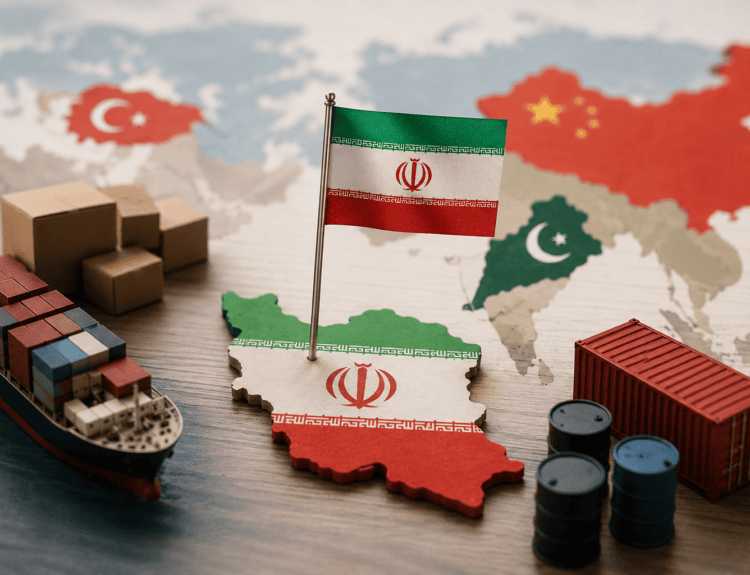
Iran, meanwhile, claims it is still selling around 1 million to 1.5 million barrels per day, despite the blockade and sanctions.
Investor takeaway: Iran’s planned exclusion zone raises the risk of another escalation around Hormuz. If shipping continues, oil prices may remain manageable. But any serious disruption to tanker traffic could quickly push crude prices, inflation and global market volatility higher.
Disclosure: This article does not represent investment advice. The content and materials featured on this page are for educational purposes only.
Related: Who does Iran trade with, and what could Trump’s ‘economic D-Day’ mean?