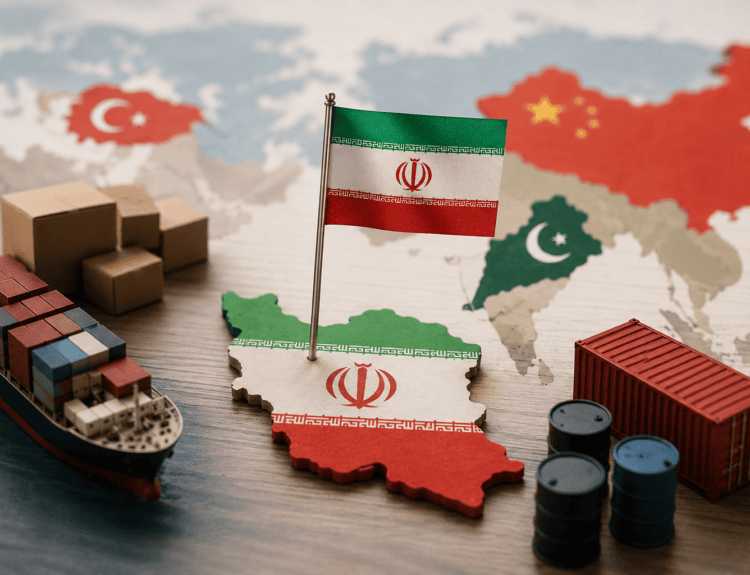

Oil traded near a five-week high after renewed fighting between the US and Iran brought fresh concerns about energy flows through the Strait of Hormuz.
Brent crude traded just below $95 a barrel after jumping 4.6% in the previous session, while WTI stayed near $90. Brent had settled at its highest level since July 24.
US-Iran Fighting Returns
The US carried out a second day of strikes on Iran, while Tehran retaliated against Jordan, Bahrain and Kuwait, all of which host American forces.
The US also reportedly struck two Iranian government vessels as part of a new “tanker-for-tanker” policy designed to discourage attacks on ships moving through Hormuz.
The renewed escalation follows several quieter weeks, when Washington appeared to be shifting from military action toward stronger economic pressure.
Hormuz Remains the Biggest Oil Risk
Before the war, around one-fifth of global oil and LNG supplies passed through the Strait of Hormuz.
US officials said about 17 million barrels of crude moved through Hormuz on Monday, while average exports through the waterway are running closer to 8 million barrels a day. Another 4 million to 5 million barrels a day are bypassing the strait through pipelines.
That means oil is still flowing, but markets continue to price in the risk of a larger disruption.
Oil Is Still 30% Higher Since the War Began
Crude prices are now roughly 30% higher than when the conflict began in late February, while refined products such as diesel have risen even more.
US crude inventories also fell by 2.6 million barrels last week, according to industry data. If confirmed by official figures, it would be the first weekly decline in five weeks.
Investor takeaway: Oil markets remain highly sensitive to the US-Iran conflict. As long as shipping through Hormuz continues, prices may stay below extreme levels, but any serious disruption could quickly push crude higher and add more pressure to inflation and global markets.
Related: The US and Venezuela: What the New Oil Deal Means for Global Energy