
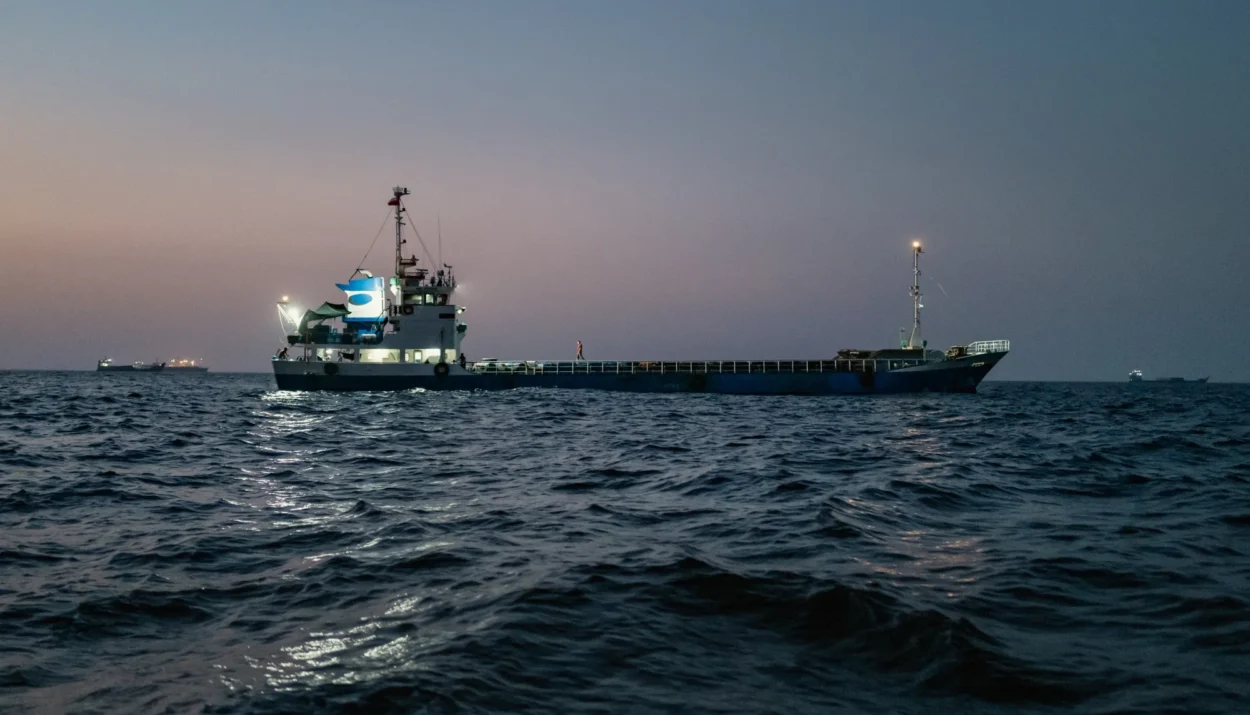

Despite the war and sharply higher shipping costs, crude oil is still quietly moving through the Strait of Hormuz, according to TotalEnergies CEO Patrick Pouyanné.
The reason is simple: producers including Iraq are offering huge discounts to convince buyers to take the risk. Iraqi Basrah crude has recently been offered at discounts of roughly $25 to $30 per barrel, enough to offset much of the additional cost of shipping through Hormuz.
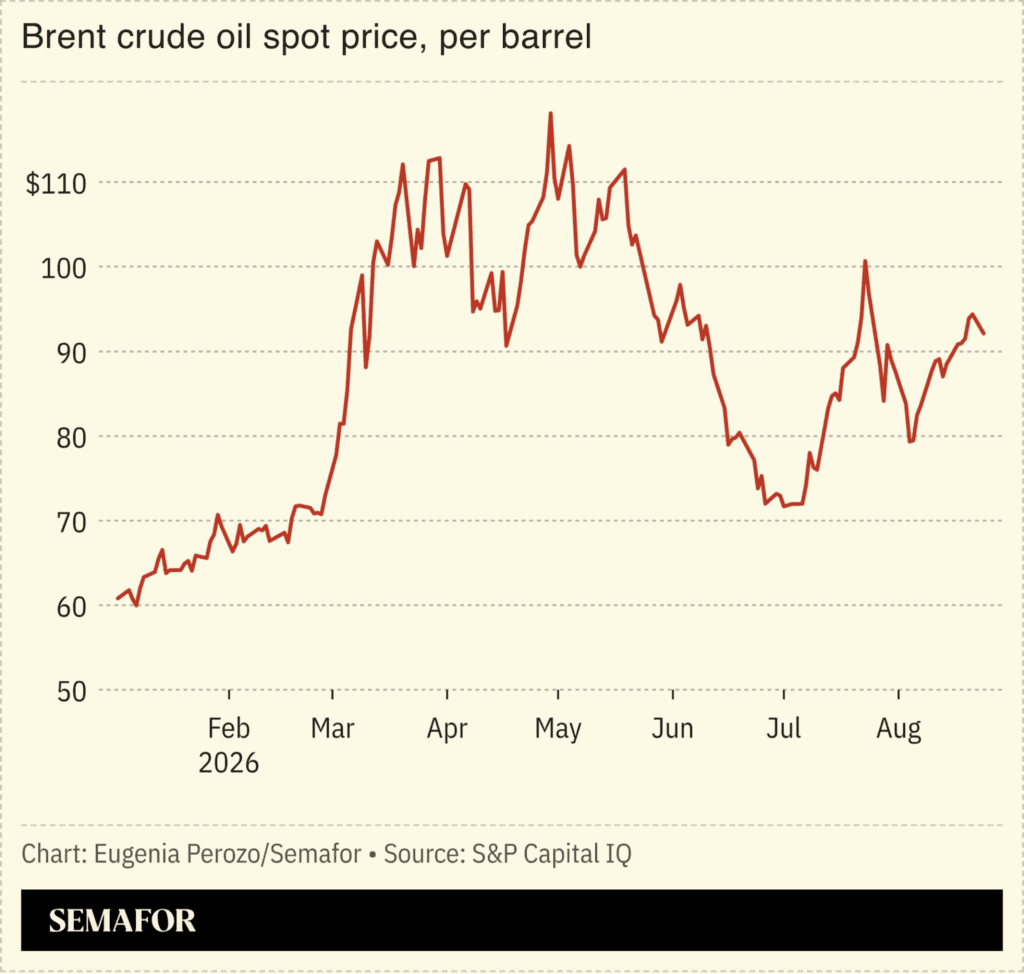
Pouyanné said transporting a large tanker through the strait can cost around $20 million, or roughly $10 per barrel for a 2-million-barrel shipment. With discounted crude available around $50 to $60 per barrel, compared with Brent above $90 at the time, the trade can still be profitable.
The situation is different for gasoline, diesel and other refined fuels. These products travel on smaller ships, pushing additional transport costs toward $50 per barrel, making many shipments uneconomic. That has created an unusual market where crude supply is relatively better supported while refined fuels remain much tighter.
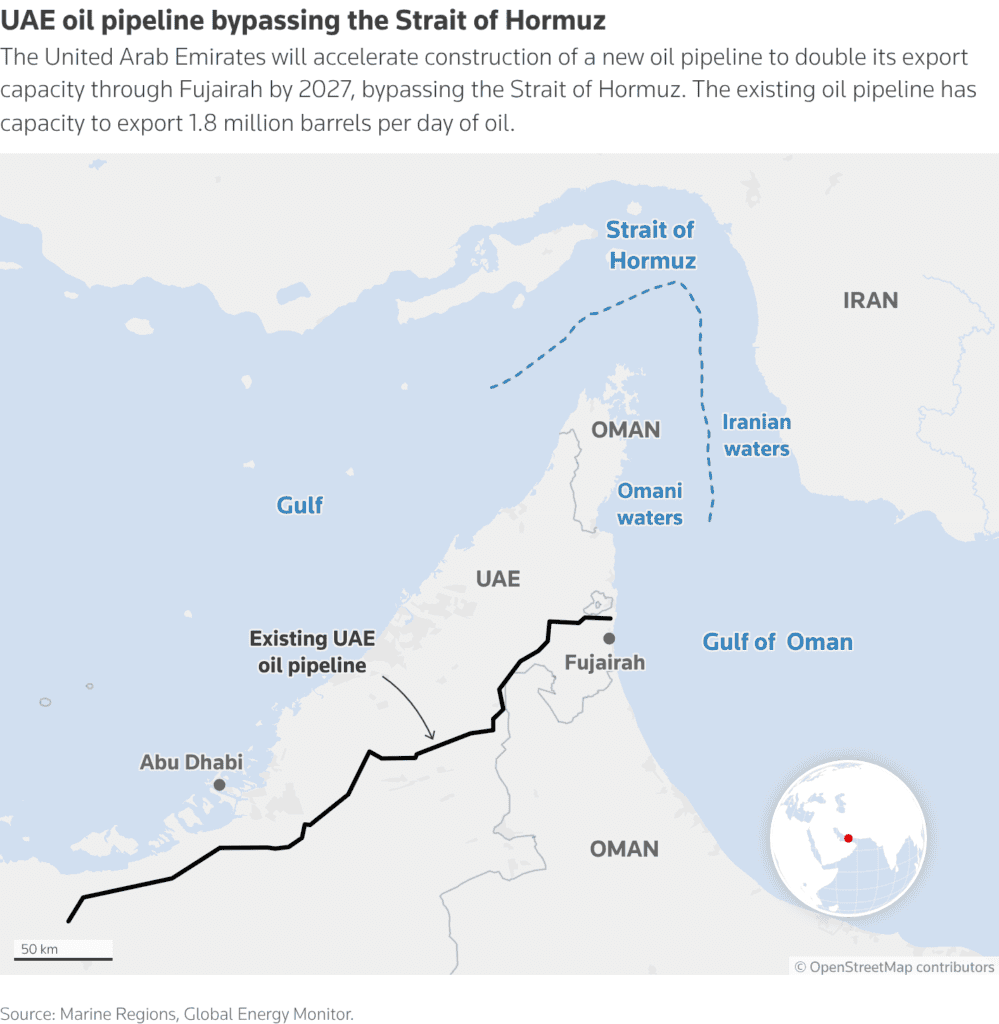
Meanwhile, TotalEnergies is preparing for a future less dependent on Hormuz. The company plans to invest in expanding the Habshan-Fujairah pipeline in the UAE, potentially doubling its current 1.8 million barrels-per-day capacity, while also backing another route from Iraq toward Syria.
Investor takeaway: Hormuz has not completely stopped Middle Eastern crude exports, but getting oil through has become much more expensive. Deep producer discounts are keeping crude moving for now, while shortages of refined fuels and the push for alternative pipelines show how dramatically the war is reshaping regional oil trade.
Disclosure: This article does not represent investment advice. The content and materials featured on this page are for educational purposes only.