
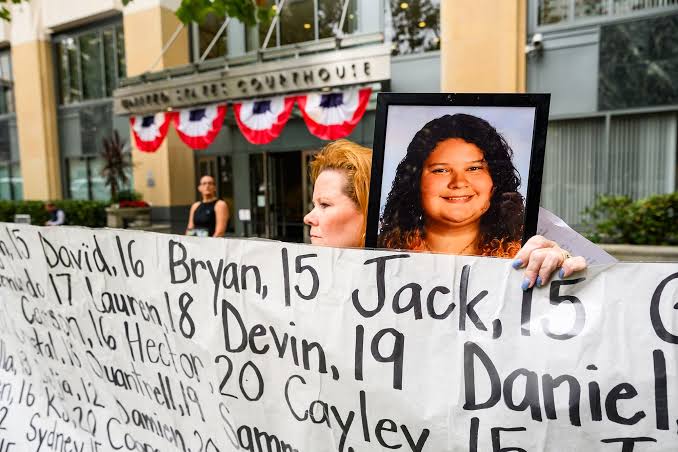

Meta has agreed to pay about $18 billion to resolve a major legal battle over allegations that Facebook and Instagram were intentionally designed with addictive features that harmed children and teenagers. Meta did not admit wrongdoing.
Just over $17 billion will settle claims originally brought by 29 US states, with additional agreements covering other states and territories. The settlement ends a closely watched California trial where several states had been seeking as much as $1.4 trillion in damages.
The agreement also forces significant changes to how teenagers use Meta’s platforms:
- Users aged 13 to 17 will have a two-hour daily limit, which only parents can change.
- Facebook and Instagram will be blocked for teens from midnight to 6 a.m. by default.
- Notifications will be reduced during school hours.
- Likes and reactions will be hidden by default, while extreme makeup filters will be blocked for minors.
- Meta will strengthen technology designed to identify teenagers who provide a false age.
The financial impact will be spread out. Meta plans to pay 70% of the settlement over the next decade, while the remaining 30% depends on YouTube and TikTok agreeing to similar protections and payments.
The case is not the end of Meta’s legal problems. The company still faces hundreds of lawsuits from individuals, families and school districts over allegations that its platforms contributed to social media addiction and mental health problems among young people.
Investor takeaway: The nearly $18 billion payment is significant, but the bigger long-term issue for Meta could be the new restrictions themselves. Limiting how much time teenagers spend on Facebook and Instagram could eventually affect engagement and advertising revenue, while similar rules could spread across the wider social media industry.
Disclosure: This article does not represent investment advice. The content and materials featured on this page are for educational purposes only.