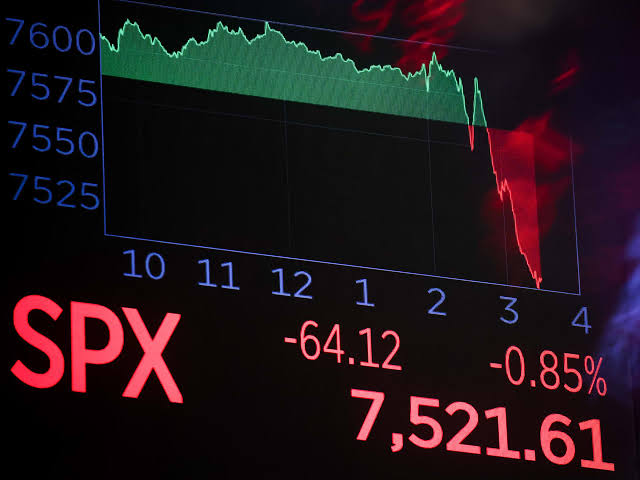



The S&P 500 and MSCI World Index reached fresh highs, but investor positioning suggests confidence in the rally remains relatively weak.
A surprisingly soft US jobs report helped stocks last week. Payrolls unexpectedly fell by 23,000, labor-force participation declined again and job openings weakened. The unemployment rate still slipped to 4.1%, creating a mixed picture for the Federal Reserve.
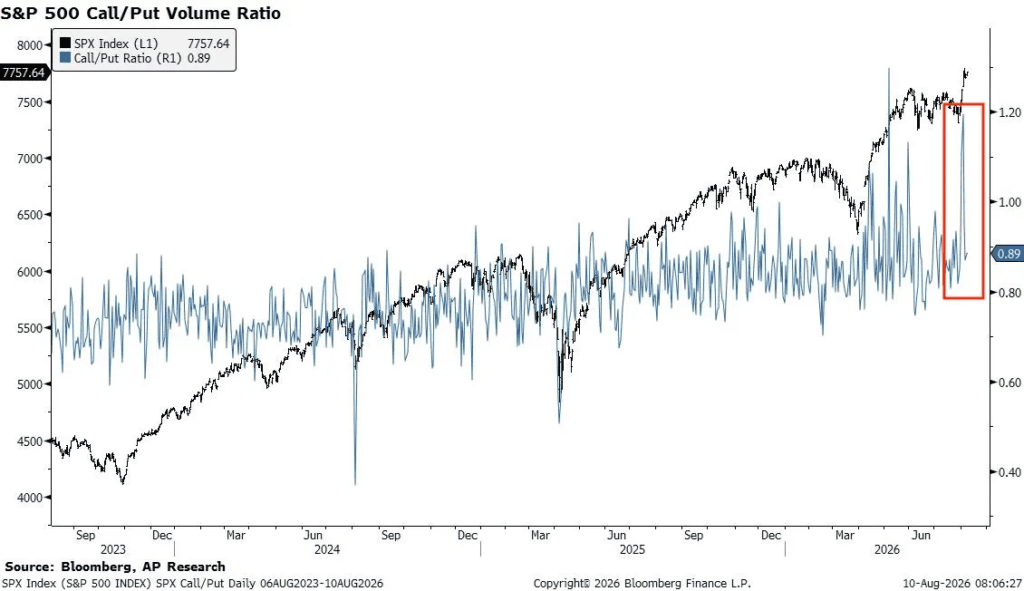
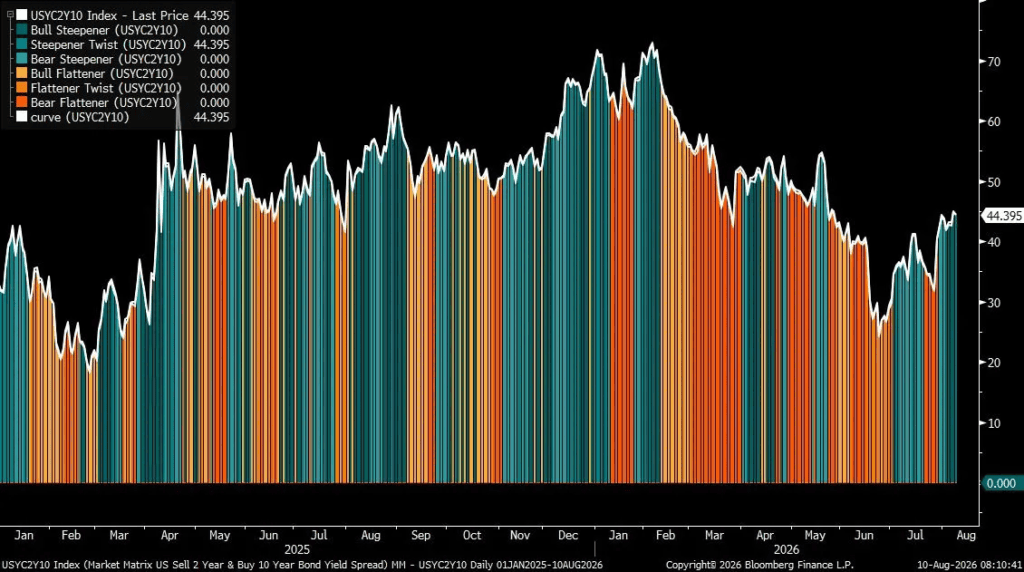
The weaker labor data significantly changed interest-rate expectations. Markets pushed expectations for the Fed’s next rate increase from October to December, while a second hike in 2027 is no longer priced in. Just weeks earlier, traders saw around a 40% chance of a July hike. The shift also pushed the dollar lower and supported equities and gold.
AI Stocks Remain the Big Question
Semiconductors have rebounded roughly 20% from their recent lows, but valuations remain demanding. UBS noted that current chip valuations assume unusually strong profitability will continue, even though historically fewer than 20% of companies reaching similar return levels have managed to sustain them.
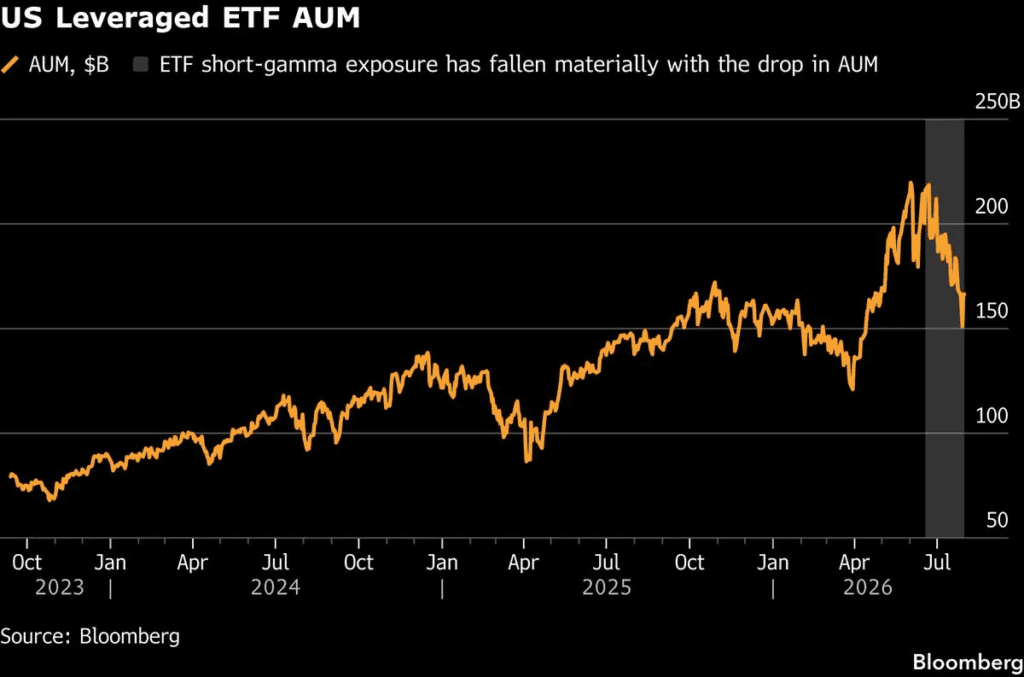
Meanwhile, leveraged ETF activity has cooled. Their estimated short-gamma exposure has dropped from more than $9 billion per 1% market move to around $6.5 billion. Leveraged US ETFs also sold roughly $150 billion of equity exposure from early June through July 29 as investors reduced leverage.
Software stocks have been particularly weak and have fallen to their cheapest relative value levels since the 2022 tech selloff. However, Q2 earnings have so far provided little evidence that AI disruption is seriously damaging companies’ profits.
Investor takeaway: Stocks are making new highs and weaker employment data has reduced pressure from rising rates. But expensive AI stocks, lower leverage and continued volatility show that investors are still not fully committed to the rally.
Related: S&P 500 Bull Market Looks Strong, but Volatility Risk Is Building