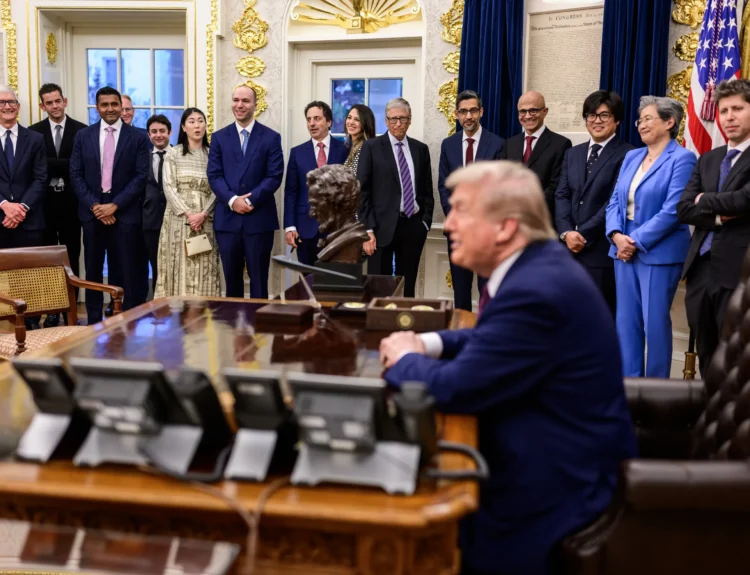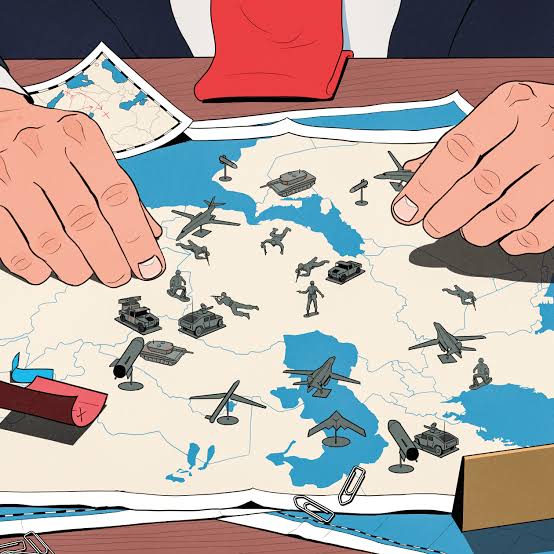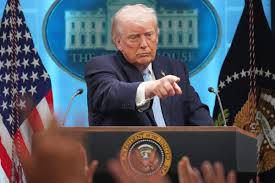

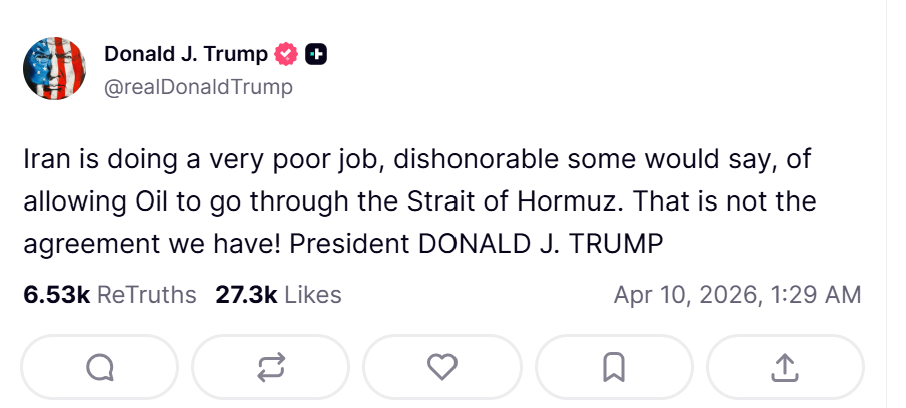
President Donald Trump accused Iran of failing to reopen the Strait of Hormuz, saying Tehran is doing a “very poor job” of allowing oil shipments to pass.
The reopening of Hormuz was the key US condition for stopping nearly five weeks of strikes on Iran. But so far, hundreds of vessels remain stuck, and the ceasefire has had little real impact on shipping.
Violence continues despite the deal
The situation is quickly deteriorating. Iran closed the strait again after Israeli airstrikes on Beirut killed more than 300 people, claiming the attacks violated the agreement.
Since then:
- Israeli strikes have continued in southern Lebanon
- Hezbollah attacks on Israel have resumed
- Drone strikes in Kuwait targeted “vital facilities”
Kuwait blamed Iran and its allies, while Iran denied involvement.
Talks planned, but conditions remain
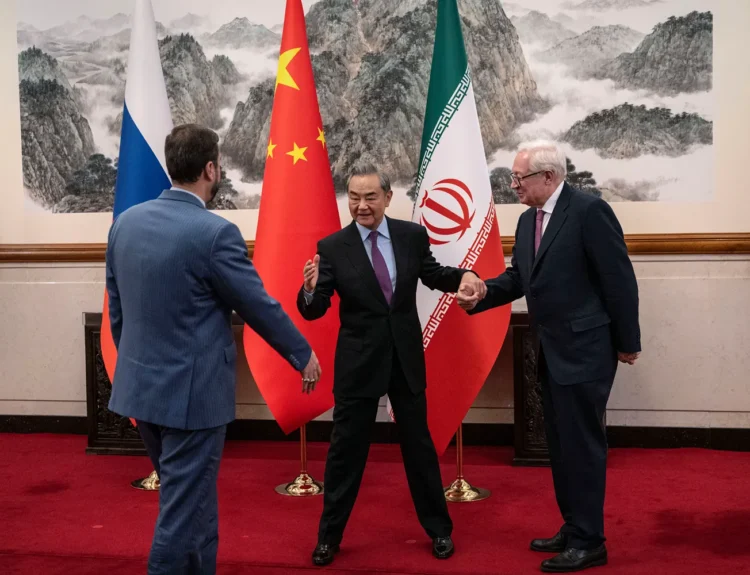
Diplomatic talks between the US and Iran are set to begin in Islamabad, with Vice President JD Vance leading the US side. He signaled openness but also warned: If Iran negotiates in good faith, talks can move forward. If not, the US won’t be receptive.
Iran, meanwhile, is demanding a Lebanon ceasefire and release of blocked assets before fully engaging.
What it means: The ceasefire exists, but it’s fragile.
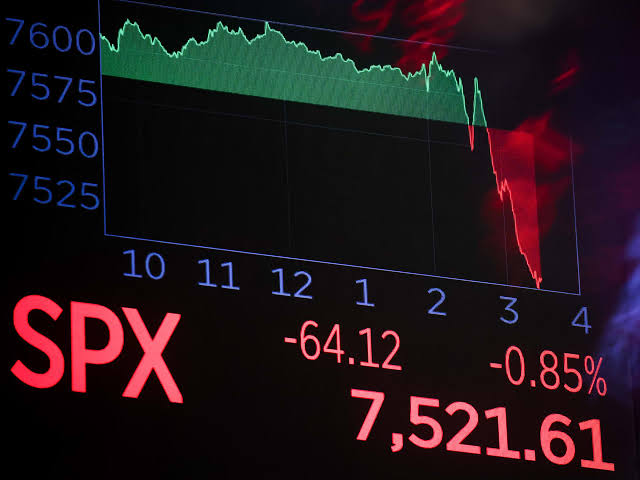
With Hormuz still restricted, ongoing strikes, and rising mistrust, the risk of escalation remains high. And for markets, the message is clear: As long as the strait isn’t fully open, oil and inflation risks aren’t going away.
Disclosure: This article does not represent investment advice. The content and materials featured on this page are for educational purposes only.
Related: Trump says Iran has ‘no cards’ beyond Hormuz control