
As tensions around Iran and the Strait of Hormuz intensify, rising oil prices and supply risks are exposing the global reality behind Trump’s energy claims.
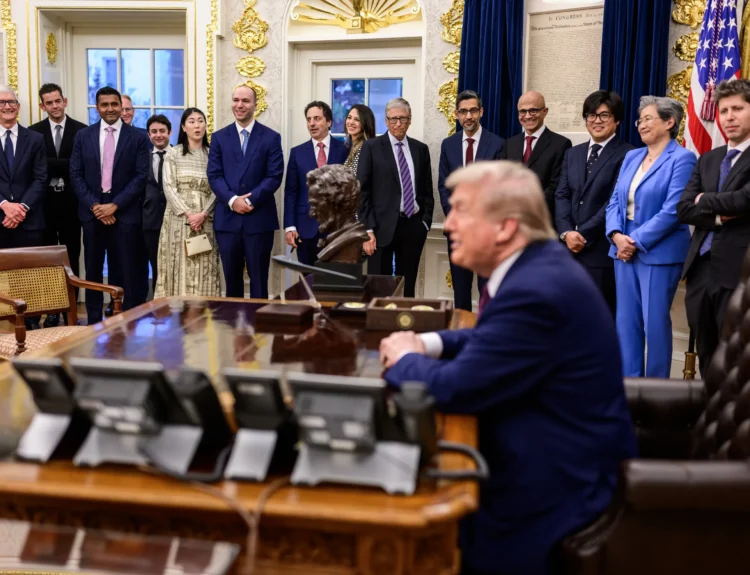
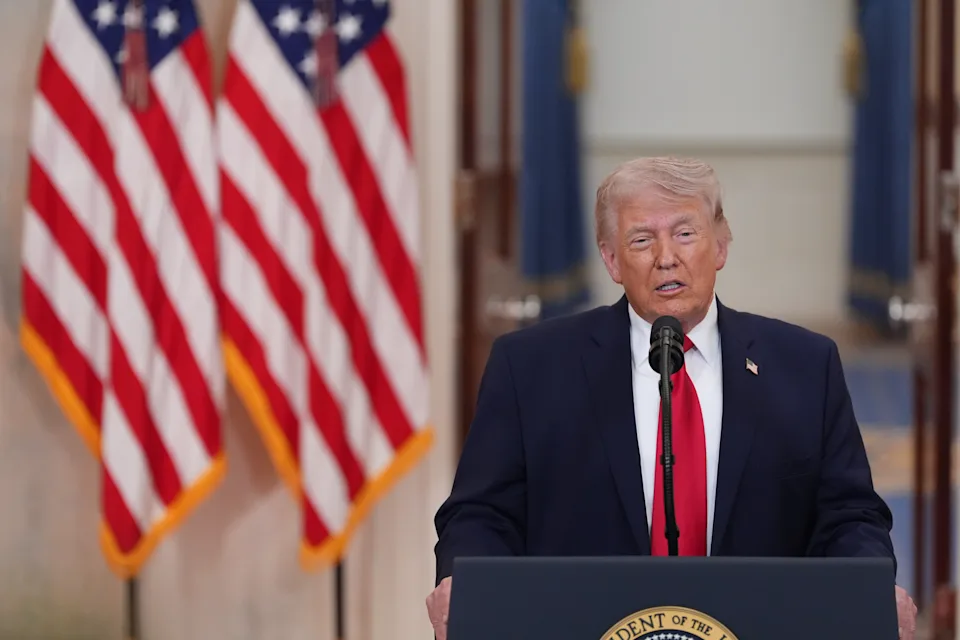
In a national address, Donald Trump declared the US is “totally independent of the Middle East,” arguing that the country no longer needs oil or resources from the region.
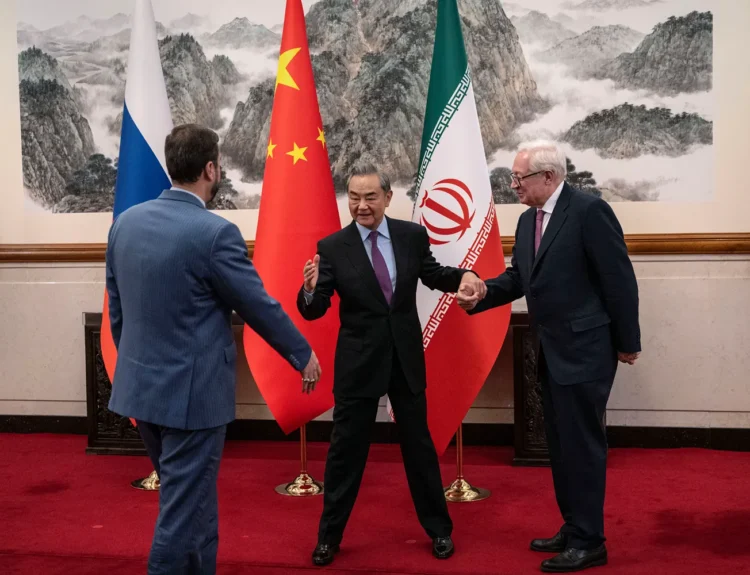
At the same time, he signaled a potential Iran ceasefire, but only if the Strait of Hormuz reopens, highlighting how central the region remains to global stability.
The claim vs reality
Trump is partly right. The US is a net exporter of oil and natural gas, meaning it produces more than it imports. But markets are not local. They are global. Oil prices are set globally, not nationally.
That means any disruption in supply, even outside the US, raises prices everywhere, including at American gas stations.
Why the Strait of Hormuz matters
The Strait of Hormuz is one of the most critical chokepoints in the world.
- Around 20% of global oil supply passes through it
- It connects the Persian Gulf to global markets
- Even partial disruptions can trigger sharp price spikes
And that is already happening. US gasoline prices have jumped to $4.08 per gallon, rising by more than $1 since the conflict began.
Why Americans still feel the impact
Even if the US does not rely heavily on Middle Eastern oil imports:
- Global shortages push up global prices
- Refined fuel is still imported in some US regions
- Supply chains are interconnected
As one energy analyst put it: Being a net exporter has “no impact” on what Americans pay at the pump.
It’s not just oil
The impact goes far beyond gasoline. The region supplies critical materials that directly affect US industries:
- Fertilizer → key for agriculture
- Helium → essential for semiconductor production
- Chemicals → used across manufacturing
A disruption in the Strait does not just raise fuel prices. It can increase food costs, disrupt tech supply chains, and add inflation pressure globally.
A recent UN analysis warned that higher energy, transport, and fertilizer costs could: “Increase food prices and intensify cost-of-living pressures.”
A hidden risk for AI and tech
One overlooked impact is helium. Countries like Qatar are major producers, and shortages are already emerging. Helium is critical for chip manufacturing, meaning disruptions could: Slow semiconductor production and impact the AI industry.
Some economists warn this could even become a bottleneck for the entire AI boom.
The market signal
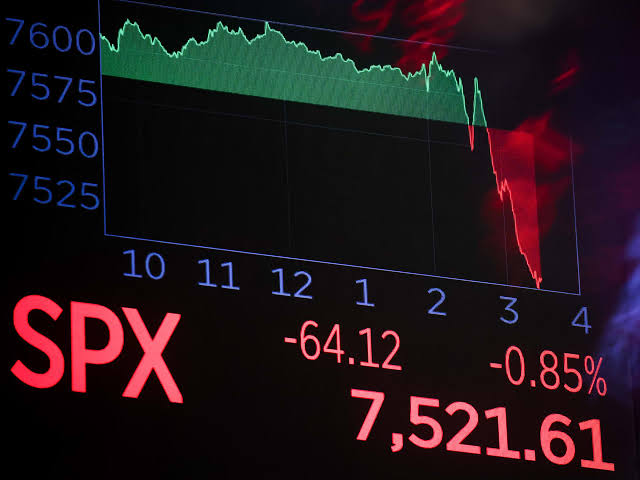
Markets are already reacting: Oil prices rising, Gas prices surging, Supply chain risks increasing
This directly contradicts the idea that the US is insulated. Trump’s comments reflect a broader goal: Exit the Iran conflict quickly and reduce US involvement.
But the reality is more complex. Even if the US is energy independent on paper, it is still deeply connected to global markets. And those markets react instantly to disruptions.
If the US steps back, but the Strait remains unstable: Can global energy markets stabilize, or will inflation pressures keep rising?
That answer will shape not just geopolitics, but gas prices, food costs, and the broader economy in the months ahead.
Disclosure: This article does not represent investment advice. The content and materials featured on this page are for educational purposes only.
Related: One Year After ‘Liberation Day’: Tariffs Hit Prices, Jobs, and Growth