
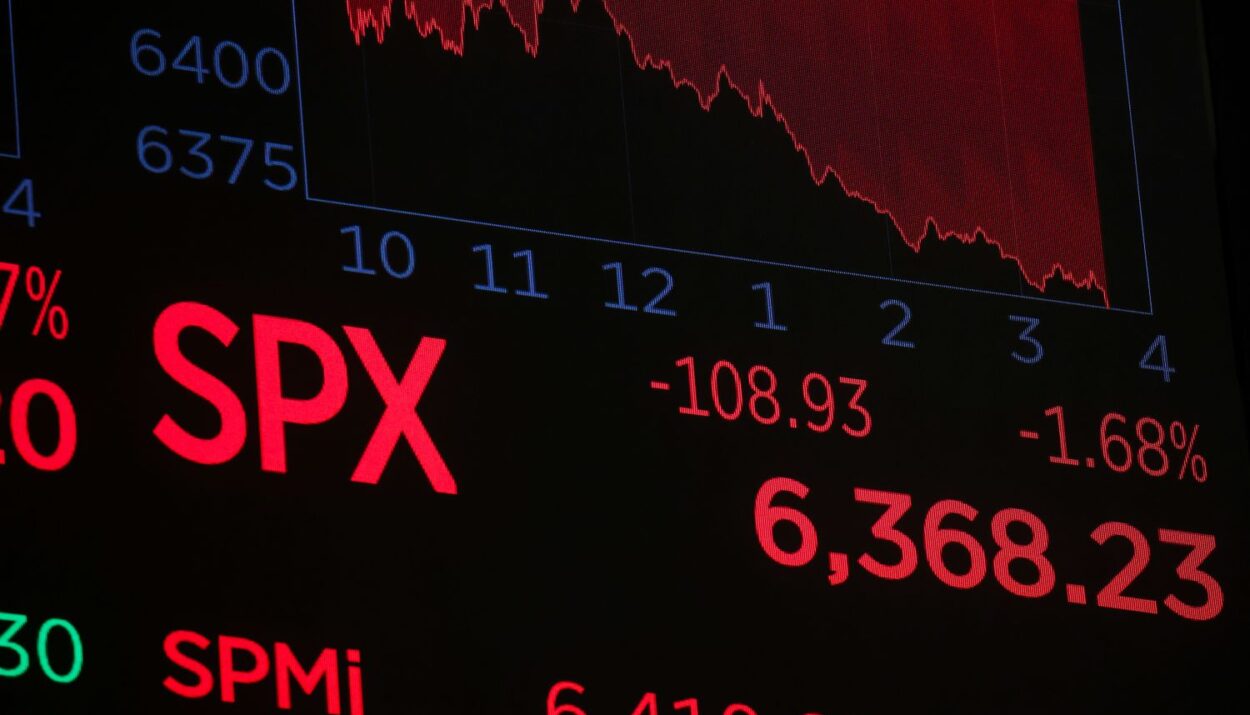

What started as a strong, AI-driven rally at the beginning of 2026 quickly turned into one of the most uncertain quarters in recent years, as war, inflation, and shifting expectations hit global markets at the same time.
At the start of January, the mood was clearly optimistic. The S&P 500 was near record highs, investors were confident that inflation was easing, and the dominant belief was that the Federal Reserve would soon begin cutting rates. AI remained the strongest theme, with expectations that Big Tech would continue leading the market higher.
Three months later, that entire narrative has changed.
By the end of the first quarter, markets had moved sharply lower. The S&P 500 fell 4.8%, the Dow dropped 4.2%, and the Nasdaq declined 7.1%, reflecting a broad shift in sentiment across sectors.
From Rate Cuts to Rate Hike Fears
One of the biggest drivers of this shift has been the Federal Reserve.
At the beginning of the year, the Fed appeared comfortable holding rates steady, with inflation gradually cooling and the economy showing resilience. Markets were pricing in multiple rate cuts for 2026.
But that outlook didn’t last.
Inflation proved more persistent than expected, and then the Iran war added a new layer of pressure by pushing energy prices higher. Suddenly, instead of discussing when rates would fall, investors began asking whether they might rise again.
Now, the market is preparing for:
- A prolonged pause in rate cuts
- Or even a potential rate hike later in 2026
This change has been especially damaging for growth stocks, which rely heavily on lower rates to support high valuations.

The AI Trade: From Leader to Question Mark
At the same time, the AI trade, which had been the strongest driver of the market over the past year, began to lose momentum.
This is not because AI demand disappeared, but because the narrative around it became more complicated. Investors started to question:
- How profitable AI investments really are
- Whether massive spending on infrastructure will pay off
- How long it will take for returns to materialize
As a result, major tech stocks declined:
- Microsoft fell more than 20%
- Meta dropped around 12%
- Amazon and Alphabet both declined close to 10%
- Nvidia, despite remaining a key AI player, also pulled back
The shift reflects a broader rebalancing. AI is still seen as a long-term growth driver, but it is no longer treated as a short-term market guarantee.

The Turning Point: Iran War and Oil Shock
The most important catalyst of the quarter was the escalation of the Iran conflict.
What was initially expected to be a short and contained situation quickly evolved into a prolonged disruption, particularly in global energy markets.
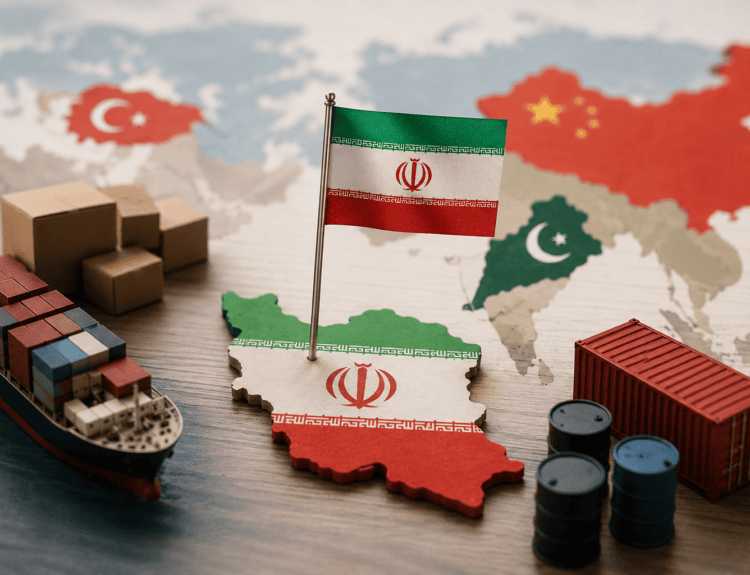
Iran’s strategy has focused less on direct confrontation and more on targeting oil flows and shipping routes, especially around the Strait of Hormuz. This has created a sustained shock to energy markets. The consequences have been immediate:
- Oil prices surged sharply
- Inflation expectations increased
- Global growth concerns returned
This has also introduced the risk of stagflation, a scenario where inflation remains high while economic growth slows, something markets have not had to seriously price in for years.
Sector Rotation: Energy Wins, Tech Struggles
As conditions changed, market leadership shifted significantly.
Energy stocks became the clear winners of the quarter. Companies like Exxon Mobil, Chevron, and ConocoPhillips saw strong gains, supported by higher oil prices and renewed focus on energy security.
At the same time, tech and software stocks underperformed.
The so-called “Magnificent 7,” which had dominated markets in previous quarters, lost momentum. While they remain central to the market, they are no longer acting as a safe haven for investors.
Interestingly, another unexpected beneficiary has been the electric vehicle sector. As gasoline prices rise, consumers are once again paying more attention to alternatives, which could support demand for EVs if high energy prices persist.
A More Complex Market Environment
What makes this moment particularly challenging is that multiple forces are now interacting at once. Markets are no longer driven by a single theme like AI or rate cuts. Instead, they are balancing:
- Geopolitical risk from the Iran war
- Inflation driven by energy prices
- Uncertainty around central bank policy
- Questions about the sustainability of AI-driven growth
This combination has created a market environment where sentiment can shift quickly, often based on headlines rather than fundamentals.
What Investors Are Watching Now
Looking ahead, several key questions will define the next phase of the market:
- Will the Fed hold rates steady, cut, or hike?
- Can oil prices stabilize, or will they continue rising?
- Will the Iran conflict escalate or move toward resolution?
- Can AI regain investor confidence as earnings come in?
Each of these factors has the potential to significantly move markets on its own. Together, they create a highly uncertain outlook
The first quarter of 2026 marked a clear turning point.
Markets moved from a growth-driven rally built on AI and rate cut hopes to a more fragile environment shaped by war, energy shocks, and policy uncertainty.
AI is still a powerful long-term story, but it is no longer enough on its own to carry the market. For now, the direction of stocks will depend less on innovation and more on oil, geopolitics, and central banks.
And until those stabilize, volatility is likely to remain a defining feature of the market.
Disclosure: This article does not represent investment advice. The content and materials featured on this page are for educational purposes only.
Related: Why The Iran War Poses Risks To AI?