
Markets, oil, and geopolitics are now moving together, and President Donald Trump’s latest comments just pushed that connection even further.
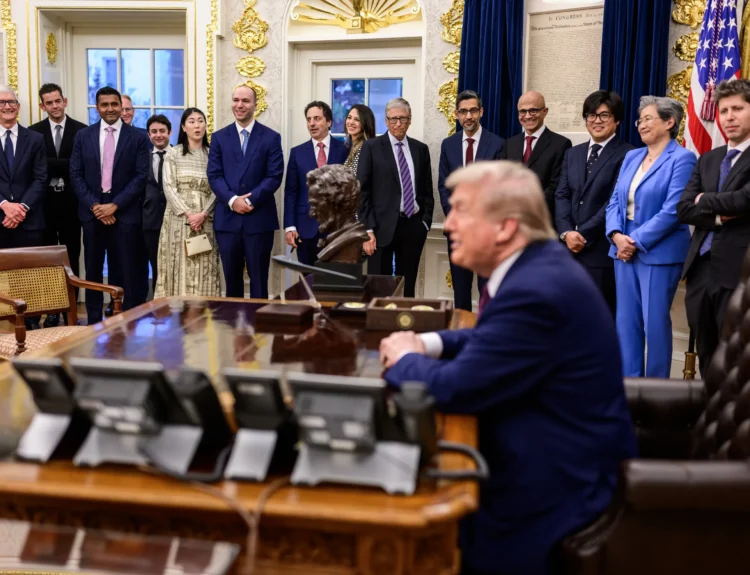
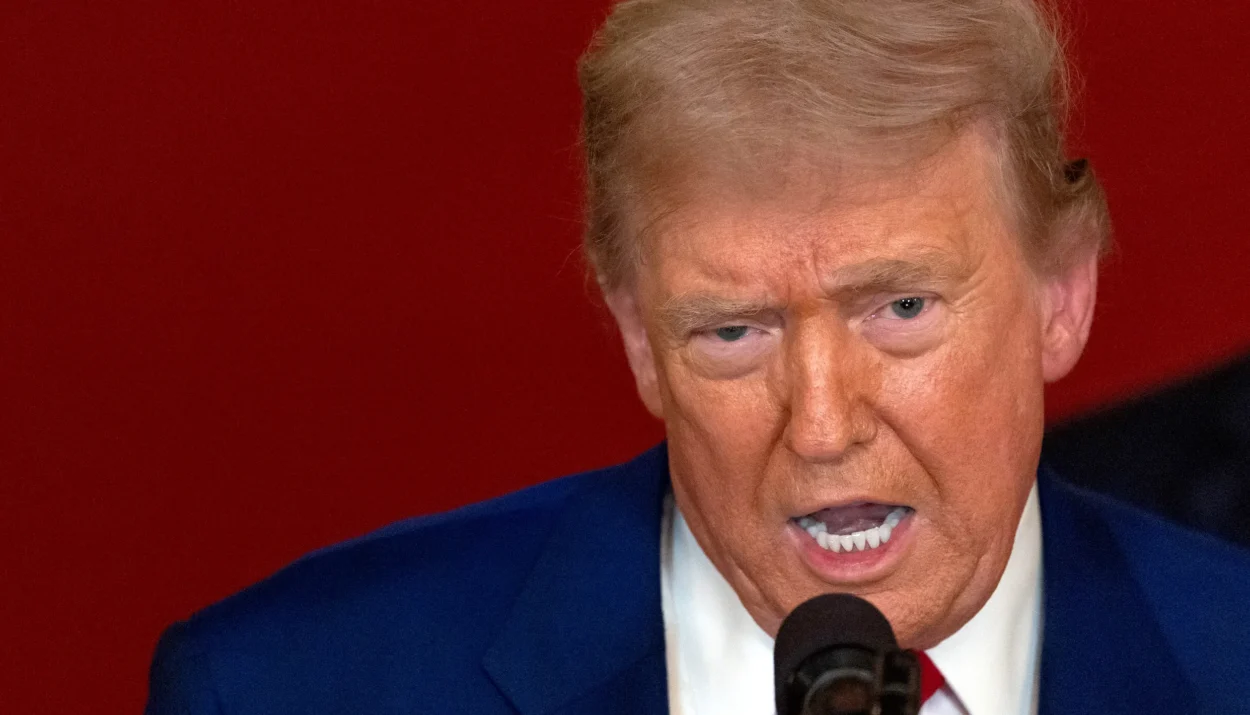
In a series of statements and interviews, Trump delivered one of his strongest warnings yet to Iran, saying that if a deal is not reached soon, the US could move to destroy the backbone of Iran’s energy system.
“Great progress has been made,” Trump said, but quickly added that if negotiations fail and the Strait of Hormuz is not reopened, the US would respond by “blowing up and completely obliterating” Iran’s oil wells, power plants, and Kharg Island, the country’s most critical export hub.
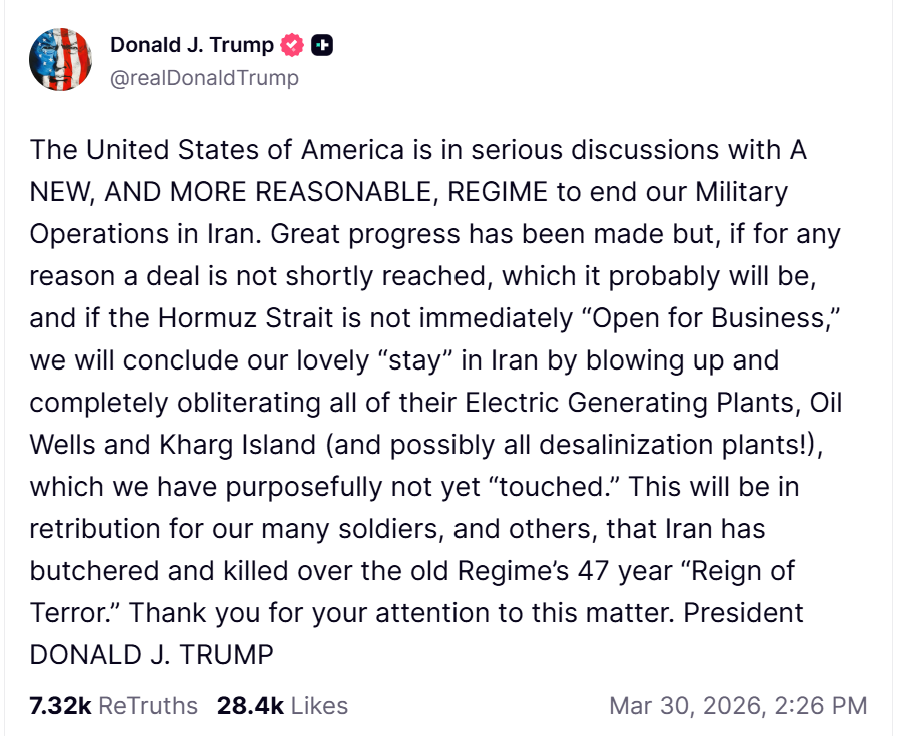
That combination, optimism followed immediately by escalation, is exactly what is keeping markets on edge right now.
At the Center of Everything: Oil
To understand why this matters so much, you have to look at one place: Kharg Island.
This small island handles around 90% of Iran’s oil exports, making it one of the most strategically important energy assets in the world. Trump openly acknowledged that targeting it is on the table.
“Maybe we take Kharg Island, maybe we don’t. We have a lot of options,” he said, adding that any such move would likely require US forces to remain there for some time.
In simple terms, this is not just about war, it is about control over global oil supply.
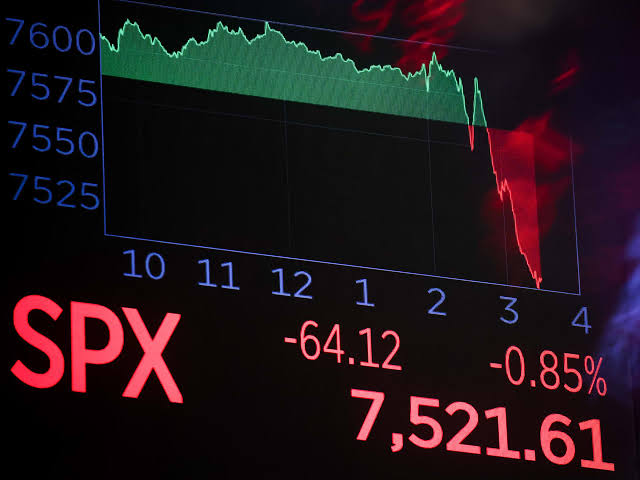
And markets are reacting accordingly. Oil prices have already surged, with Brent crude moving above $116 per barrel, as investors price in the risk that supply could be disrupted at any moment.
“Take the Oil”: A Shift in Strategy
What stood out even more was Trump’s unusually direct framing of US intentions. In an interview, he said his “favorite thing would be to take the oil in Iran,” dismissing critics who oppose the idea.
This is a significant shift in tone. Instead of focusing only on military pressure or deterrence, the conversation is now openly about resource control.
It also raises a bigger question for markets and global politics: Is this conflict moving toward a negotiated settlement, or toward a more aggressive economic and strategic takeover?
Peace Talks… or Just Pressure?
Trump continues to say that a deal is close.
The US has presented a 15-point peace plan, and according to him, discussions are progressing. He even claimed Iran had agreed to “most” of the terms.
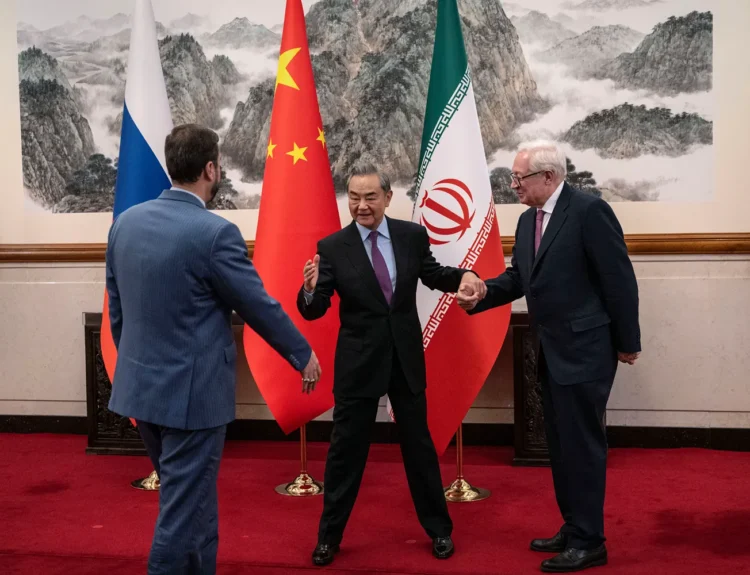
But Iran is telling a completely different story. Officials in Tehran have rejected the proposal, calling it “unrealistic” and “excessive,” and denying that any real agreement is in place.
There are also no confirmed direct negotiations, only indirect communication channels. This gap between what the US says and what Iran says is one of the biggest reasons markets are struggling to find direction.
Meanwhile, the War Keeps Expanding
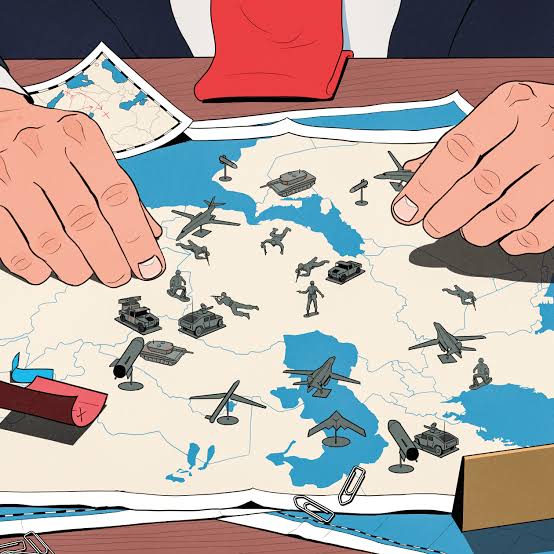
Behind the headlines about talks, the military situation is still intensifying. Trump revealed that:
- Around 13,000 targets have already been hit
- Roughly 3,000 targets remain
- Additional US troops and equipment are being deployed
At the same time, Iran has warned that any escalation, especially a ground move toward key assets like Kharg Island, would trigger a strong response. This creates a dangerous setup where:
- Diplomacy is being discussed
- But military preparation is accelerating
Why the Strait of Hormuz Matters So Much
Everything ultimately comes back to the Strait of Hormuz. This narrow waterway carries about 20% of the world’s oil supply, making it one of the most important economic choke points on the planet. Trump has repeatedly said it must be reopened “immediately.” If it remains disrupted:
- Oil prices could spike further
- Inflation could rise globally
- Economic growth could slow
And that is exactly what investors are worried about right now.
Markets Are Caught Between Two Scenarios
Right now, markets are trying to price two completely different outcomes at the same time.
Scenario 1: A Deal Happens and
- Oil stabilizes or drops, Inflation pressure eases, Stocks recover
Scenario 2: Escalation Continues
- Oil surges higher, Inflation worsens, Central banks stay hawkish, Stocks face more downside
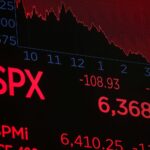
The problem is that both scenarios seem equally possible based on current headlines. Trump’s latest comments did not just escalate rhetoric; they highlighted the core uncertainty driving global markets right now.
On one side, there is talk of a deal that could calm everything. On the other, there is a very real possibility of targeting the heart of Iran’s energy system, which would send shockwaves across oil markets and the global economy.
Until one direction becomes clear, volatility is not going anywhere, and oil will remain the key signal investors are watching every single day.
Disclosure: This article does not represent investment advice. The content and materials featured on this page are for educational purposes only.
Related: Trump Jokes About ‘Losers’ While Praising China at Miami Summit