
Rising oil prices are not just fueling inflation fears, markets are increasingly worried about a deeper threat: a potential economic slowdown that could spiral into deflation.
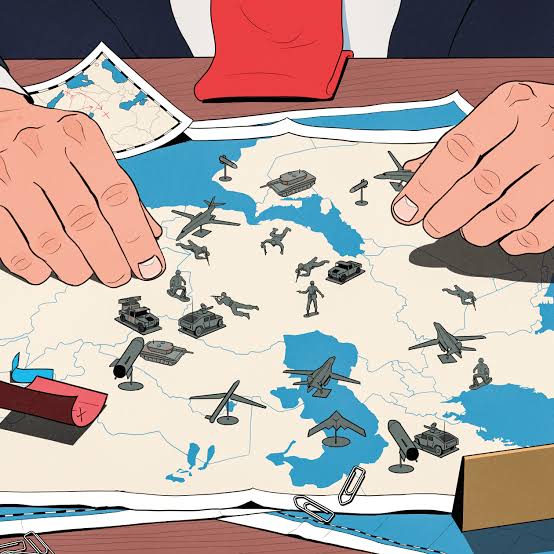
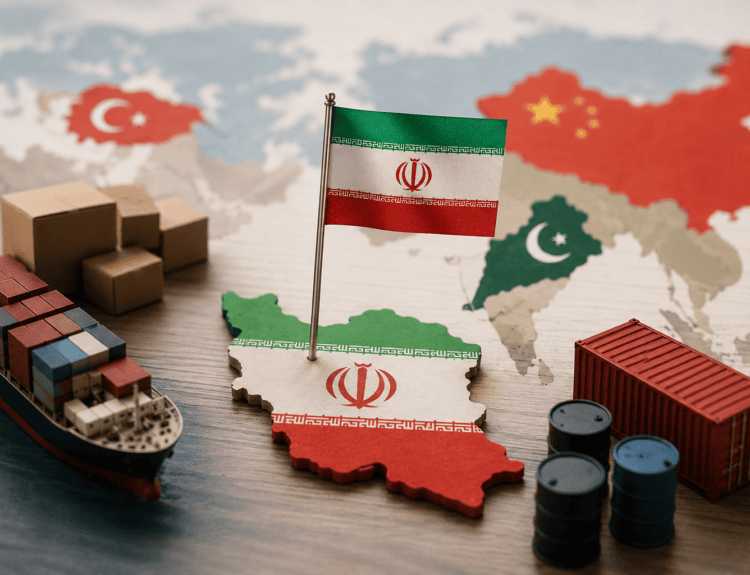
As the Iran conflict continues to disrupt global energy markets, investors are beginning to price in a more complex and dangerous scenario. While oil above $100 per barrel is pushing prices higher in the short term, parts of the market are signaling that the longer-term impact could be weaker growth and falling demand.
From Inflation Shock to Growth Risk
At first glance, the situation looks like a classic inflation story:
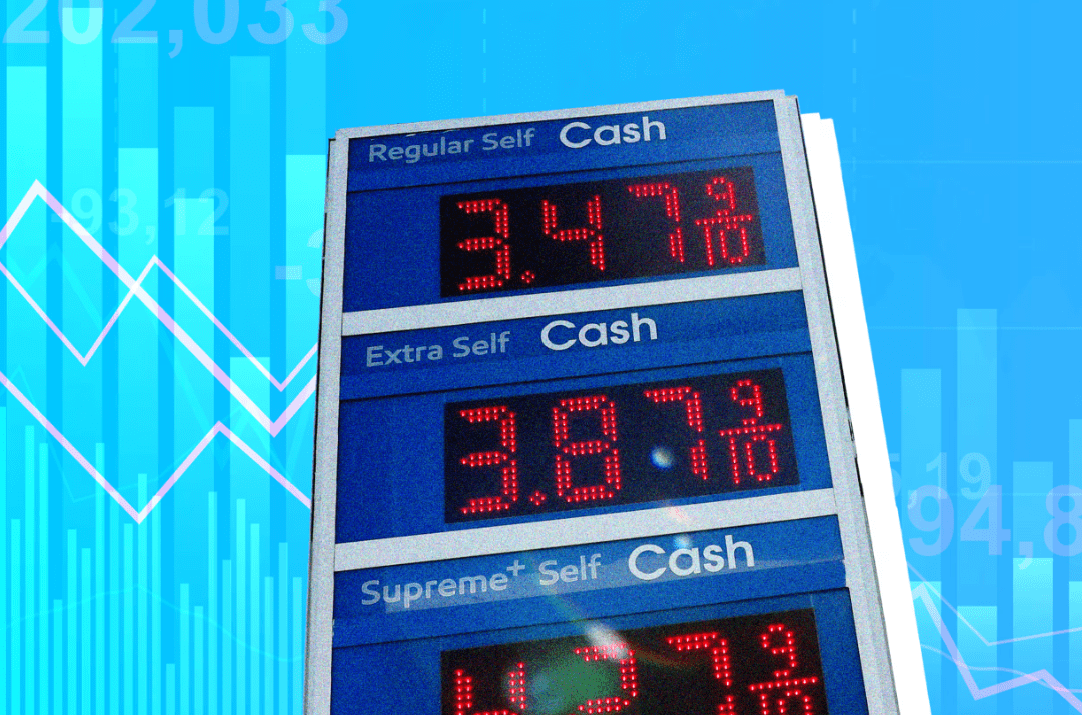
- Gasoline prices are nearing $4 per gallon in the US
- Oil prices have surged sharply amid supply disruptions
- Borrowing costs are rising as Treasury yields climb
But beneath the surface, a different narrative is forming. A key market indicator, the five-year, five-year inflation swap rate, has actually been falling since the war began, even as oil prices surged.
That suggests markets are starting to expect:
- Slower long-term economic growth
- Reduced consumer demand
- Possible disinflation or even deflation
Why Deflation Could Be the Bigger Threat
Some traders believe the oil shock could hit consumers so hard that it triggers a downturn.
“An oil shock could easily be near-term inflationary and long-term deflationary,” said inflation trader Gang Hu.
The logic is simple:
- Higher energy costs act like a tax on consumers
- Households cut spending on other goods
- Demand weakens across the economy
- Prices eventually start falling
If this cycle deepens, it could lead to deflation, a scenario historically associated with recessions and prolonged economic stagnation. The US last experienced deflation during the 2008–2009 financial crisis, when collapsing demand pushed prices lower.
Fed Faces a Difficult Balancing Act
This creates a major challenge for the Federal Reserve.
- If inflation rises → the Fed needs to keep rates high
- If growth collapses → the Fed needs to cut rates
But if both happen at once, policy becomes far more complicated. Market expectations are already shifting:
- Odds of a rate hike by December jumped to 46.5%, up sharply in one day
- Treasury yields have surged to multi-month highs
This reflects growing uncertainty about how the Fed will respond.
Not Everyone Is Convinced
Despite rising concerns, not all analysts believe deflation is the base case. Some argue:
- The economy is still relatively resilient
- Consumers may absorb higher energy costs without collapsing demand
- A quicker resolution to the conflict could stabilize markets
Others expect continued volatility rather than a clear inflation or deflation trend.
“It will be very hard for inflation to stay at 2%… we could easily see 3% or 1%,” Hu noted.
What It Means for Markets
This shifting narrative has major implications:
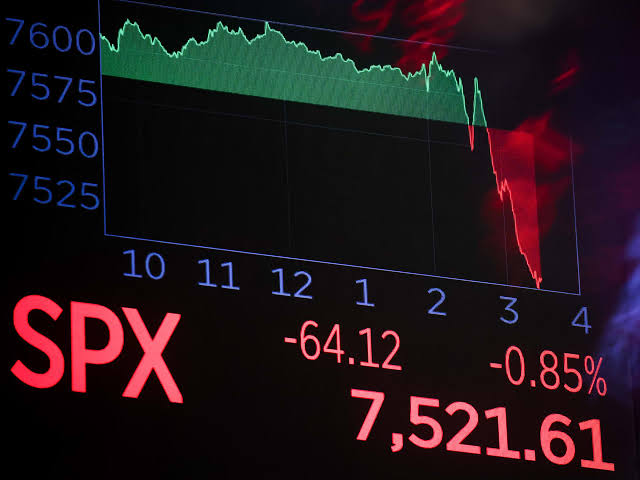
- Stocks: Increasing volatility as growth expectations weaken
- Bonds: Yields rising, especially in shorter maturities
- Commodities: Oil driving short-term inflation pressure
- Policy: Fed caught between conflicting signals
In simple terms, markets are no longer just asking:
“How high will inflation go?” They are now asking: “Will this end in a slowdown or even a recession?”
The Iran conflict is creating a rare and dangerous setup:
- Short-term inflation pressure
- Long-term growth risks
- Rising policy uncertainty
If the war continues, the biggest risk may not be inflation alone. It’s the possibility that higher prices eventually choke off growth, turning today’s inflation shock into tomorrow’s economic slowdown.
Related: Trading Day: Oil Up, Everything Else Down
Disclosure: This article does not represent investment advice. The content and materials featured on this page are for educational purposes only.