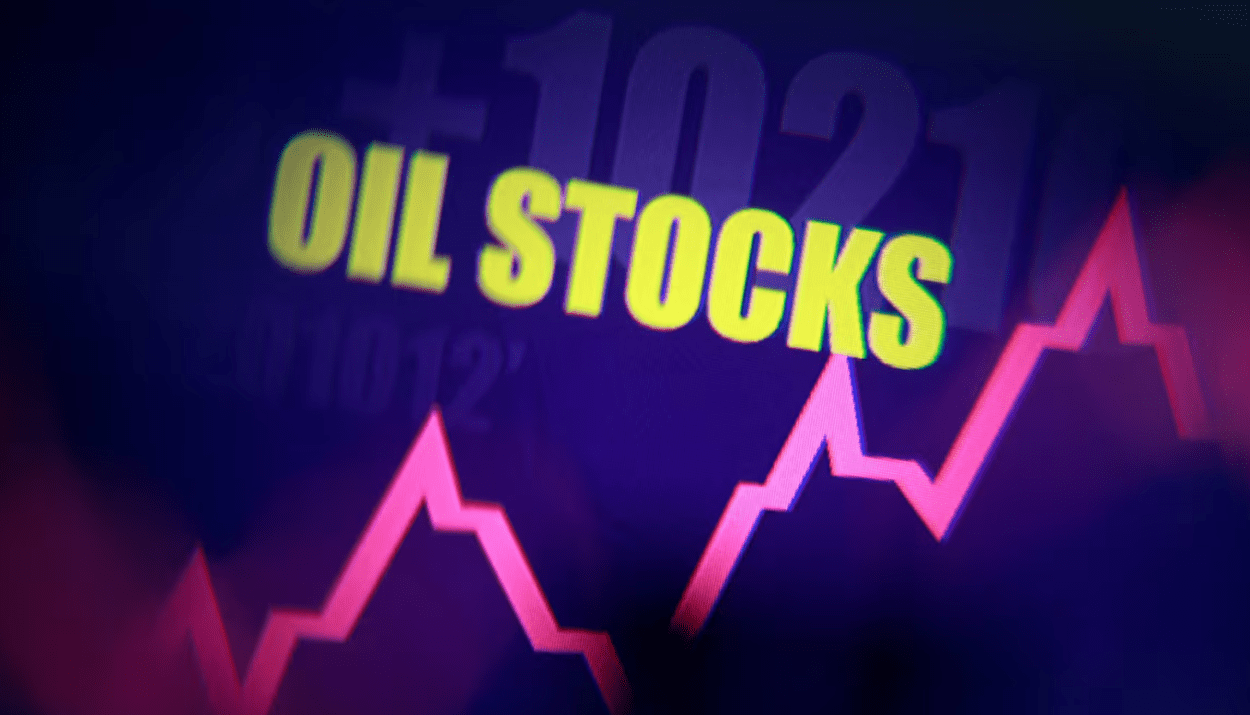

Stocks, bonds, and gold dropped sharply while oil surged, as fading hopes for Middle East de-escalation reignited inflation fears and triggered a broad global selloff.
Global markets moved into a clear risk-off mode on Thursday, with investors reacting to worsening geopolitical tensions, rising energy prices, and growing doubts about economic stability heading into the end of the quarter.
A Full Market Selloff: Everything Falls Except Oil
The selloff was widespread and aggressive across asset classes:
- Nasdaq fell 2.4%, entering correction territory
- S&P 500 dropped 1.7%, Dow down around 1%
- European markets declined over 1%, Asia sharply lower with KOSPI -3.5%
- Bitcoin slid 4%, falling back below $70,000
- Gold dropped 3%, silver plunged 5%
Meanwhile, oil surged 5%, reinforcing fears that inflation could rise again just as central banks were hoping for stability. Sector-wise, the pain was concentrated in growth:
- Communication services: -3.5%
- Tech: -2.7%
- Industrials: -2.3%
In contrast, energy stocks gained:
- Energy sector: +1.6%
- Individual names like Valero surged +8%
Major tech names were hit hard: Meta -8%, Nvidia -4%
The Core Driver: War, Oil, and Inflation Fears
Markets are being driven almost entirely by the escalating Iran conflict and its impact on energy. The latest developments suggest:
- Peace talks remain unclear and inconsistent
- Iran has dismissed US proposals as “one-sided”
- Oil supply risks remain elevated
This uncertainty is creating a dangerous feedback loop:
- War risk pushes oil higher
- Higher oil fuels inflation
- Inflation forces central banks to stay restrictive
- Stocks reprice lower
Investors are struggling to interpret conflicting headlines, leading to sharp and often irrational market swings.
Bond Market Sends a Warning Signal
The bond market is flashing serious stress signals. Recent US Treasury auctions have been weak:
- Poor demand for 2-year, 5-year, and 7-year bonds
- Rising yields to the highest levels since mid-2025
- “Bear flattening” of the yield curve continues
This suggests:
- Investors are demanding higher returns to hold US debt
- Inflation expectations are rising
- Confidence in stability is weakening
Falling foreign central bank holdings of US Treasuries are adding to the pressure.
Technical Breakdown Adds to Panic
Beyond fundamentals, markets are now breaking key technical levels. All three major US indices have fallen below their 200-day moving averages, a critical long-term support level. This matters because:
- Many institutional investors use this level as a signal
- Breaking it can trigger automated selling
- It reinforces bearish sentiment
As one famous market saying goes:
“Nothing good happens below the 200-day moving average.”
This shift suggests the market is no longer just reacting to news, but entering a more structural downturn phase.
Despite Chaos, Some See Upside
Interestingly, not everyone is bearish. Strategists at Barclays have raised their S&P 500 outlook, arguing that:
- Markets may already be pricing in worst-case scenarios
- Economic resilience could still support equities
- Panic-driven selloffs may create opportunities
This highlights a growing divide on Wall Street:
- Short-term: fear, volatility, uncertainty
- Long-term: cautious optimism
What Comes Next
Markets are now fully dependent on a few key drivers:
- Middle East developments
- Oil price movements
- Central bank signals (Fed and ECB)
- Consumer sentiment and inflation expectations
Upcoming data points include:
- US consumer sentiment and inflation expectations
- UK retail sales
- Speeches from Fed and ECB officials
This was not a normal down day. It was a broad, multi-asset selloff driven by geopolitical risk and inflation fears, with technical breakdowns accelerating the move.
Yet beneath the panic, a key question remains: Is this the start of a deeper correction, or another buying opportunity in a volatile market cycle? Right now, markets are caught between those two narratives and reacting violently to every new headline.
isclosure: This article does not represent investment advice. The content and materials featured on this page are for educational purposes only.
Related: Fed’s Best Move Now? Do Nothing