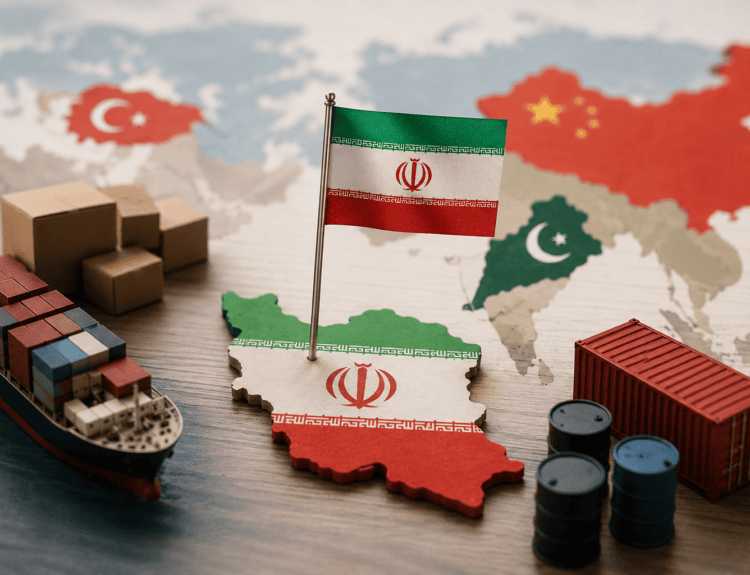

A sharp spike in oil prices triggered a broad market selloff, as investors rushed out of risk assets and into energy plays amid escalating tensions in the Middle East.
US stocks fell across the board as fears surrounding the Iran conflict intensified, sending oil prices sharply higher and shaking investor confidence.
The S&P 500 dropped 1.52%, the Nasdaq fell 1.78%, and the Dow Jones declined 1.56%, reflecting a clear risk-off move across markets.
Oil Shock Drives Market Reaction
The selloff was driven by a sudden surge in oil prices.
WTI crude jumped around 10% to $96 per barrel, following reports of Iranian attacks on ships in the Persian Gulf. The situation escalated further after Iran signaled its intention to keep the Strait of Hormuz closed, a critical route for global energy supply.
The International Energy Agency described the disruption as:
“The largest supply disruption ever.”
Even a historic move by the IEA to release 400 million barrels from emergency reserves failed to calm markets, highlighting how serious the situation has become.
Sector Rotation: Energy Up, Growth Down
The spike in oil prices triggered a sharp rotation across sectors.
Investors moved away from: Tech stocks, Travel and airline companies, Consumer-facing businesses
And into: Energy stocks, Defensive sectors
Airlines were among the biggest losers, as higher fuel costs threaten margins. At the same time, tech stocks continued to face pressure, adding to broader weakness in growth sectors.
Geopolitics Takes Control of Markets
Markets are now being driven less by earnings or economic data and more by geopolitical developments.
Iran’s new leadership made its stance clear, signaling that control over the Strait of Hormuz could be used as a strategic tool. This has raised fears of prolonged disruption in global energy flows.
As a result, oil is becoming the key driver of market sentiment.
What This Means for Investors
The current environment is defined by uncertainty.
Higher oil prices are feeding inflation concerns, which in turn affect central bank policy expectations and market valuations. At the same time, geopolitical risks are making it difficult for investors to price assets with confidence.
The result is increased volatility and rapid shifts between sectors.
The market is entering a phase where geopolitics is leading everything. If tensions escalate further:
- Oil prices could rise even more
- Inflation fears could intensify
- Stocks could face deeper declines
If the situation stabilizes:
- Energy markets may calm
- Risk appetite could return
- Equities may recover
For now, one thing is clear: Oil is driving markets, and the Iran conflict is at the center of it all.
Disclosure: This article does not represent investment advice. The content and materials featured on this page are for educational purposes only.
Related: Fed’s Best Move Now? Do Nothing
3 weeks of war, possible rate hikes, and AI’s ‘show me’ phase: What to watch this week