

US stocks rallied on Monday as oil prices fell sharply, easing fears of a prolonged energy shock tied to the Middle East conflict.
on
The rebound was led by technology stocks, with the S&P 500 rising about 1% and the Nasdaq climbing 1.2%, while all 11 sectors in the index finished higher.
Major tech names helped drive the gains.
- Meta rose 2.2%
- Nvidia gained 1.6%
- The broader technology sector advanced 1.4%
Oil Prices Fall After Recent Surge
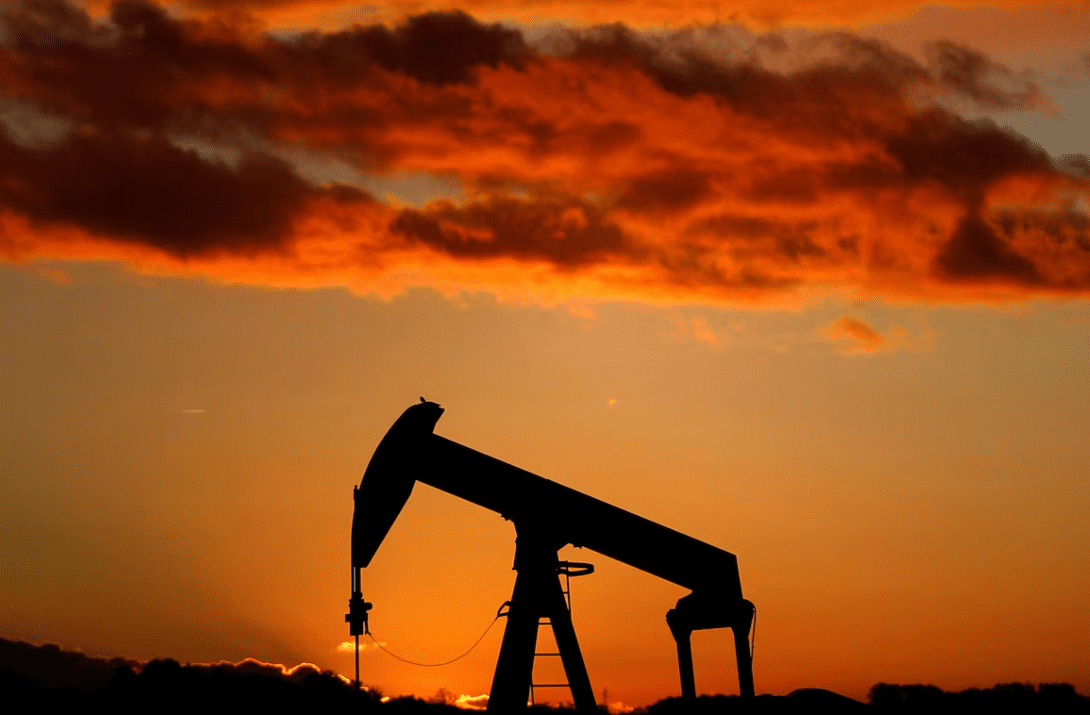
Oil prices, which had surged in recent weeks amid the Iran conflict and disruptions around the Strait of Hormuz, fell 3% to 5% during Monday’s trading.
The drop helped calm markets that had been worried about a prolonged supply shock. However, US gasoline prices remain elevated, with the national average reaching about $3.72 per gallon, up 27% over the past month.
Investors are increasingly betting that the supply disruption could ease if shipping through the Strait of Hormuz resumes.
Dollar and Bond Yields Slide
The US dollar index fell about 0.6%, marking its largest drop in more than a month as Treasury yields declined.
Bond yields fell by as much as 7 basis points, and traders once again fully priced in the possibility of a Federal Reserve rate cut before the end of the year.
Cryptocurrency markets also moved higher, with bitcoin rising roughly 4%.
Allies Push Back on Hormuz Coalition
Meanwhile, geopolitical tensions remain high.
Several US allies, including Germany, Italy, and Spain, rejected President Donald Trump’s call for military support to reopen the Strait of Hormuz.
German Chancellor Friedrich Merz said there was no mandate from the United Nations, EU, or NATO to participate in the operation and noted that Washington did not consult Germany before launching the war with Iran.
Markets Brace for Major Central Bank Week
Investors are also preparing for a busy week in global monetary policy.
The Federal Reserve begins its two-day policy meeting, while several other central banks including the Reserve Bank of Australia will also announce interest rate decisions.
Markets will be watching closely for signals on how policymakers plan to respond to the economic uncertainty created by the Middle East conflict and volatile energy prices.
With oil markets still unstable and geopolitical tensions rising, analysts warn that financial market volatility could remain elevated in the coming weeks.
Disclosure: This article does not represent investment advice. The content and materials featured on this page are for educational purposes only.