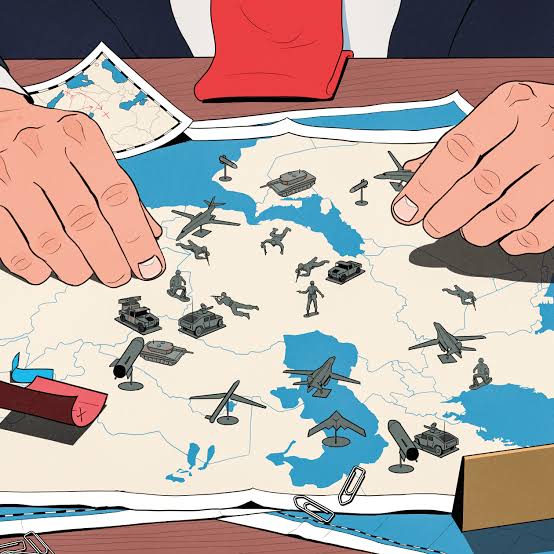

Gas prices in the United States have jumped sharply since the war involving Iran began, and even if oil prices fall, history suggests drivers may not see relief at the pump quickly.
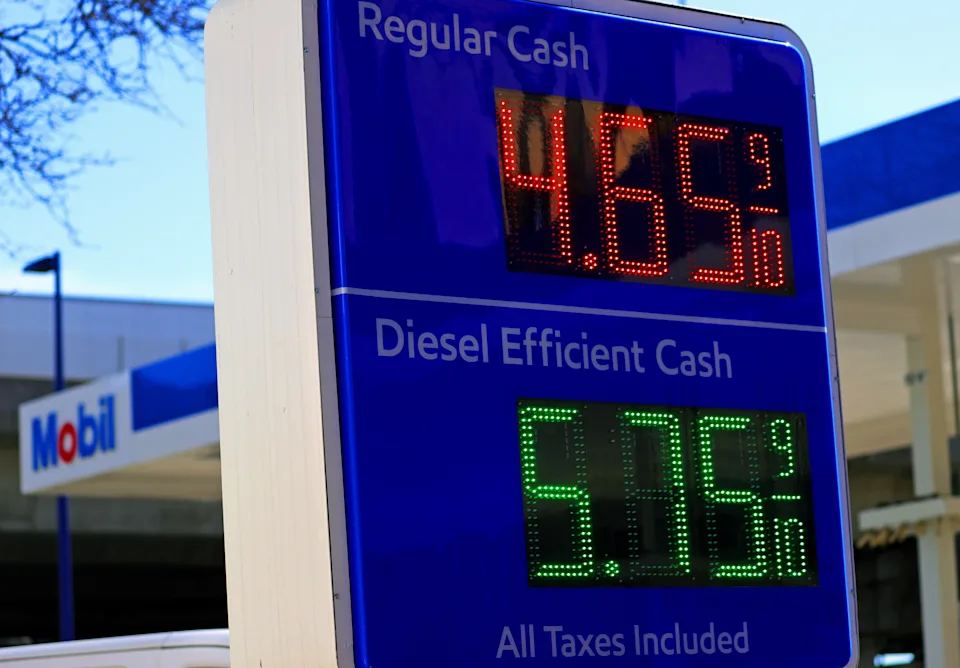
Average US gas prices are now about 64 cents higher than a month ago, as the conflict pushed crude oil prices sharply higher and triggered volatility in global energy markets.
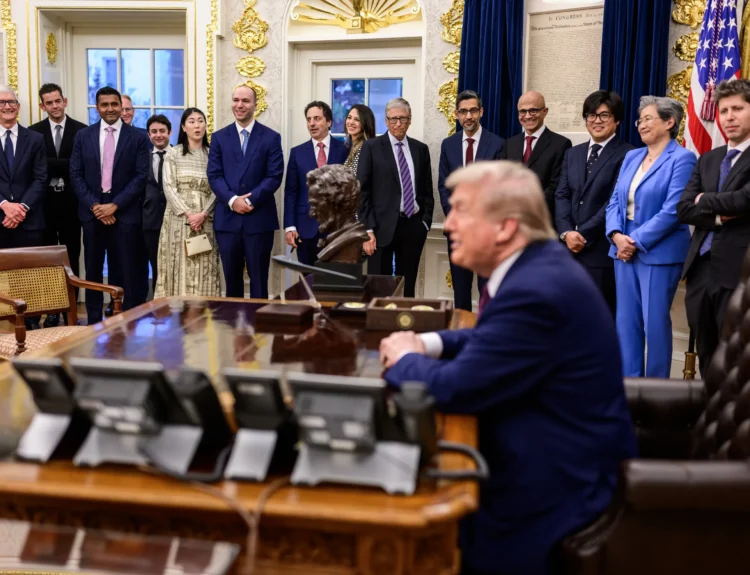
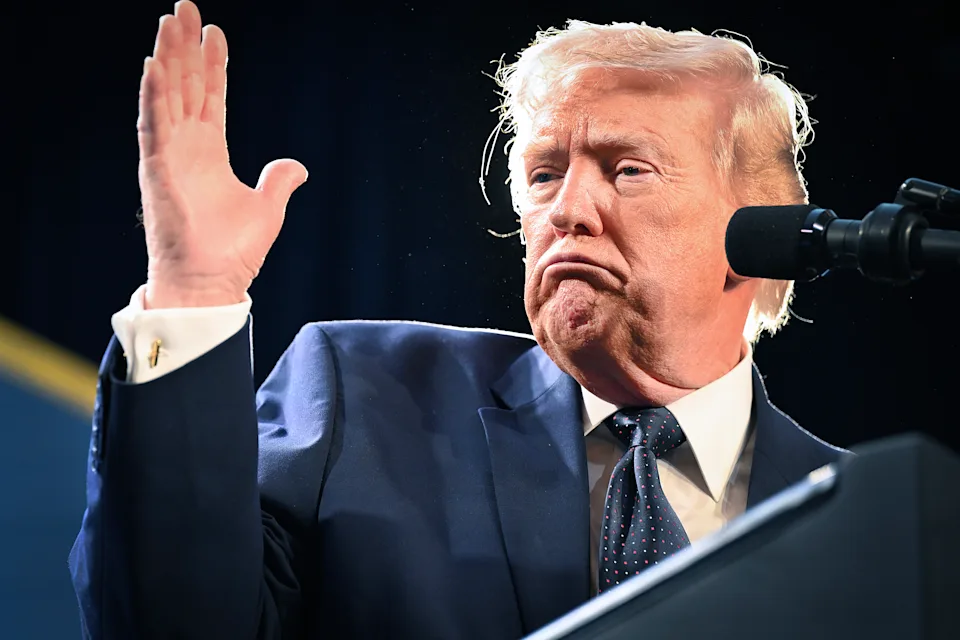
President Donald Trump has said the war could end soon and that energy prices will fall once the conflict subsides. The White House has argued that the current surge is a temporary disruption.
But economists say the relationship between oil and gasoline prices is rarely that simple.
The “Rockets and Feathers” Problem
Energy economists often describe gasoline pricing with the phrase “rockets and feathers.”
When oil prices rise, gasoline prices usually shoot up quickly like a rocket. But when oil prices later fall, prices at the pump often drift down slowly like a feather.
This pattern is known in economics as “asymmetric pass-through.”
The effect has already appeared in recent days. Crude oil prices have fallen about 25% from their recent peak, but gasoline prices in the U.S. have continued to climb.
According to the American Automobile Association (AAA):
- Monday: $3.47 per gallon
- Tuesday: $3.53
- Wednesday: $3.57
That means drivers are still paying more even as oil prices ease.
A Familiar Political Challenge
This dynamic created major political pressure for previous administrations.
After Russia invaded Ukraine in 2022, both crude oil and gasoline prices surged. Even after oil prices began to fall, fuel prices stayed high for months, frustrating the Biden administration.
At the time, White House officials criticized energy companies and fuel retailers, arguing there was “no excuse for excessive price increases.”
Despite that pressure, prices took months to decline. Now the same economic pattern could create challenges for the Trump administration.
Relief May Take Time
Energy analysts say that even if oil prices stabilize, drivers may have to wait before seeing meaningful relief.
That delay occurs partly because refiners and retailers often buy crude oil weeks in advance, meaning the cost changes slowly filter through the system.
Uncertainty around the war could also slow the process. Reports that Iran may be laying mines in the Strait of Hormuz and attacks on vessels in the region have kept markets nervous about potential supply disruptions.
According to Rory Johnston, founder of the oil research firm Commodity Context, even if the conflict ended immediately it would take time for markets to stabilize.
“Even if tankers resumed full shipments through Hormuz today,” he said, “it would still take months to return to anything resembling normality.”
White House Says Price Relief Will Come
For now, the Trump administration insists the spike in gasoline prices will not last.
A White House spokesperson said the disruptions are short-term and argued that once hostilities end, energy prices could fall quickly and benefit American households.
However, if the past is any guide, drivers may not see lower prices at the pump as quickly as politicians hope.
Disclosure: This article does not represent investment advice. The content and materials featured on this page are for educational purposes only.
Related: IEA to Release Record 400 Million Barrels From Oil Reserves