Global markets rallied Tuesday as oil prices collapsed on hopes the Middle East conflict could de-escalate, but US stocks failed to join the global rebound, marking a rare moment when Wall Street lagged behind the rest of the world.
Oil prices plunged more than 10%, the biggest one-day drop since 2022, after markets reacted to signs that tensions between the United States and Iran might ease.
The sharp fall came just one day after crude surged above $119 per barrel, highlighting extreme volatility in energy markets since the conflict began. Despite the drop in oil prices, U.S. stocks struggled to gain momentum, while markets in Europe and Asia surged.
Global Markets Rise, But US Stocks Stall
Stock markets across Asia and Europe posted strong gains.
South Korea’s stock market jumped around 6%, while major European indices climbed as much as 3% as investors welcomed the sudden fall in energy prices.
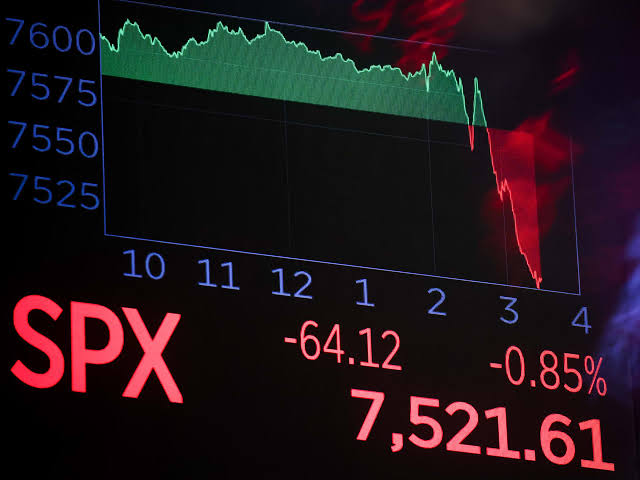
However, the mood on Wall Street remained cautious.
- S&P 500: down 0.2%
- Dow Jones: roughly flat
- Nasdaq: ended near unchanged
In sector trading, technology and communication services were the only U.S. sectors to rise, while energy stocks dropped about 1.3% following the plunge in oil prices.
Among Dow components, 3M, Cisco, and Caterpillar led gains, while Boeing, Salesforce, and Chevron were among the biggest losers.

Oil Markets Swing Wildly
Energy markets have experienced some of the most dramatic price swings in years.
On Monday, crude traded within a massive $36 intraday range, an unusually large move that analysts say could lead to significant losses for traders and hedge funds holding leveraged positions.
The volatility reflects how sensitive oil prices are to headlines related to the war and the Strait of Hormuz, one of the world’s most important oil shipping routes.
Markets were briefly shaken after U.S. Energy Secretary Chris Wright posted on social media that the U.S. Navy had escorted a tanker through the Strait of Hormuz, suggesting supply disruptions might ease.
The post was quickly deleted, triggering confusion in energy markets. Oil prices briefly rebounded nearly $10 afterward as traders reassessed the situation.

Currency and Commodity Moves
The drop in geopolitical risk also pushed investors away from traditional safe-haven assets.
- Gold fell about 2%
- The US dollar weakened as demand for safety declined
- Commodity-linked currencies rallied, with the Australian dollar leading gains among major currencies
Meanwhile, U.S. Treasury yields moved slightly higher, with the yield curve steepening modestly.
China’s Export Boom Adds to Market Momentum
Outside the Middle East conflict, strong economic data from China also helped support global markets.
Chinese exports surged 22% in the first two months of 2026, far exceeding expectations and highlighting the strength of the country’s export sector.
The January–February trade surplus reached $213 billion, putting China on track to potentially exceed its record $1.2 trillion trade surplus from last year.
At the same time, Germany reported a sharp decline in exports in January, signaling diverging trade trends among major economies.
What Investors Are Watching Next
Markets remain highly sensitive to geopolitical developments, particularly any news related to the Iran conflict and shipping activity in the Strait of Hormuz.
Key economic events investors are monitoring include:
- U.S. CPI inflation data
- Japan wholesale inflation
- Germany’s final February inflation figures
- Speeches from European Central Bank officials
- A $39 billion U.S. Treasury 10-year bond auction
For now, investors remain cautious as global markets react to the combined impact of geopolitical tensions, energy price swings, and major economic data releases.
Disclosure: This article does not represent investment advice. The content and materials featured on this page are for educational purposes only.
Related: Here’s What Would Need to Happen for Bitcoin to Flip Gold Someday