
Oil was supposed to fall in 2026. Instead, it’s rising, and traders are rushing to protect themselves. The reason is simple: geopolitics is overpowering supply data.
At the start of the year, most analysts agreed the world would have too much oil, which normally pushes prices down. But reality turned out very different. Brent crude has surged above $72 per barrel, partly because traders are adding a risk premium of up to $10 tied to fears that tensions involving Iran and the US could disrupt global supply.
Why Prices Are Rising Even Though There’s Plenty of Oil
Normally, prices fall when supply is high. But oil is not a normal market. It reacts instantly to risk.
Here is what is happening in simple terms:
- Analysts still believe global supply exceeds demand
- But traders worry supply could suddenly drop
- So they are buying protection before anything happens
This protection is called hedging. It means locking in prices now in case oil jumps later. When many traders hedge at once, it signals fear of volatility.
Major triggers right now include:
- Rising tensions between the US and Iran
- Sanctions affecting producers
- Attacks or threats near shipping routes
- Conflicts involving proxy groups
More about: Oil Prices Rise Despite Glut Fears as Geopolitics Shake Market
One key chokepoint is the Strait of Hormuz, a narrow waterway through which about one fifth of the world’s oil passes. If anything blocks that route, supply could drop overnight.
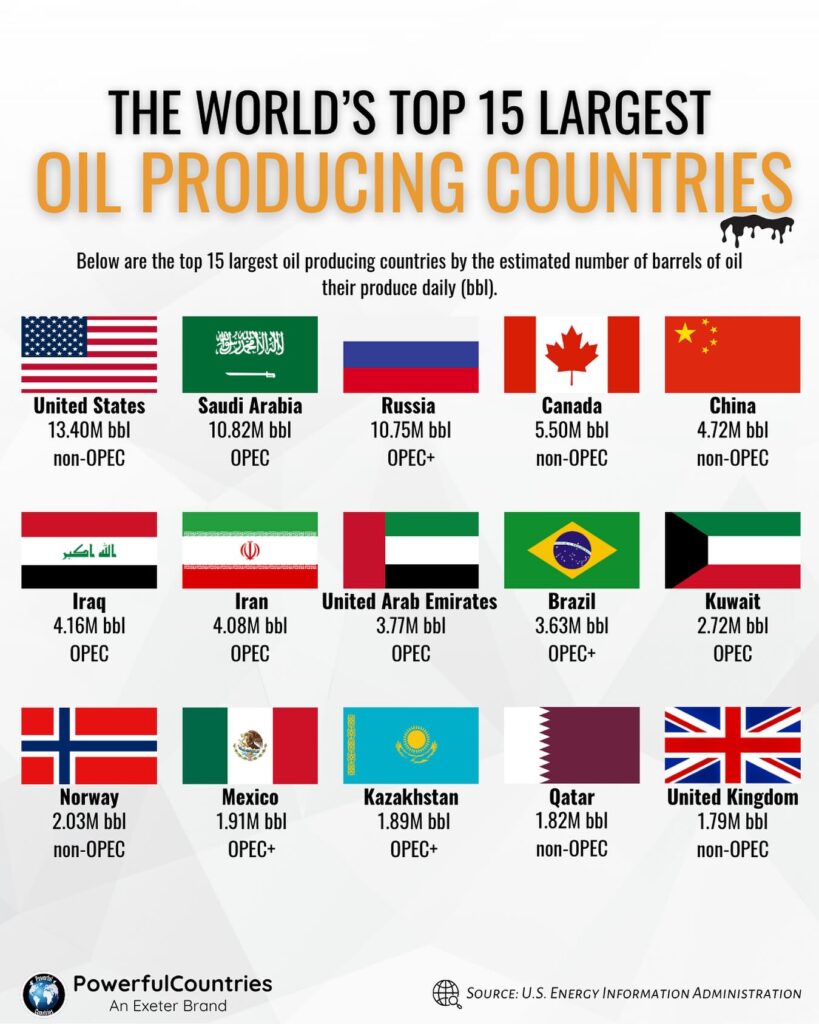
Why Iran Matters So Much to Oil Prices
Iran is one of the world’s important oil producers and part of OPEC. Even rumors about conflict involving Iran can move prices because traders remember past disruptions.
Markets are reacting not just to what is happening, but to what might happen. That is why volatility indicators in oil options have jumped sharply. Traders are paying more for contracts that protect them from sudden price spikes.
In simple words: It is not the shortage that scares markets. It is the possibility of a shortage.
US Oil Companies Are Better Prepared Than Before
Interestingly, the companies producing oil today are in a much stronger position than they were in past cycles.
After the crash in 2020, many US energy firms changed strategy:
- They stopped chasing rapid growth
- They focused on profits and efficiency
- They reduced debt
- They returned more cash to shareholders
That discipline is now paying off. Instead of struggling during volatility, they can actually benefit from it.
Upstream Leaders Positioned for Price Swings
These companies explore and produce oil, so they gain when prices rise.
| Company | Ticker | Dividend | Key Advantage | Outlook |
|---|---|---|---|---|
| ExxonMobil | XOM | 3.5% | Major reserves + tech | Production growth |
| Chevron | CVX | 4.2% | Strong shale assets | Expansion |
| ConocoPhillips | COP | 3.8% | Cash flow growth | Long-term upside |
| EOG Resources | EOG | 2.9% | Efficient wells | Stable output |
| Occidental | OXY | 1.5% | Debt reduction | Stronger balance sheet |
These firms control about 60 percent of US upstream market value, showing how concentrated and efficient the sector has become.
Midstream Firms Offer Stability
Midstream companies transport and store oil and gas. They usually earn fees rather than depending on commodity prices.
| Company | Ticker | Yield | Strength | Growth Outlook |
|---|---|---|---|---|
| Enbridge | ENB | 5.3% | Huge pipeline network | 5–7% |
| Enterprise Products | EPD | 6.0% | Export infrastructure | 4–6% |
| Energy Transfer | ET | 7.0% | Diversified assets | 6–8% |
| Kinder Morgan | KMI | 3.6% | Gas infrastructure | 7–9% |
| Williams | WMB | 4.2% | Data center energy demand | 5%+ |
These are often considered income investments because they pay high dividends and have steady revenue.
Downstream Companies Benefit From Demand
Refiners and fuel distributors profit when fuel demand is strong and refining capacity is limited.
| Company | Ticker | Yield | Strength | Performance |
|---|---|---|---|---|
| Valero Energy | VLO | 2.8% | Advanced refineries | +36.8% |
| Marathon Petroleum | MPC | 2.5% | Strong margins | +23.4% |
| Phillips 66 | PSX | 3.1% | Integrated operations | Stable cash flow |
| ExxonMobil | XOM | 3.5% | Full supply chain | +29.5% |
| Halliburton | HAL | 1.8% | Support services | +26.1% |
What Traders Are Really Betting On
Oil markets right now are not choosing between surplus or shortage. They are pricing both possibilities at once.
That is why you see: Analysts predicting oversupply later in the year, Prices rising today, Hedging activity increasing
This combination tells us something important about modern markets:
Short-term risk can outweigh long-term fundamentals.
The Bigger Lesson From 2026’s Wild Start
The early months of 2026 show how fragile global energy markets are. Even when supply is high, prices can rise if traders fear disruption.
The key drivers today are not wells or pipelines. They are: geopolitics, military tensions, sanctions, trade policy
Until those risks calm down, oil prices may stay volatile regardless of supply forecasts. The oil market is not just about barrels anymore. It is about uncertainty. And right now, uncertainty is in charge.
Disclosure: This article does not represent investment advice. The content and materials featured on this page are for educational purposes only.