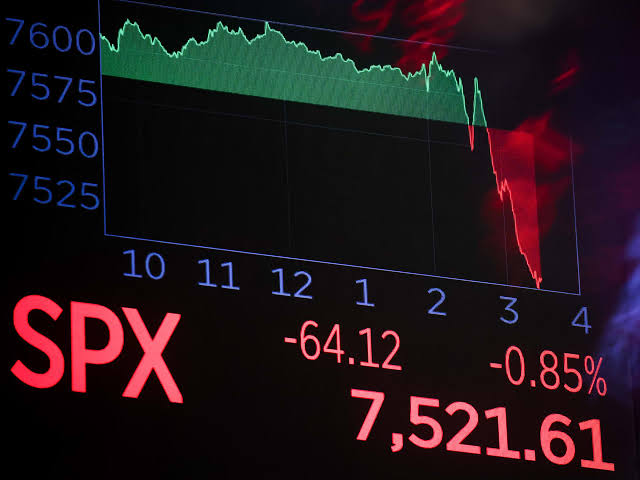

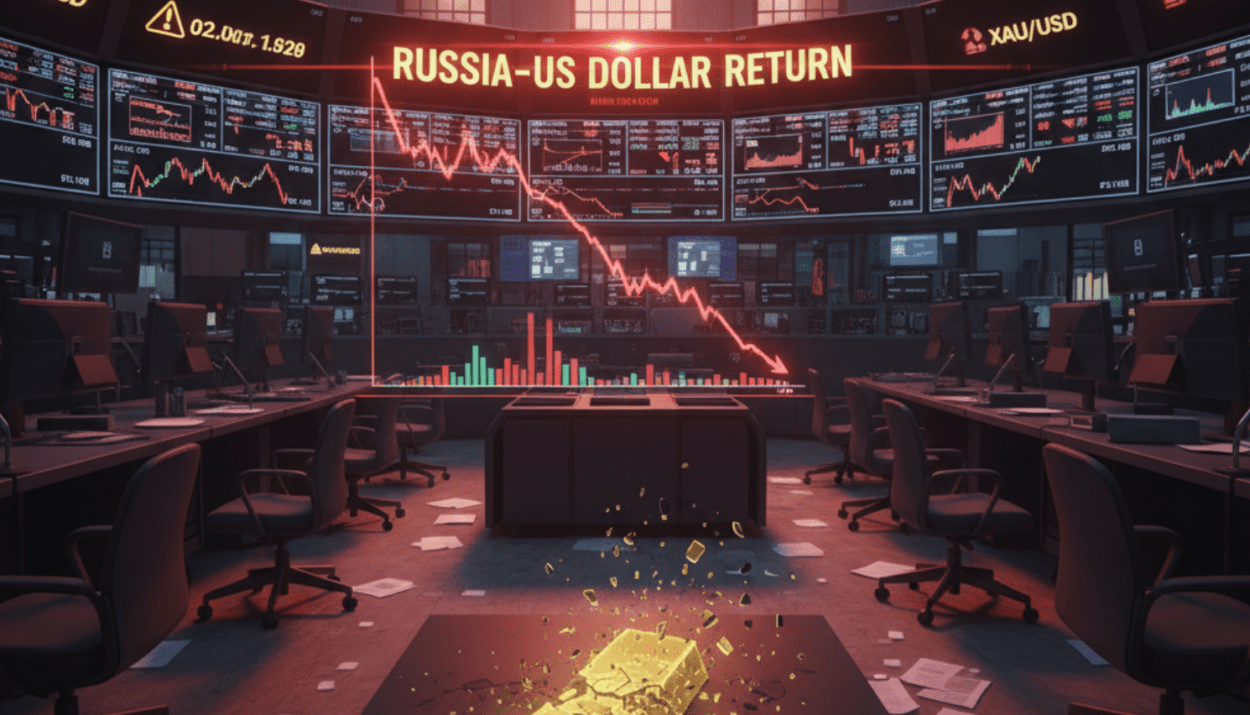

Global markets were rocked Friday after reports that Russia may return to dollar-based trade, and traders are asking one question: was this the fastest macro repricing of the year?
Within minutes of the headlines hitting terminals:
- Silver plunged nearly 10% in half an hour
- Gold slid about 3.5%, dropping back under $5,000
- Dollar Index surged more than 3%
- Roughly $3.2 trillion in global value briefly evaporated
Moves of that scale and speed typically happen only when markets believe a foundational macro narrative has shifted.
Why this news hit so hard
For years, investors built positions around the idea that the global system was gradually moving away from the dollar. Russia was one of the most visible supporters of that trend through local-currency trade and alternative settlement systems.
So when reports suggested Moscow may return to dollar settlements as part of a broader economic alignment with Washington, traders suddenly had to reassess that entire thesis. That forced a rapid unwind of positions tied to the de-dollarisation theme, especially leveraged trades that depend on momentum continuing in one direction.

The proposed framework investors are analyzing
According to leaked outlines circulating in markets, the potential shift could include several pillars:
- Dollarized trade settlement replacing alternative currency systems
- Energy coordination between two major producers
- Joint infrastructure projects such as LNG and pipelines
- Preferential access for US companies to Russian minerals
- Lower trade barriers for American firms operating in Russia
Even though none of these elements are officially confirmed, markets are already pricing in what they would imply if implemented.
Why precious metals dropped first
Gold and silver had been among the biggest beneficiaries of global uncertainty and dollar skepticism. Central banks accumulated bullion, and institutional investors built positions expecting currency fragmentation.
So when headlines hinted that one of the strongest anti-dollar players might pivot back, traders interpreted it as a direct hit to that logic. The selloff was amplified by algorithmic systems that automatically liquidate positions when key price levels break, accelerating the decline within minutes.
Market reaction snapshot
| Asset | Before | After | Move |
|---|---|---|---|
| Gold | $5,180 | $4,955 | −4.3% |
| Silver | $84.20 | $75.80 | −9.9% |
| Dollar Index | 102.1 | 105.4 | +3.2% |
| Bitcoin | $142K | $131.5K | −7.4% |
What macro investors are watching now
A stronger dollar paired with falling commodity prices can shift expectations for the Federal Reserve. If inflation pressures ease because energy and metals drop, policymakers may have more flexibility to keep interest rates steady without overheating the economy.
At the same time, the development could weaken momentum behind alternatives to dollar trade systems championed by BRICS countries, especially if Russia actually re-enters dollar settlement channels.
Large institutional desks at firms like Goldman Sachs and JPMorgan are reportedly treating the situation cautiously, noting that markets often overreact to geopolitical leaks before details are confirmed.
Sector winners and losers traders are rotating into
Potential beneficiaries
- US banks and financial firms
- Traditional energy producers
- Dollar-denominated assets
Under pressure
- Precious metals
- Emerging-market tech
- Green energy subsidy plays
- Highly leveraged speculative trades
Strategic takeaway for investors
What makes this episode unusual is not just the price swings but the speed at which narratives changed. Markets went from debating whether the dollar’s dominance was fading to suddenly pricing scenarios where it strengthens again.
That kind of rapid repositioning tends to increase volatility for days or even weeks, especially when the underlying catalyst is geopolitical and still developing.
Markets did not just react to a rumour. They reacted to the possibility that one of the biggest macro themes of the decade may be reversing. And until investors know whether that shift is real, expect fast moves, sharp reversals, and unusually sensitive trading conditions.
Related: Silver Flash Crash 2026: Why Did Markets Lose $3.2T?
Disclosure: This article does not represent investment advice. The content and materials featured on this page are for educational purposes only.