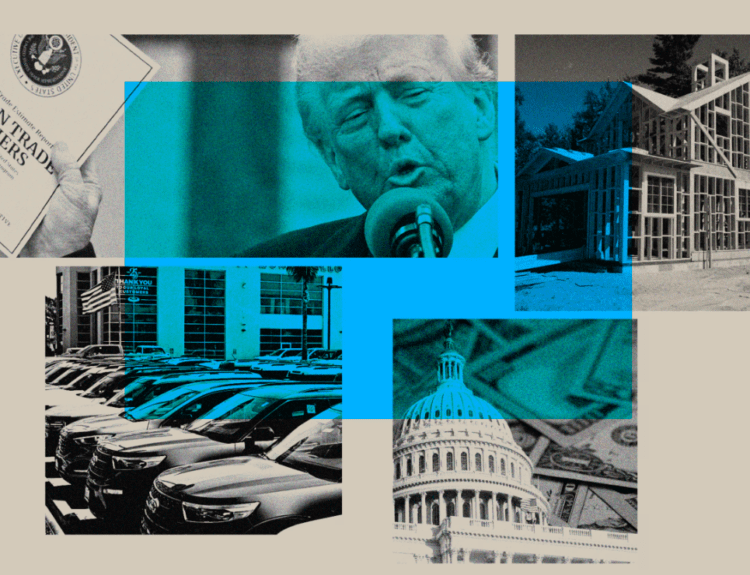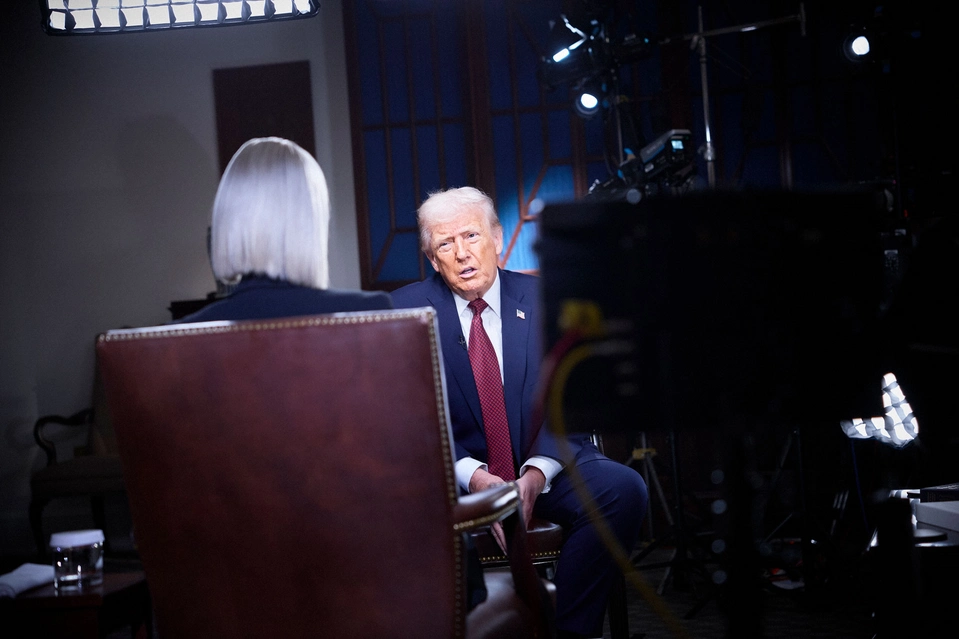

President Donald Trump, wrapping up his first year back in office, sat down with POLITICO’s Dasha Burns for a wide-ranging interview that touched on the economy, the Federal Reserve, tariffs, health care, and foreign policy. The conversation revealed both Trump’s confidence in his economic record and his willingness to challenge long-standing norms in monetary policy and international alliances.
1. Trump Sets a ‘Litmus Test’ for the Next Fed Chair
Trump confirmed that his next Federal Reserve chair nominee must support immediate interest rate cuts, calling it a condition for the job. “Yes,” he replied when asked if lower rates were a litmus test, adding that current chair Jerome Powell “is not a smart person” and “doesn’t like Trump.”
The president’s demand marks his most direct effort yet to steer the central bank, an institution traditionally independent of the White House. Trump said he has already chosen Powell’s successor, with Kevin Hassett, director of the National Economic Council, widely viewed as the frontrunner.
2. Trump Gives His Economy an ‘A-Plus-Plus-Plus-Plus-Plus’
When asked how he would grade the economy, Trump gave it the highest marks possible, claiming “prices are all coming down” and crediting his administration for stabilizing inflation after “ten months of hard work.”
Despite his optimism, polls show many Americans still struggling with high living costs. Trump dismissed those concerns as “a hoax” and blamed Democrats for creating the economic problems inherited from President Joe Biden’s term.
He also defended his international trips to the Middle East and Asia, insisting they were aimed at attracting foreign investment. “When I go on a trip, I only have one place in mind — the United States,” he said, asserting his diplomacy has brought “trillions” in new investment.
3. Health Care Answers Still Unclear
Pressed on whether he would urge Congress to extend Obamacare subsidies to prevent January premium hikes, Trump refused to take a stance, saying, “I don’t know. I’d like to get better health care.”
Instead, he reiterated support for sending funds directly to citizens through health savings accounts, bypassing insurance companies. “No money for the insurance companies, I want to pay the money directly to the people,” Trump said, leaving Republicans without clear guidance as subsidy negotiations continue.
4. Trump Open to More Tariff Carveouts to Ease Prices
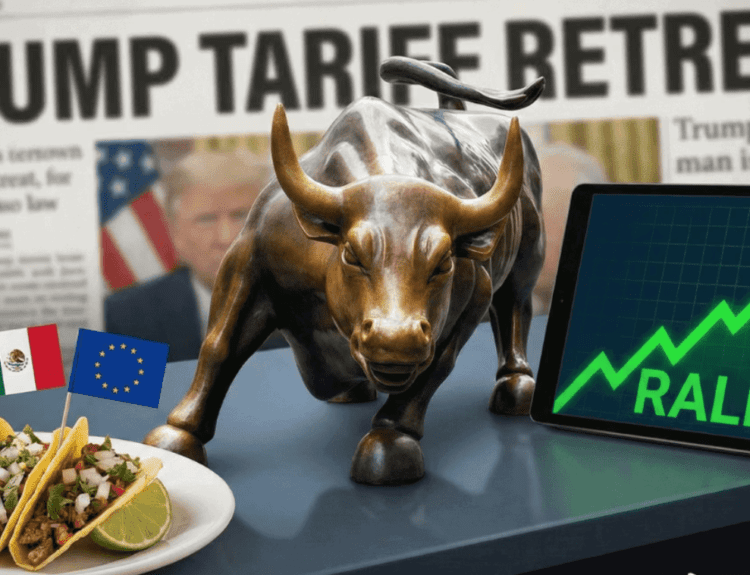
After easing duties on goods like coffee, bananas, tomatoes, and beef, Trump said he is open to expanding tariff exemptions to help lower prices for consumers. But he emphasized that any carveouts would be offset by higher tariffs elsewhere, calling them “tactical adjustments, not retreats.”
He continues to use tariffs as a political and economic tool, even as the Supreme Court reviews the constitutionality of his latest trade penalties — a ruling that could sharply limit presidential power over tariffs.
5. Trump Calls Europe ‘Weak,’ Says Alliances Depend on Loyalty
Trump described Europe as “decaying” and “weak”, blaming immigration and “political correctness” for cultural decline. He warned that long-standing alliances, including with NATO, could no longer be taken for granted.
“I want to run the United States, I don’t want to run Europe,” he said, referencing NATO Secretary General Mark Rutte’s past remark calling him “daddy.” Trump also praised nationalist leaders like Hungary’s Viktor Orbán and Argentina’s Javier Milei, signaling selective engagement with foreign allies who align with his ideology.
Asked whether European nations remain US allies, Trump replied, “Well, it depends,” underscoring the conditional nature of his foreign policy.
6. Trump Shrugs Off Pentagon Oversight Demands
On Defense Secretary Pete Hegseth’s potential testimony before Congress over controversial US strikes on suspected drug-smuggling vessels, Trump said, “I don’t care if he does. He can, if he wants.”
Lawmakers are investigating whether a follow-up strike that killed two survivors violated international law. Trump said he watched footage of the operation and suggested the survivors were trying to “turn back over the boat.” He declined to say whether the second strike was justified, adding, “I don’t get involved in that.”
7. Trump Says Ukraine Should Hold Elections Despite War
Trump argued that Ukraine should hold national elections even under martial law, saying delays undermine democracy. “They’re using war not to hold an election,” he said. “It gets to a point where it’s not a democracy anymore.”
He predicted President Volodymyr Zelenskyy will have to accept concessions, saying, “He’s gonna have to get on the ball and start accepting things, because you’re losing.”
When asked about Donald Trump Jr.’s recent claim that the US might walk away from Ukraine, the president replied, “Not exactly correct, but not exactly wrong.”
Trump’s POLITICO interview painted a picture of a president doubling down on economic populism, monetary intervention, and transactional diplomacy. His confidence in the economy contrasts with public frustration over prices, and his demands for loyalty, from the Fed to foreign allies, signal an administration reshaping both US policy and global expectations heading into 2026.
Disclosure: This article does not represent investment advice. The content and materials featured on this page are for educational purposes only.
Related: Trump Says Next Fed Chair Must Cut Rates Immediately