
A fourth week of war, rising odds of rate hikes, and a turning point in the AI trade are setting up one of the most important weeks for markets this year.
US stocks are heading into the new week on shaky ground. After another round of losses, all three major indexes have now slipped into negative territory for 2026, reflecting a market that is no longer driven by optimism, but by uncertainty.
The shift has been fast and decisive. Just weeks ago, investors were focused on rate cuts and AI growth. Now, the narrative has changed completely. War is pushing oil higher, inflation fears are returning, and the Federal Reserve is stepping back from easing.
The War That Won’t Go Away
What was expected to be a short-lived conflict has turned into a prolonged geopolitical shock.
The Iran war has now entered its fourth week, with tensions escalating rather than cooling. The situation around the Strait of Hormuz, one of the world’s most critical energy routes, remains fragile, with tanker traffic nearly halted and repeated strikes targeting energy infrastructure.
Oil markets are reflecting that risk. Brent crude has climbed above $113, while US crude is holding near $98. Every move in oil is now feeding directly into broader market sentiment.
This is no longer just a geopolitical story. It is an inflation story, a central bank story, and ultimately a stock market story.

The Fed’s Dilemma Is Getting Worse
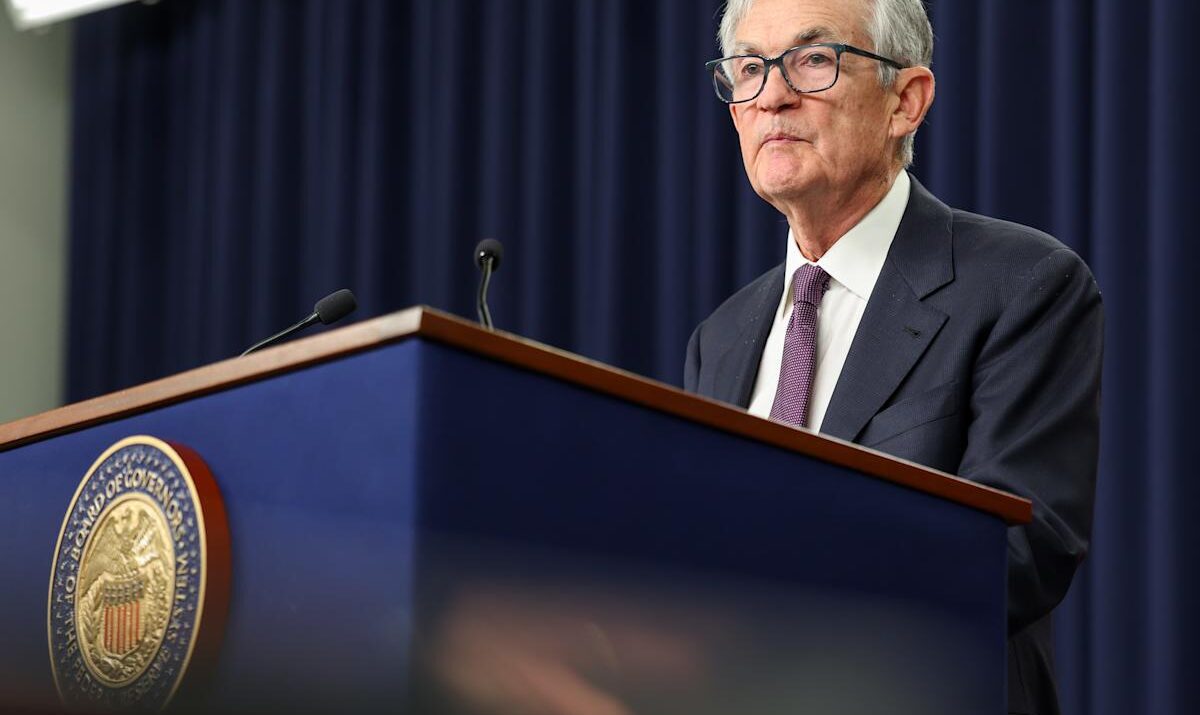
Last week’s Federal Reserve decision to hold interest rates steady was widely expected. What surprised markets was the tone.
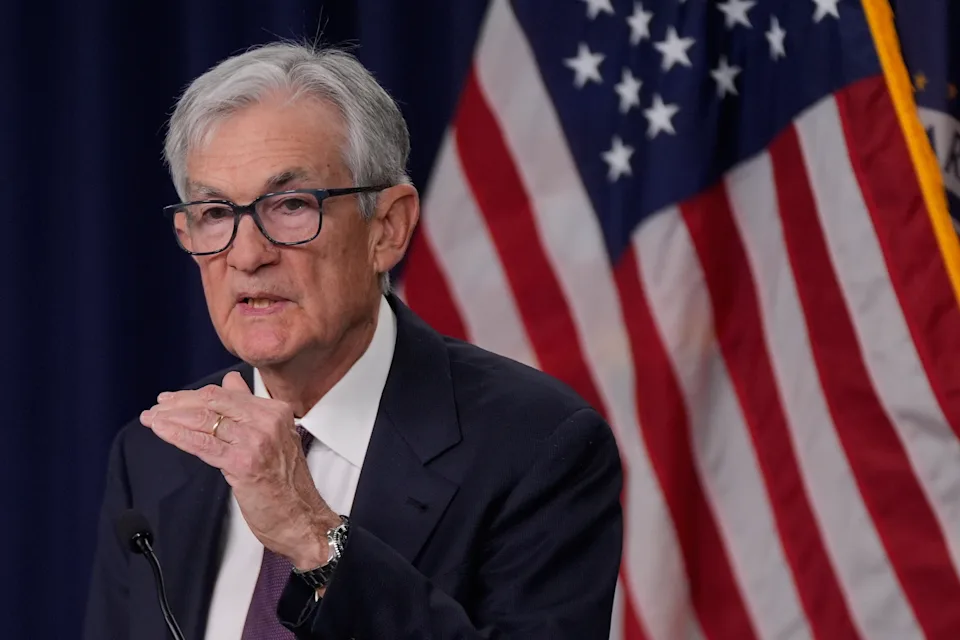
Fed Chair Jerome Powell made it clear that the central bank is dealing with a new layer of uncertainty. Rising oil prices, triggered by the war, could push inflation higher again just as the labor market begins to soften.
That combination is deeply uncomfortable for policymakers.
On one hand, higher inflation argues against cutting rates. On the other hand, a slowing job market suggests the economy may need support. For now, the Fed is choosing to wait, but that wait is becoming increasingly risky.
Markets have already adjusted. What was once a clear expectation of rate cuts has now turned into a debate about whether the Fed might need to raise rates again. Traders are even pricing in a meaningful chance of a hike by October, a dramatic reversal from earlier expectations.
Powell acknowledged the uncertainty directly, saying that the coming weeks will be critical, but for now, there is little the Fed can do beyond watching the data.
More: Why the Fed’s Next Move Might Be a Rate Hike
Stocks Are Feeling the Pressure
The impact is already visible across markets.
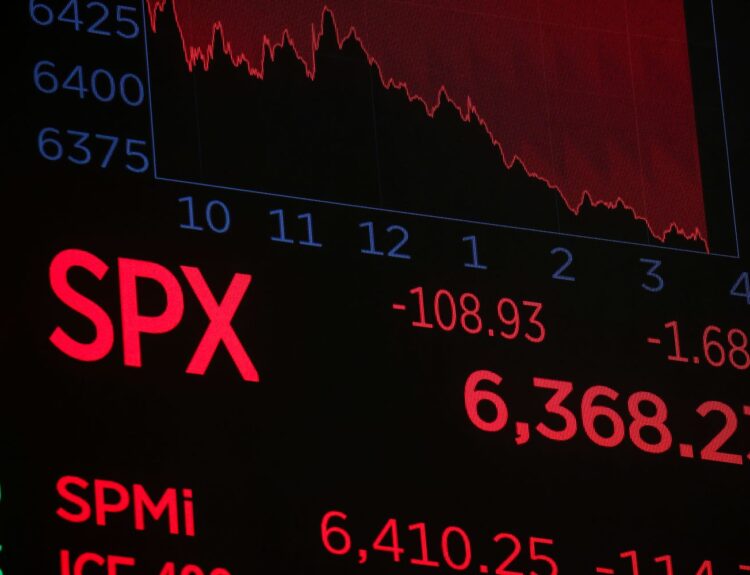
The Dow, S&P 500, and Nasdaq have all moved into negative territory for the year. The S&P 500 and Dow are down more than 5% year-to-date, while the Nasdaq has dropped around 7%, reflecting deeper weakness in tech.
Last Friday alone captured the mood. The Dow fell roughly 450 points, the S&P 500 dropped 1.5%, and the Nasdaq lost 2%. It was not a panic selloff, but a steady and persistent decline driven by macro concerns.
Investors are no longer buying dips with confidence. Instead, they are reassessing risk.
AI Trade Faces Its First Real Test
At the same time, one of the market’s biggest drivers is starting to lose momentum.
The AI trade, which powered tech stocks through 2025, is entering what analysts are calling a “show me” phase. Strong projections and ambitious spending plans are no longer enough to support valuations.
Even industry leaders are feeling the shift. NVIDIA’s bold revenue forecasts and Micron’s increased investment plans failed to lift their stocks. Instead, both declined, reflecting a broader trend where strong news is being met with selling rather than buying.
This marks a significant turning point. Investors are now demanding real, measurable returns from AI, not just future potential.
A Quiet Calendar, But High Sensitivity
The economic calendar this week is relatively light, but that does not mean markets will be calm.
Investors will closely watch key data points, especially inflation expectations and consumer sentiment later in the week. Reports on manufacturing and labor market conditions will also provide important clues about the health of the economy.
With the Fed in a “wait and see” mode, even small surprises in the data could have outsized effects on market expectations.
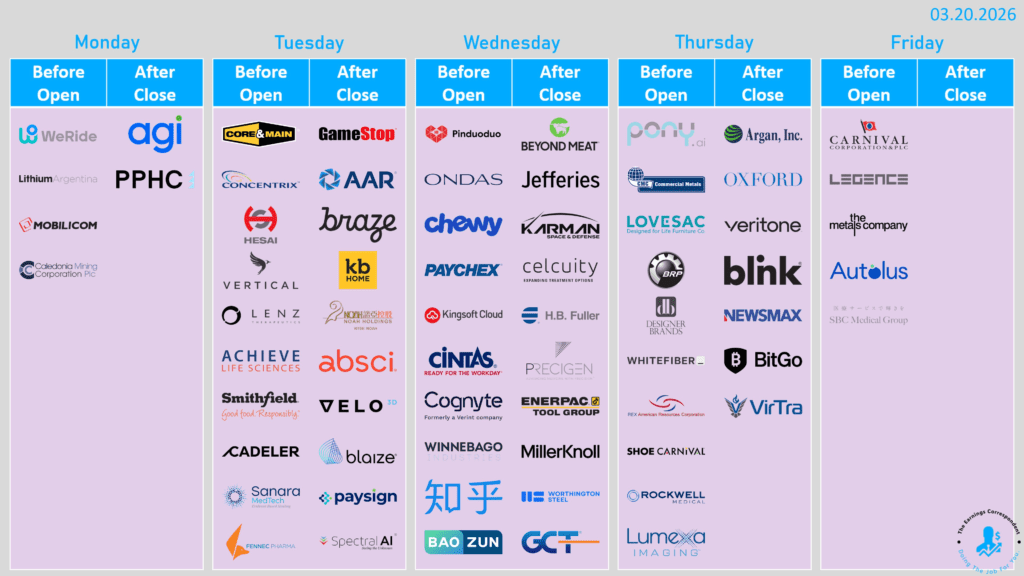
Corporate earnings will play a secondary role, with results from companies like Jefferies and Carnival offering insight into financial conditions and consumer demand.
Everything Is Connected Now
What makes this week particularly important is how interconnected everything has become.
The war is driving oil.
Oil is driving inflation expectations.
Inflation is shaping Fed policy.
Fed policy is moving markets.
At the same time, the AI trade is being tested, adding another layer of uncertainty to an already fragile environment.
Markets are no longer operating in a simple cycle. They are reacting to a complex mix of geopolitics, macroeconomics, and shifting investor expectations.
If the war escalates further and oil continues to rise, inflation fears could intensify, forcing the Fed into a more hawkish stance and putting additional pressure on stocks.
If tensions ease and data begins to soften, the outlook could stabilize quickly. For now, investors are entering the week with one key question:
Is this the start of a deeper downturn, or just a temporary shock the market can absorb?
Disclosure: This article does not represent investment advice. The content and materials featured on this page are for educational purposes only.