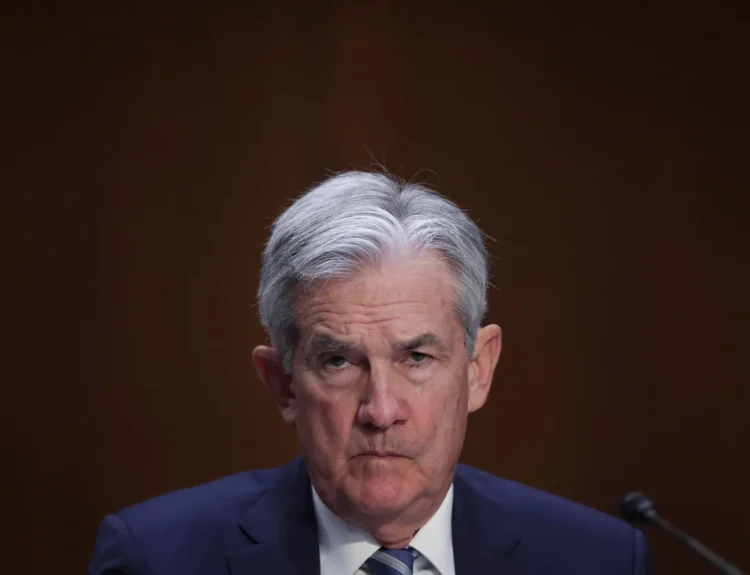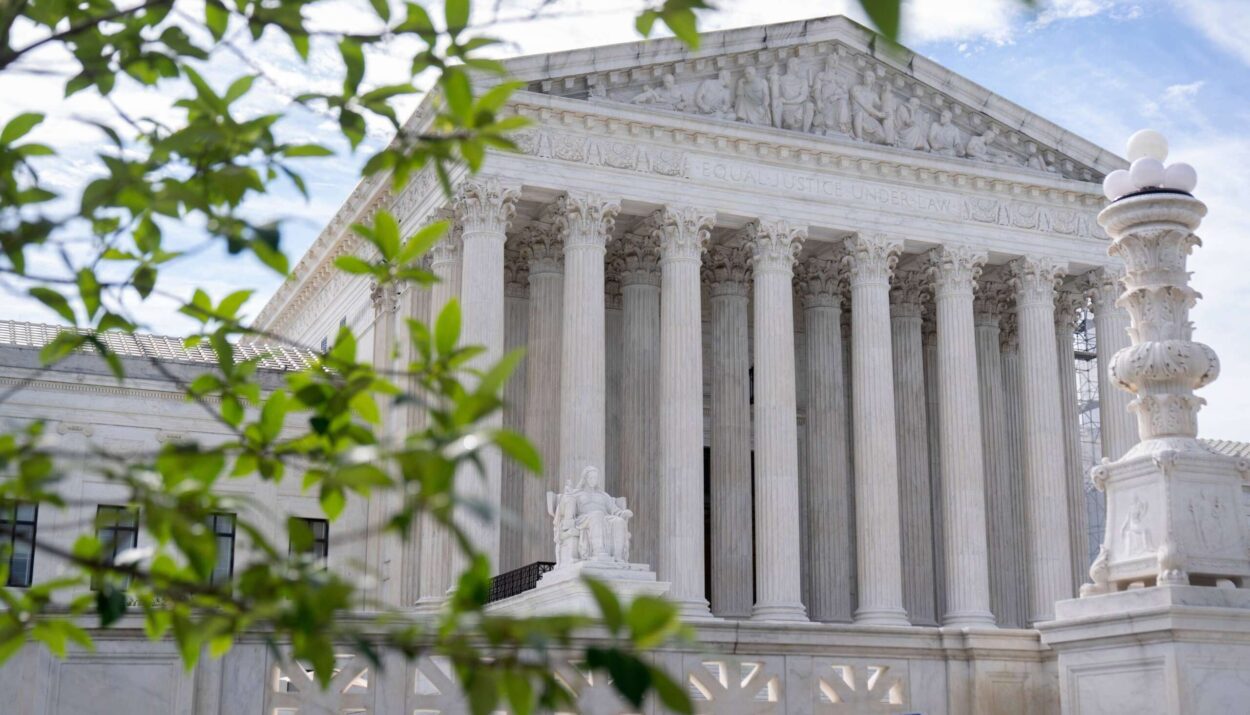

The Supreme Court’s conservative majority appears ready to expand Donald Trump’s power to fire independent agency heads, but may stop short of letting him control the Federal Reserve.
- The Lisa Cook case, set for arguments on January 21, could decide whether Trump can dismiss a sitting Federal Reserve governor.
- The Court has already allowed him to remove other officials, such as FTC Commissioner Rebecca Slaughter, signaling a broader rollback of agency independence.
- But several justices, including Brett Kavanaugh, have hinted that the Fed’s unique role in managing the economy deserves protection from political influence.
More about: Fed Powell Cuts Again: Here is why

Trump’s Push to Fire a Fed Governor
In August, President Trump moved to fire Fed Governor Lisa Cook, alleging mortgage fraud, a charge she denied and called a pretext to silence her monetary policy stance. The move triggered a constitutional clash between the executive branch and the traditionally independent Federal Reserve.
Trump argues that presidents should have authority over all federal officials, while critics warn that politicising the Fed could destabilise global markets.
The Court’s Conservative Lean
The Supreme Court, now with a 6–3 conservative majority, has repeatedly backed Trump’s executive authority in other disputes, from immigration to federal layoffs.
In the Slaughter case argued on December 8, conservative justices signalled they would likely uphold Trump’s right to fire FTC commissioners, striking down a 1914 law that limits such removals to “inefficiency or malfeasance.”
But the Fed may prove different. The justices’ earlier rulings emphasised that the central bank “is a uniquely structured, quasi-private entity” rooted in America’s early banking traditions, a phrasing that could preserve its independence.
Fed Seen as ‘Special’
Justice Brett Kavanaugh has long defended the idea that the Fed must remain insulated from presidential control.
In a 2009 article, he wrote that some agencies, like the Federal Reserve Board, “may be worthwhile to insulate… from direct presidential oversight.”
During recent oral arguments, Kavanaugh directly asked Trump’s solicitor general whether their legal theory would put the Fed’s autonomy “on the chopping block.”
Solicitor General John Sauer assured the Court that Trump’s case against Cook is about misconduct, not policy, implying the administration won’t challenge Fed independence head-on.
What’s at Stake
Legal scholars say the Court’s upcoming decision could define the limits of presidential power for decades.
Peter Margulies, law professor at Roger Williams University, said the Court “clearly sees the Fed as special” and views independence as “crucial to a workable government.”
However, not all agree. Andrea Katz of Washington University argued that the so-called “Fed carve-out” lacks solid legal grounding. “A preference for Fed independence is somehow assumed by Kavanaugh,” she said, “but not explained.”
A ruling granting Trump authority over the Fed would unsettle investors and threaten global confidence in US monetary policy. Even a narrow decision protecting the Fed could mark the beginning of a new judicial framework, one that redefines which institutions remain truly independent in Washington’s shifting balance of power.
Disclosure: This article does not represent investment advice. The content and materials featured on this page are for educational purposes only.
Related: US Treasury’s Bessent: AI Will Be the Single Biggest Driver of Economic Growth
AI Fears Spark Rotation Away from Big Tech: Markets Find New Leaders