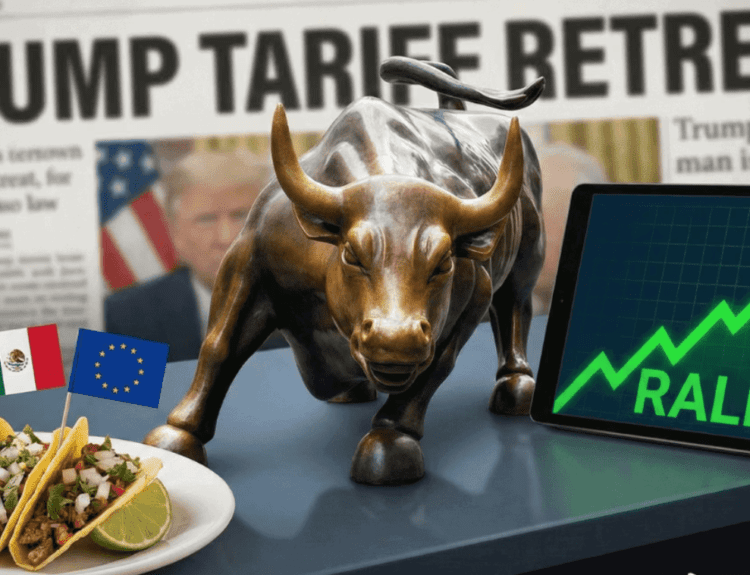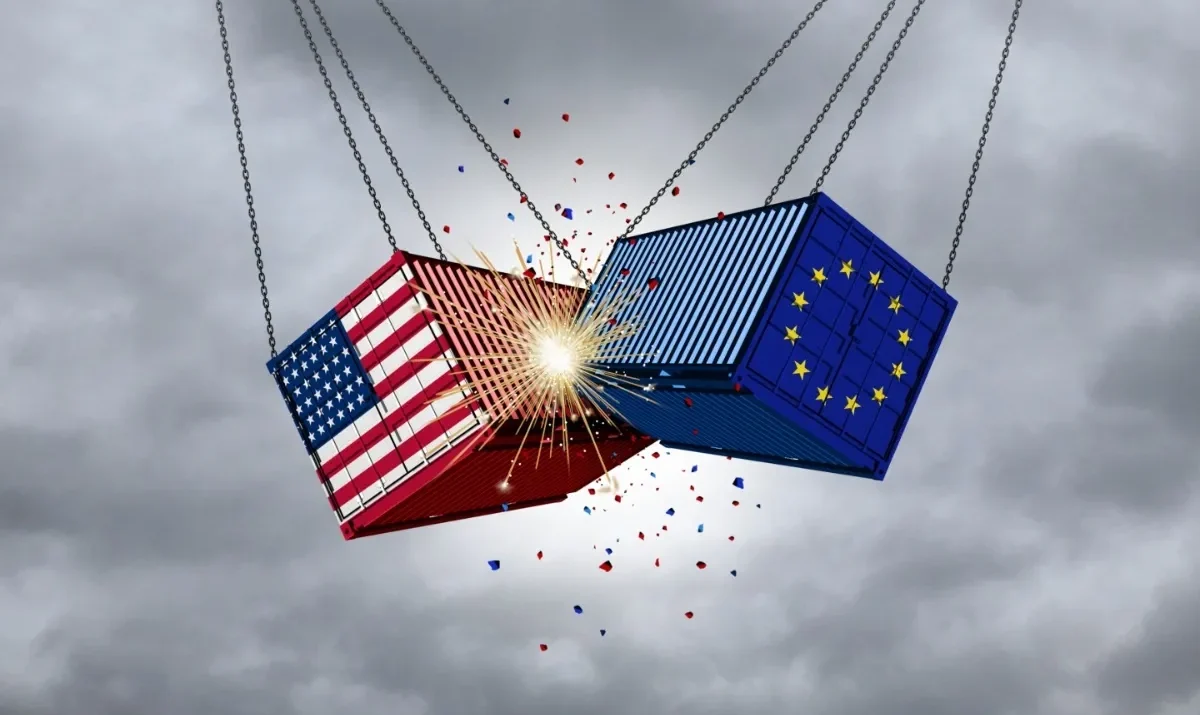

President Donald Trump has escalated tensions with Europe after threatening sweeping tariffs against countries that oppose his bid to gain control of Greenland, prompting the European Union to consider deploying its most powerful trade retaliation tool.
In messages sent to European leaders, Trump warned that nations resisting US control of Greenland could face tariffs of 10 percent starting February 1, rising to 25 percent by June, unless a deal is reached for what he called the “complete and total purchase” of the Arctic island.
Norway confirmed that Prime Minister Jonas Gahr Støre received a letter from Trump linking Oslo’s stance on Greenland to Norway’s refusal to award him the Nobel Peace Prize. Trump wrote that the world “is not secure unless we have complete and total control of Greenland,” citing concerns over Russia and China.
More about: Why Trump Wants Greenland and Why the White House Calls It a National Security Priority
Europe Moves Toward Retaliation
European leaders responded cautiously, stressing diplomacy first but warning they are prepared to act. Eight countries targeted by Trump including Denmark, France, Germany, the UK and Sweden issued a joint statement pledging solidarity with Greenland and rejecting tariff pressure.
European Commission officials said the bloc has “tools at its disposal” if tariffs are imposed. Behind closed doors, leaders are now discussing whether to activate the Anti-Coercion Instrument, known as the EU’s “trade bazooka.”
What Is the Trade Bazooka
The Anti-Coercion Instrument allows the EU to go beyond tariffs on goods and strike at services, investment and access to the EU market. Measures could include:
- Heavy tariffs and customs charges
- Restrictions on US services and technology firms
- Limits on US investment and public contracts
- Financial market constraints on US banks and firms
The tool has never been used and would require approval from a majority of EU member states, a process that could take months.
High Stakes for Both Sides
The EU runs a large trade surplus in goods with the US but the US dominates in services, especially technology, finance and intellectual property. Analysts say targeting US tech and financial firms could be particularly damaging to Washington.
Still, European leaders fear a trade war would hurt both economies. UK Prime Minister Keir Starmer said tariffs on allies are “completely wrong” but warned that escalation benefits no one. German Chancellor Friedrich Merz urged dialogue, saying Europe wants to avoid any spiral of retaliation.
Greenland at the Center
Trump’s renewed push is driven by both security and minerals. Greenland’s location is key for Arctic defense and shipping routes, while its rare earth reserves are increasingly valuable as the US seeks alternatives to Chinese supply chains.
Denmark and Greenland have repeatedly said the territory is not for sale. Protests on the island have rejected any US takeover.
For now, Europe is holding back. But with tariffs looming, the prospect of the EU unleashing its economic “bazooka” has moved from theory to a real possibility in a fast-escalating transatlantic standoff.
More about: How Greenland’s Rare Earth Reserves Compare to the Rest of the World