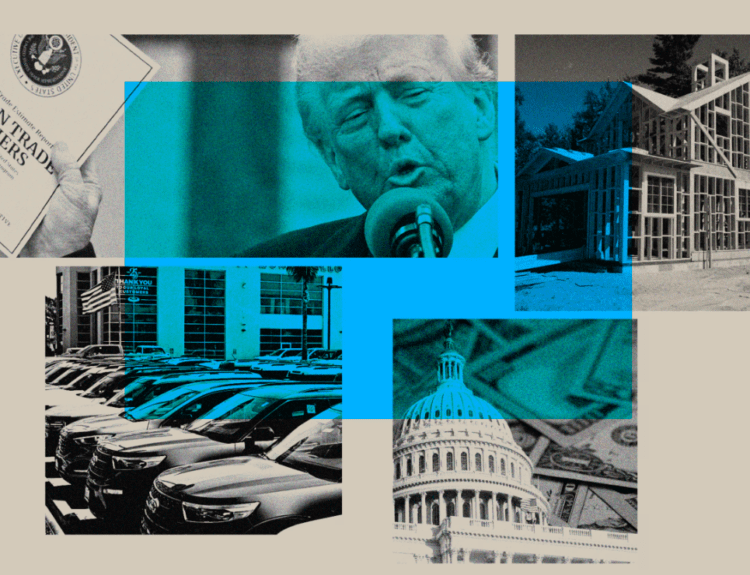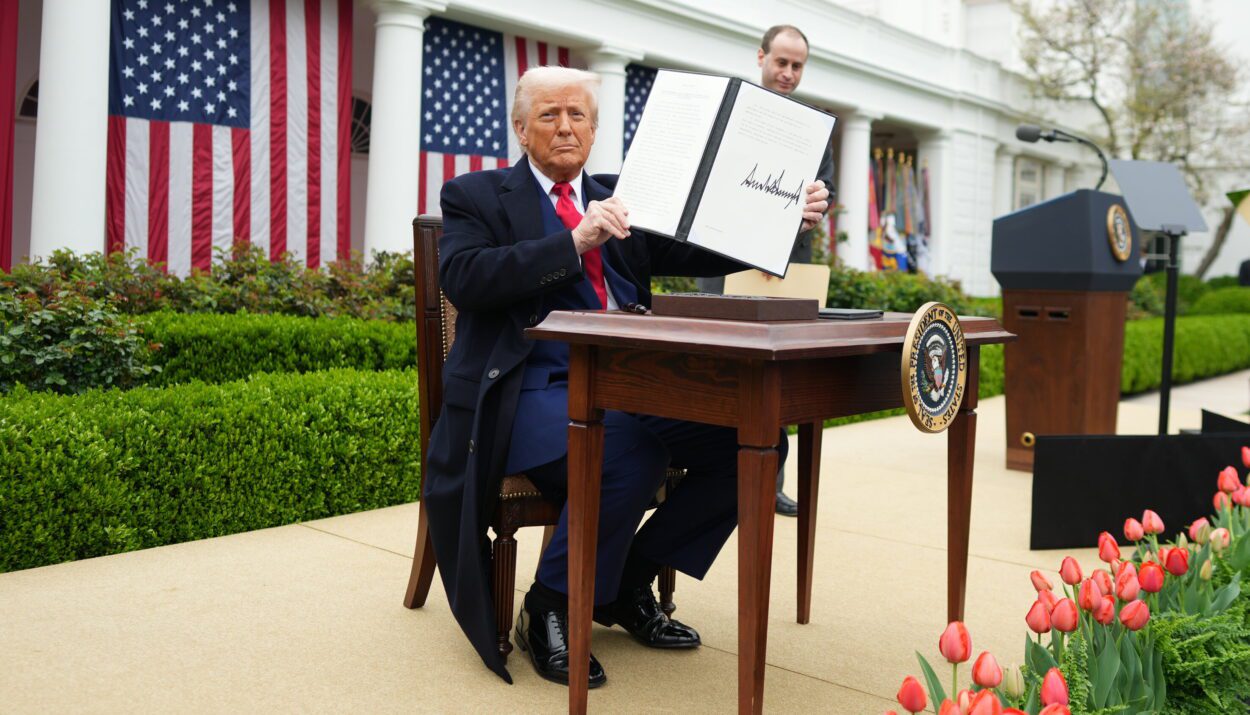

The Supreme Court of the United States ruled that Donald Trump cannot legally use emergency powers to impose sweeping reciprocal tariffs, derailing a central pillar of his trade agenda. The decision targets some of the additional duties introduced after last year’s “Liberation Day” tariff rollout.
What the Ruling Changes
The judgment could cut the average tariff rate faced by exporters selling into the US from about 15% to roughly half that level. However, it does not eliminate all tariffs. Duties imposed under other legal authorities remain in place, keeping overall average rates above 6%, still about triple early-2025 levels.
Sector-specific tariffs on goods such as steel, autos, and pharmaceuticals are unaffected. That means many existing trade restrictions will continue despite the legal setback.
Why the Impact May Be Limited
Trade flows already adapted to tariffs over the past year:
- Importers shifted supply chains away from heavily taxed countries.
- Some firms absorbed costs instead of passing them to consumers.
- US tariff revenue surged to about $240 billion last year.
Because of those adjustments, inflation effects have been relatively muted and the actual average tariff paid has been closer to 11%.
Global Trade Already Changed
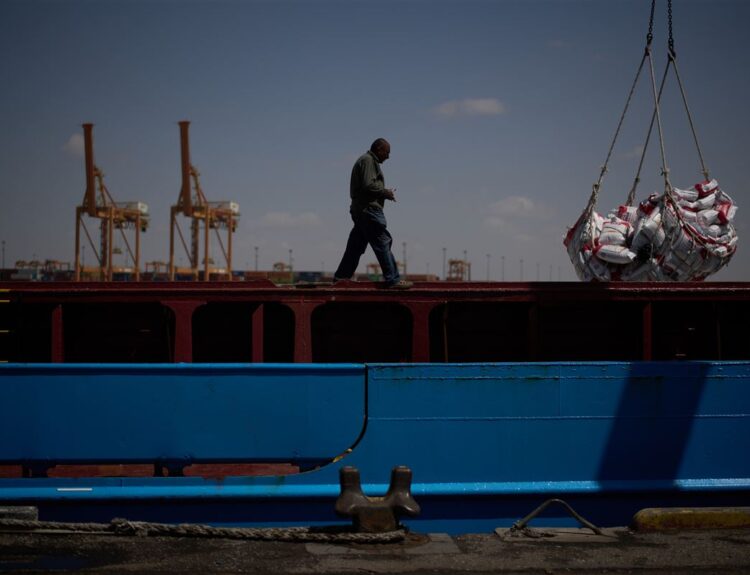
Even before the ruling, Trump’s policies had reshaped international commerce. Countries redirected trade toward new partners, while exporters like Vietnam and Thailand gained market share as US buyers reduced reliance on China. At the same time, China offset losses by boosting exports of technology hardware to the US during the AI boom and expanding trade ties with emerging markets.
The result is a world trading system that looks very different from just a year ago. In fact, global trade growth outpaced overall economic growth last year.
What Comes Next
The ruling removes one of Trump’s strongest policy tools but does not end his tariff strategy. Legal experts say alternative mechanisms exist that could allow similar tariffs, though they would take longer to implement.
That creates a window of opportunity and risk:
- Importers may rush shipments before new rules appear.
- Businesses face uncertainty over future tariff levels.
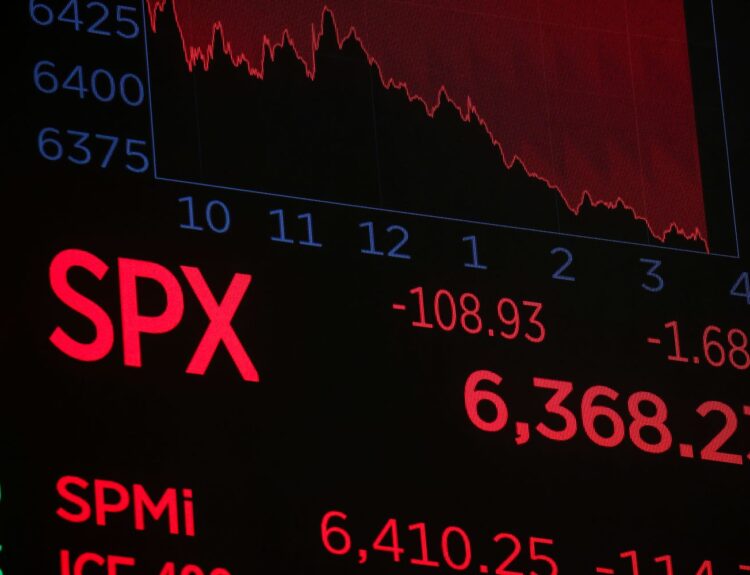
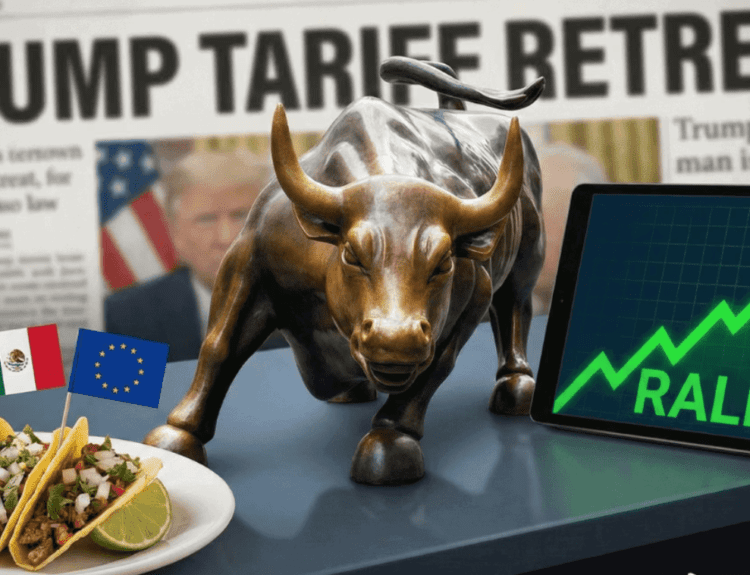
- Markets must price in shifting policy again.
The court limited Trump’s ability to impose tariffs, but it did not undo the changes already set in motion. Global trade has adapted to a more unpredictable US policy stance, and that uncertainty may now be the system’s new normal.
Disclosure: This article does not represent investment advice. The content and materials featured on this page are for educational purposes only.
Related: US trade deficit hits fresh high despite Trump’s tariffs