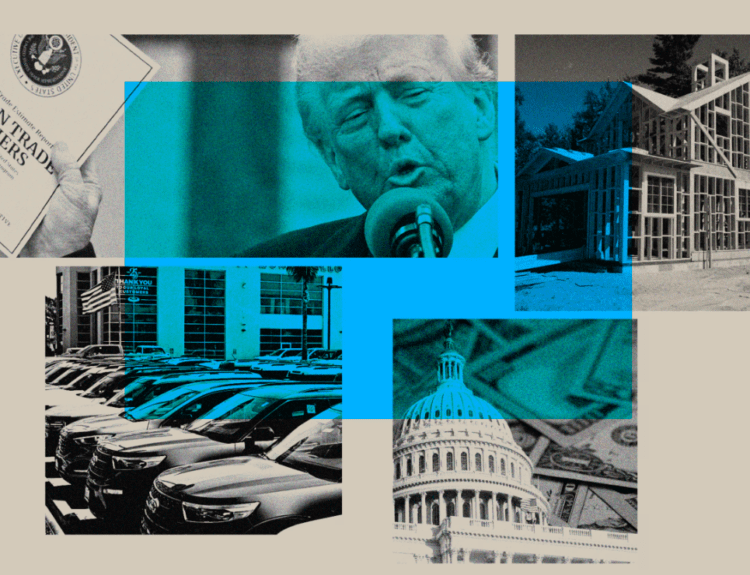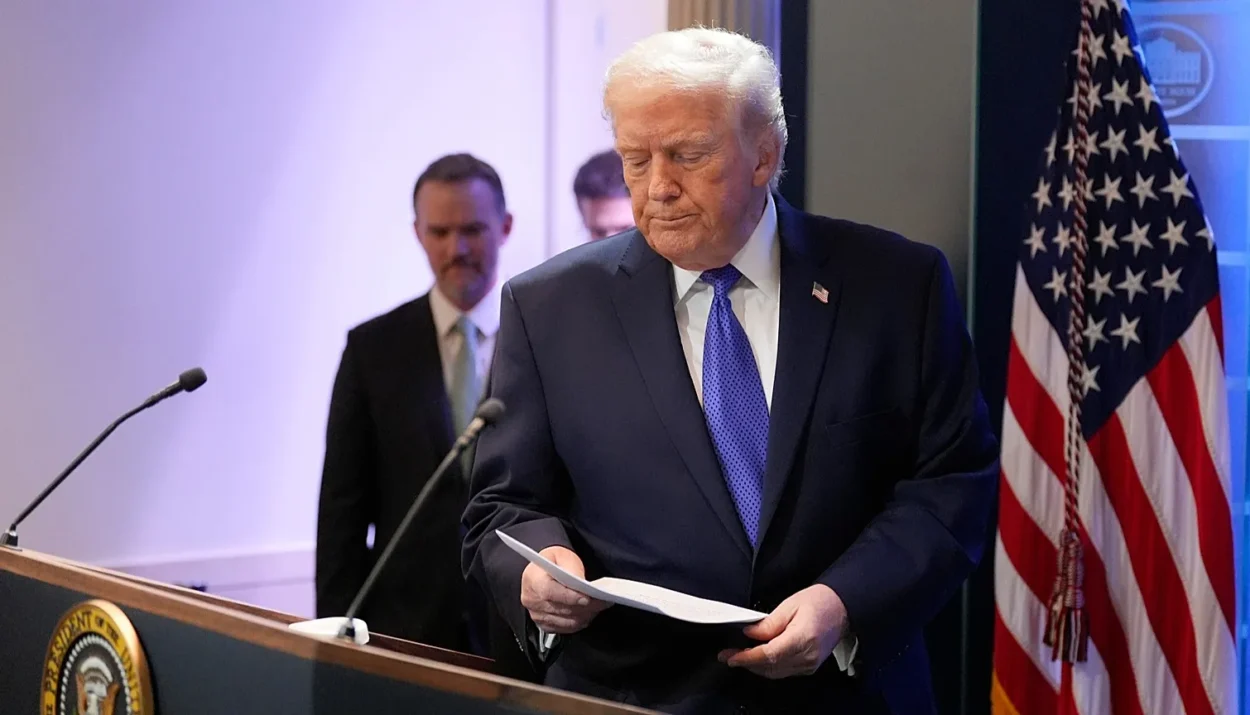

Donald Trump said he will immediately impose a 10% global tariff on imports after the US Supreme Court ruled that his sweeping duties under emergency powers exceeded presidential authority, marking a dramatic escalation in his trade strategy. (More: Trump tariffs ripped up global trade order. What now?)
The court’s 6–3 decision, led by Chief Justice John Roberts, found that the Constitution grants Congress, not the president, the power to levy taxes such as tariffs. The ruling struck down duties imposed using the International Emergency Economic Powers Act (IEEPA), a sanctions law Trump had relied on to justify broad import taxes.
Trump responded within hours, declaring he would act under different legal authorities.
“Today I will sign an order to impose a 10% global tariff under Section 122 over and above our normal tariffs already being charged.”
He insisted the ruling only blocked one method and claimed other statutes make his authority “more powerful,” citing Sections 232, 201, 301, and 122 as alternative legal paths.
Court Ruling Reshapes Trade Strategy
The decision limits the speed and scale of future tariffs:
- Section 301 allows retaliatory tariffs but typically requires investigations lasting up to 12 months.
- Section 122 permits faster action but caps duties at 15% and limits them to 150 days unless Congress approves an extension.
- National-security tariffs already in place remain unaffected, according to the administration.
Treasury Secretary Scott Bessent previously acknowledged these alternatives are less efficient and less powerful than the emergency powers Trump originally used.
Political Fallout
Trump sharply criticized the ruling and several justices, calling the decision “deeply disappointing” and accusing unnamed members of lacking courage. Vice President JD Vance also condemned the outcome, saying it showed Congress had not truly intended to give presidents authority to regulate imports.
Despite the setback, the White House signaled it will continue pursuing tariffs through other legal channels and launch new investigations into foreign trade practices.
Global and Market Impact
The ruling introduces fresh uncertainty for businesses and trading partners:
- Importers may rush shipments during the limited window before new tariffs fully take effect.
- Companies face unpredictable policy shifts as alternative legal routes are tested.
- Analysts warn that repeated changes could reshape supply chains and trade alliances.
Even before the decision, Trump’s tariff campaign had already altered global trade flows, pushing some countries to deepen ties with new partners while reducing reliance on US markets.
The court removed one of Trump’s strongest trade tools, but his immediate move to impose a temporary global tariff signals the broader tariff strategy is far from over.
Disclosure: This article does not represent investment advice. The content and materials featured on this page are for educational purposes only.