
Davos has opened with a very different mood this year: less “global cooperation,” more Greenland, tariffs, and market jitters, just as President Donald Trump is set to arrive and speak on Wednesday.
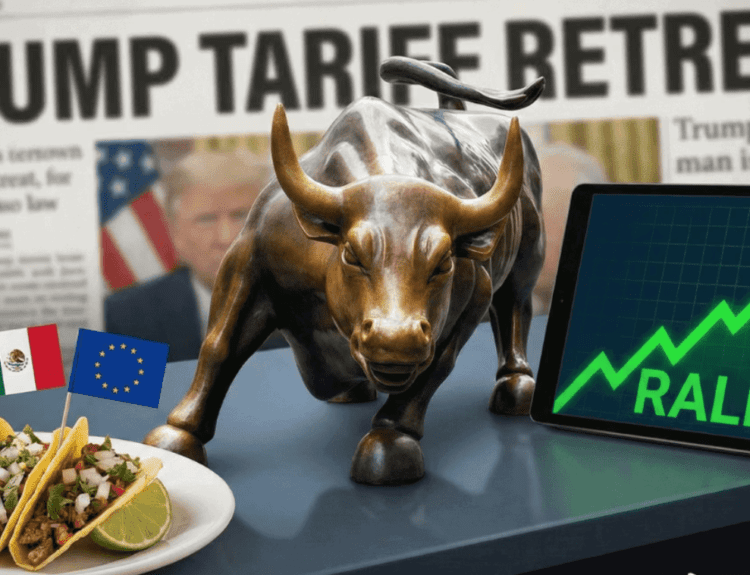
Inside the conference halls, executives and officials are watching two fronts at once. First is Trump’s renewed push around Greenland and his warning that countries opposing the move could face tariffs. Second is the market reaction, with investors suddenly revisiting the idea of “sell America” risk as trade tensions rise.
Greenland and tariffs are now the Davos headline
Trump’s tariff threats tied to Greenland have pushed European leaders into emergency-mode coordination, with talk in Brussels about stronger countermeasures beyond standard tariffs. The topic is dominating side meetings and CEO chatter because it combines geopolitics, trade, and security in one unpredictable package.
More about: Trump’s Greenland tariffs: What’s Europe’s ‘trade bazooka’ option to hit back?
Markets respond: stocks drop, dollar weakens, gold pops
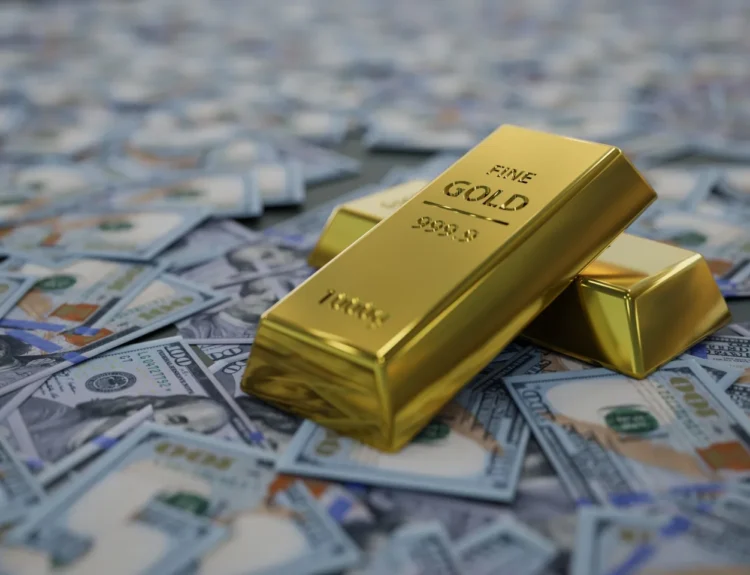
After US markets reopened, stocks slid and volatility picked up, while the dollar weakened and gold held near record levels, a classic “risk-off” mix. In US trading, the S&P 500 pulled back sharply from recent highs as investors processed the tariff escalation and broader uncertainty.
Davos tries to defend its purpose
At the same time, Davos is also having an identity moment. Organizers and top business figures are stressing that “dialogue” still matters, but the big magnet this year is AI and national industrial strategy, not soft diplomacy.
Davos 2026 is shaping up to be a mix of Trump-driven geopolitics, tariff math, and an AI power summit, with markets acting like they believe the risks just got more real.