


As 2026 begins, global businesses are stepping into a world where geopolitics is no longer a side risk. It is front and center. Trade, technology, elections, and even artificial intelligence are now deeply tied to political power plays, and companies that ignore this reality do so at their own risk.
The big question is simple: where does the next shock come from?
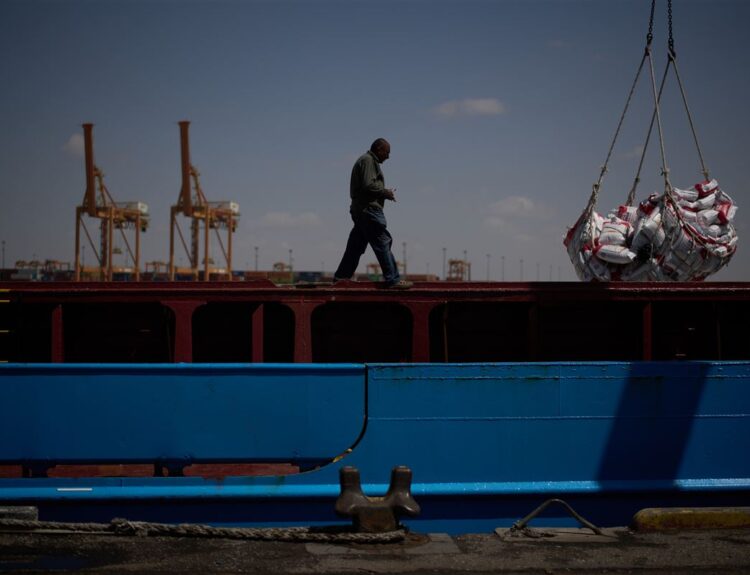
One place to watch closely is the growing tension between the European Union and China. For years, Europe tried to balance cooperation with caution. That balance is getting harder to maintain. Chinese exports to the EU keep rising, while European manufacturers feel increasing pressure from lower-cost, state-supported competitors.
The electric vehicle market shows this shift clearly. Chinese EV makers are moving fast, flooding global markets with cheaper models backed by massive industrial scale. European automakers, burdened by higher costs and political uncertainty around the green transition, are struggling to keep up. That raises an uncomfortable question for Brussels: protect local industry or keep markets open? In 2026, that debate may finally turn into action through tariffs or trade defenses.
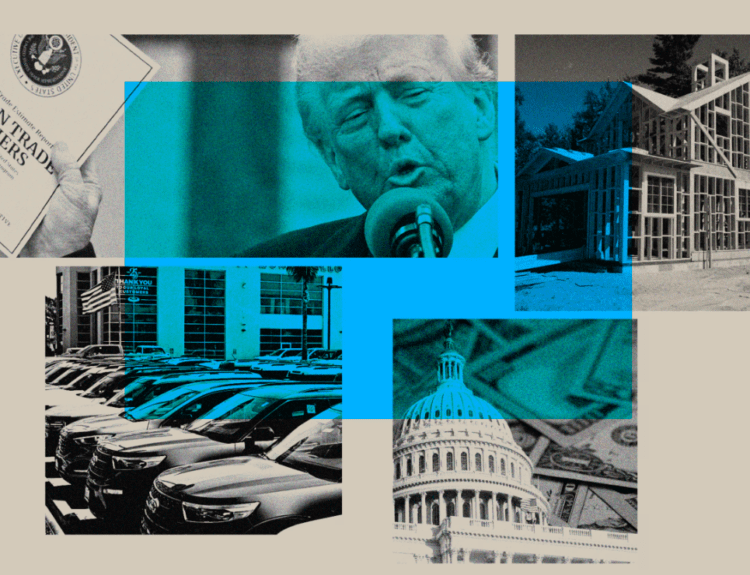
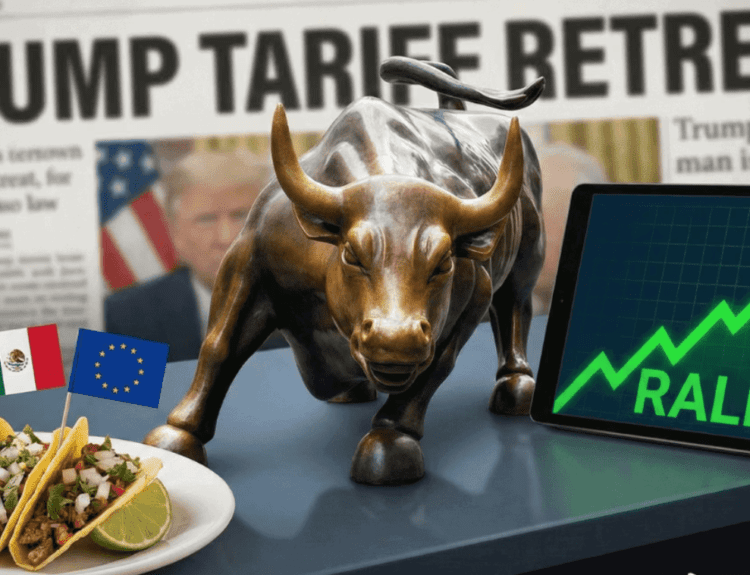
Across the Atlantic, calm relations between Europe and the United States look fragile at best. With Donald Trump back in the White House, volatility has returned as the default setting. Trade truces may exist on paper, but businesses know better than to assume stability will last.
The most explosive area is digital regulation. Europe’s push to regulate data, competition, and AI clashes directly with US tech interests. If negotiations fail, digital policy could quickly turn into a full-blown trade fight, dragging major companies into the middle.
Politics itself adds another layer of uncertainty. In the US, upcoming elections will determine how freely the administration can pursue aggressive economic and foreign policies. In Europe, attention is quietly turning to Hungary. A political shift there, while still uncertain, could remove one of the EU’s most disruptive internal voices and reshape decision-making inside the bloc.
Elsewhere, elections in Brazil may offer rare stability at a time when commodity markets remain highly sensitive to political shocks. For investors, predictability is becoming a luxury.
Then there is Europe’s neighborhood, often described as a ring of instability. Conflicts in Sudan, Gaza, and Syria remain unresolved. The Sahel continues to fragment. And the war in Ukraine grinds on, with Western support looking less certain than it once did. These are not distant problems. They affect energy prices, migration flows, and regional security, all of which feed directly into business costs and risk planning.
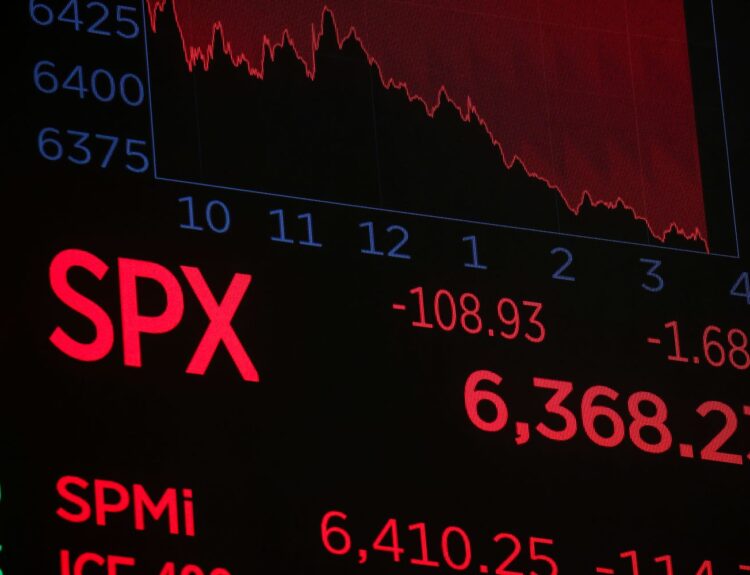
At the same time, markets are facing another uncomfortable question: has the AI boom gone too far? Capital has poured into artificial intelligence at a historic pace. Valuations are stretched. Expectations are sky-high. If reality fails to catch up in 2026, a correction could ripple far beyond tech stocks, hitting credit markets and global supply chains. With debt levels already elevated, policymakers may have less room to step in than during past market shocks.
Put all this together, and one thing becomes clear. 2026 is not about a single risk. It is about multiple risks colliding at once.
Trade disputes, political shifts, regional conflicts, and potential market corrections are increasingly connected. For global businesses, the goal is no longer prediction. It is resilience.
The companies that invest early in understanding geopolitical signals, diversify their exposure, and stay flexible will have an edge. Those that assume stability will return on its own may find themselves reacting too late.
The world is changing fast. 2026 will reward those who are paying attention.
Disclosure: This article does not represent investment advice. The content and materials featured on this page are for educational purposes only.