
A surge in oil prices and deepening geopolitical uncertainty have pushed the Nasdaq into correction territory, marking a sharp shift in market sentiment.
US stocks fell sharply as the ongoing Iran conflict continues to rattle global markets, with the Nasdaq dropping more than 2% in a single session and officially entering a correction, now down over 10% from its recent peak.
The broader market followed the same direction. The S&P 500 lost 1.74%, while the Dow Jones declined 1.01%, as investors moved away from risk assets and into safer positions.
War and Oil Are Driving Everything
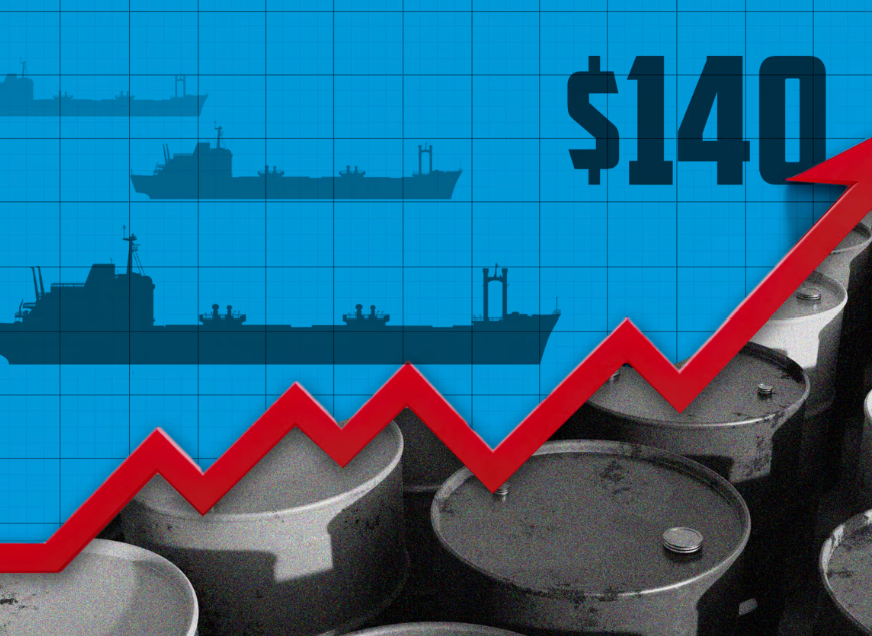
The main catalyst behind the selloff is the escalating conflict between the US and Iran. Oil prices surged again:
- US crude up 4.6%
- Brent crude up 5.7%
The near shutdown of the Strait of Hormuz, one of the world’s most critical oil routes, has intensified fears of prolonged supply disruption and higher inflation.
At the same time, mixed signals from political leaders, including threats of escalation followed by temporary pauses, have created what analysts describe as a “fog of war” environment.
“There’s a lot of conflicting signals… it’s really the uncertainty that’s driving this,” one strategist noted.
Tech Stocks Lead the Decline
Technology and communication stocks were among the hardest hit:
- Tech sector down 2.7%
- Communication services down 3.5%
- Semiconductor index plunged 4.8%
- Nvidia dropped more than 4%
Big Tech names like Meta and Alphabet also fell sharply after legal setbacks added pressure on top of macro concerns.
This highlights a broader trend: growth stocks are becoming increasingly vulnerable in a higher-rate, higher-inflation environment.
Energy and Defensive Stocks Stand Out
Not all sectors declined.
- Energy stocks rose 1.6%
- Utilities, a defensive sector, also posted gains
This reflects a clear market rotation:
- Out of tech and growth
- Into energy and safer assets
Investors are repositioning portfolios to adapt to a world shaped by geopolitical risk and inflation shocks.
Global Growth Concerns Are Rising
The impact is not limited to markets. The OECD warned that the Iran conflict is already erasing expectations for stronger global growth, as higher energy costs ripple through the global economy.
At the same time:
- Inflation risks are increasing
- Central banks are under pressure
- Rate cuts are no longer expected in the near term
What This Means for Markets
The Nasdaq’s correction is more than a technical signal. It reflects a deeper shift:
- From optimism to caution
- From growth to defense
- From rate cuts to uncertainty
Analysts warn that if conditions persist, the S&P 500 could follow the Nasdaq into correction territory. Markets are now being driven by one dominant force:
Geopolitical uncertainty. If the Iran conflict escalates further:
- Oil prices could rise again
- Inflation could stay elevated
- Stocks could face deeper declines
If tensions ease, Markets could stabilise quickly
For now, investors are navigating a market where: Uncertainty, not fundamentals, is setting the direction.
Disclosure: This article does not represent investment advice. The content and materials featured on this page are for educational purposes only.