


Canada’s Prime Minister Mark Carney is laying out a clear strategy for a more unstable world: middle-sized countries must cooperate more closely if they want to protect their economies, sovereignty, and political independence.
Speaking at the World Economic Forum in Davos, Carney warned that the era of US-led global order is fading. In its place, he sees a world shaped by aggressive great-power rivalry, where economic pressure, tariffs, and political leverage are increasingly used as tools of influence.
Carney’s message was blunt. Countries that sit between global giants cannot afford to stay passive. If they are not actively shaping alliances and trade relationships, they risk being dictated to by larger powers.
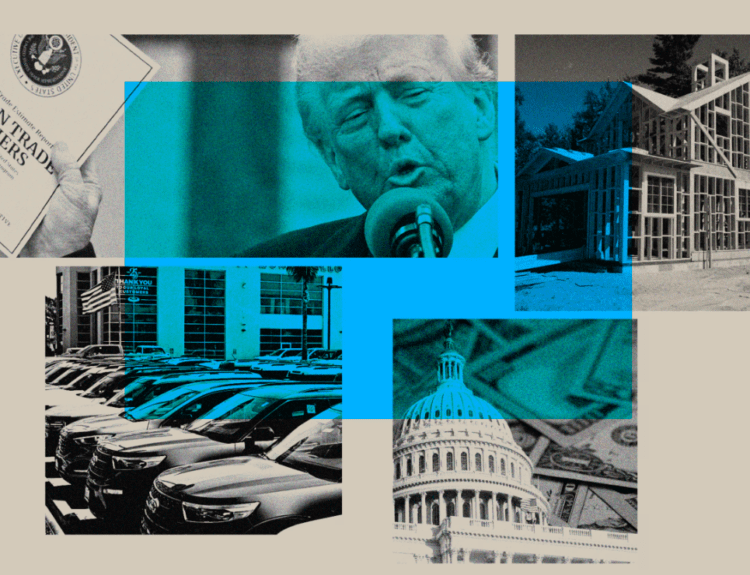
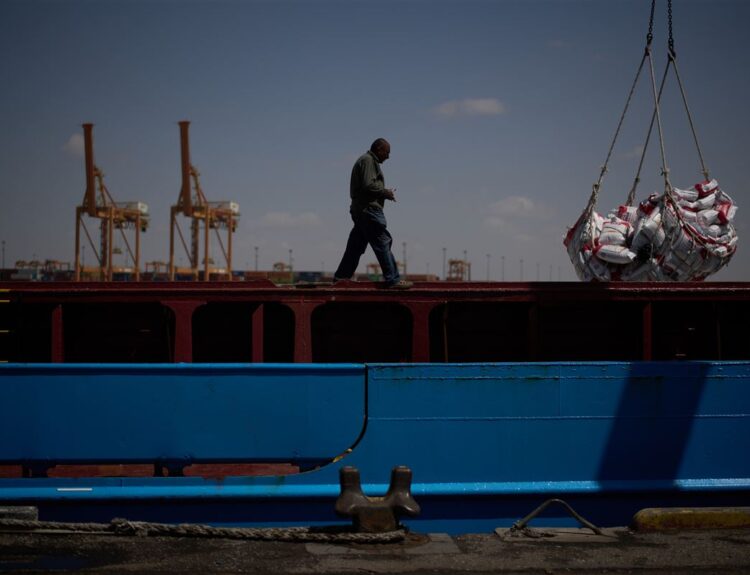
His comments came amid rising tensions with Donald Trump, who has threatened tariffs, questioned Greenland’s sovereignty, and suggested Canada’s economy depends entirely on the US. Canada already sends roughly three-quarters of its exports south of the border, making it especially vulnerable to shifts in US policy.

To reduce that dependence, Carney is accelerating outreach beyond Washington. Canada has deepened ties with Europe, engaged China on limited trade issues, and expanded relationships in the Middle East. The goal is not to replace the US, but to avoid relying on a single partner for economic survival.
At the heart of Carney’s argument is a balance. He supports global trade and cooperation, but says national autonomy must be protected when economic integration becomes a source of political risk. In his words, cooperation among middle powers is no longer optional; it is a requirement for survival.
Not everyone at home is convinced. Critics argue that Carney’s global focus risks overlooking domestic challenges, such as housing affordability and living costs. With a minority government, his ability to deliver results quickly also remains uncertain.
Still, Carney’s strategy reflects a broader shift taking place worldwide. As geopolitical pressure intensifies and alliances become more transactional, countries like Canada are reassessing their strategies to remain relevant, resilient, and independent.
Carney is betting that strength in numbers is the only realistic defence for middle powers in a world dominated by increasingly aggressive superpowers.
Disclosure: This article does not represent investment advice. The content and materials featured on this page are for educational purposes only.
Related: Canada Backs Away From China Trade Deal After Trump’s Tariff Threat
China and Canada Agree to Tariff Relief After Carney–Xi Meeting