
A 23-year-old designer has turned TikTok into a career launchpad and possibly a blueprint for how legacy fashion brands reinvent themselves in the digital era.
Alexei Hamblin, a self-taught designer and content creator, began posting a video series in 2025, imagining how he would revive “dead” sports brands he found inside Sports Direct stores. In his clips, he openly described some items as “boring” and “tacky PE kit.”
Instead of backlash, he caught the attention of Frasers Group, the owner of Sports Direct. The company invited him to present his ideas in person. What began as criticism on social media turned into a consulting role. Hamblin is now helping reinvent Slazenger, one of Britain’s oldest sportswear names.
Reviving a Heritage Brand
Founded in 1881, Slazenger became a major name in tennis and golf and was appointed official ball supplier to Wimbledon in 1902. Hamblin says the brand has a strong history but a weak connection with Gen Z consumers who do not understand what it stands for today.
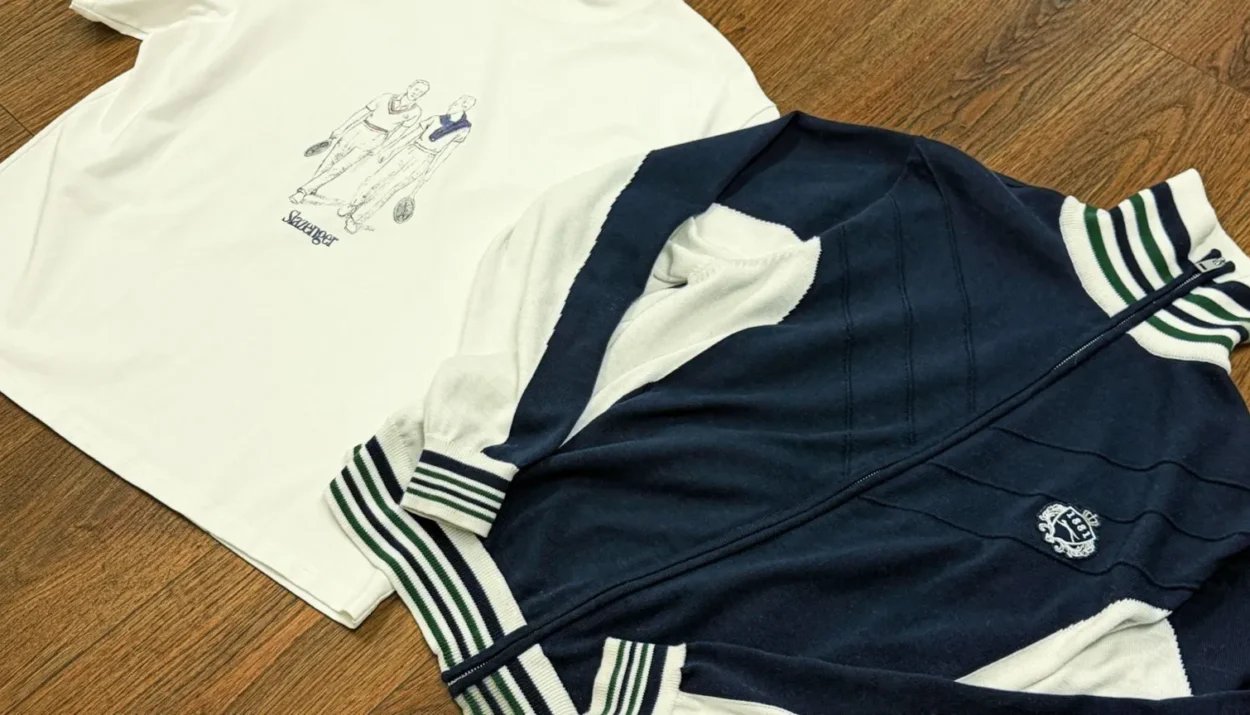
His solution is a “premium sportswear-inspired fashion” sub-line launching this spring.
He insists the goal is not to remove affordability. The new premium range will sit alongside the traditional lower-priced items.
“I wouldn’t want to take away the everyman, working-class accessibility of the brand,” he says.
Instead, he wants to give Slazenger a modern identity while keeping its heritage visible.

From Bedroom Designer to Boardroom
Hamblin never attended fashion school. He taught himself digital tools like Photoshop and started sharing design concepts online. He later freelanced for clothing brands and launched his own label in 2021.
He believes his age played a role in landing the opportunity.
“I am Gen Z. I know how we consume. I know what we like and what we do not like.”
He argues that many boardrooms lack this generational insight.
Are Creators Replacing Traditional Gatekeepers?
Fashion journalist Renee Washington says content creators now have a “big impact” on the industry.
“You do not need to sit front row at Fashion Week anymore,” she explains. Social media allows creators to shape taste from their bedrooms.
She says trends that once took an entire season to develop now evolve in 48 hours.
However, she adds that creators cannot fully replace legacy institutions. Traditional fashion platforms still hold authority built on credibility, consistency and history.
She also warns that brand revamps only succeed if they feel authentic. One TikTok series alone cannot permanently change a brand.
The Fast Fashion Dilemma
The speed of social media has accelerated trend cycles. That creates another problem. Tens of millions of clothing items are discarded each year. Many fast fashion pieces use synthetic fabrics that are difficult to recycle. Environmental damage and labor concerns remain unresolved.
Hamblin admits that social media may have accelerated trends too quickly, contributing to overconsumption. Still, he believes platforms like TikTok are hugely valuable for young creatives trying to gain visibility.
He has documented the Slazenger redesign process publicly, sharing sketches, mock-ups and feedback discussions with followers. This transparency has helped build a new audience around the brand.
A Shift in How Talent Is Discovered
Hamblin’s journey raises a bigger question.
Are traditional CVs becoming less important than public creative portfolios on social media?
Brands are clearly watching TikTok not just for marketing trends, but for new talent.
What started as public criticism evolved into collaboration. For legacy brands searching for relevance, TikTok may be less a threat and more a testing ground for reinvention.
Related: Will the US TikTok deal make it safer but less relevant?