
Europe is once again confronting the risks of relying heavily on foreign energy, as geopolitical tensions highlight how easily major powers can weaponise resources.
The European Union imports 58% of its energy needs, up from 50% in 1990, according to Federal Reserve analysis. By comparison, China imports about 24% of its energy and India about 37%, based on International Energy Agency data. Despite lower dependence, Beijing still sees energy security as a strategic priority, stockpiling oil and investing heavily in domestic renewables.
Europe’s vulnerability became clear in 2022, when Russia cut pipeline gas flows after the war in Ukraine began. Energy prices surged, and the EU spent the equivalent of 3.8% of GDP on energy imports that year, according to European Commission data.
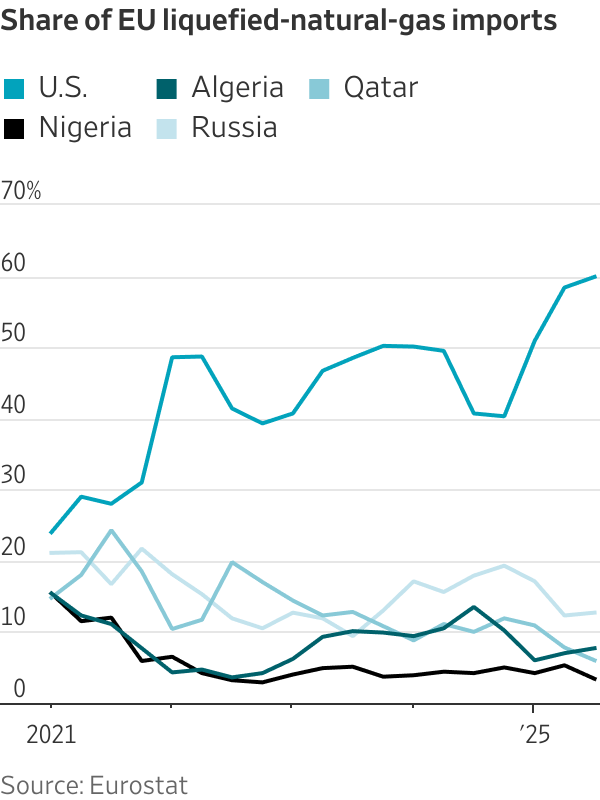
Since then, Europe has shifted away from Russian gas and deepened its reliance on the United States. America’s share of EU liquefied natural gas imports jumped to 60% in the third quarter of last year, up from 28% in the same period of 2021.
At the time, importing US LNG was the fastest way to stabilize supplies. But recent political tensions, including President Trump’s comments about Greenland and tariff threats, have unsettled European leaders. Analysts say policymakers are increasingly concerned about replacing one dependency with another.
If Europe accelerates its transition to solar and wind power, much of the equipment would likely come from China, the dominant global supplier of clean-energy technology. That creates another dilemma, as some US officials warn that relying on Chinese-made infrastructure could pose security risks.
At the same time, Europe faces economic pressure to cut energy costs. According to the European Commission, businesses in the EU pay roughly twice as much for electricity as companies in the US, undermining competitiveness.
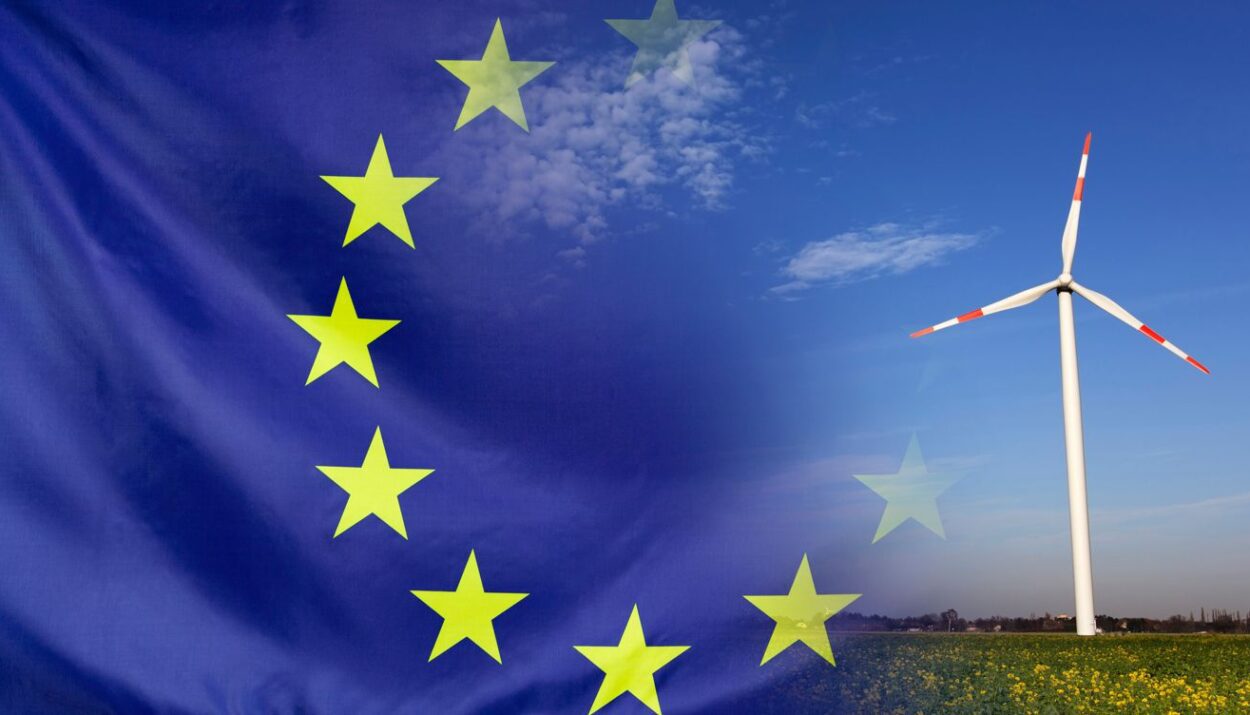
There are signs of progress. Last year, wind and solar generated more electricity than fossil fuels in Europe for the first time, marking a major shift in the region’s energy mix. Several countries have also agreed to develop a massive North Sea offshore wind project capable of producing up to 100 gigawatts of power.
Despite ongoing debates over supply chains and geopolitical alignment, many analysts argue that expanding domestic renewable energy may be Europe’s best path forward, both to reduce costs and to avoid future energy shocks driven by global power struggles.
Related: Euro zone investor morale rises sharply in February
Betting on Europe During Trump’s Second Term
Disclosure: This article does not represent investment advice. The content and materials featured on this page are for educational purposes only.