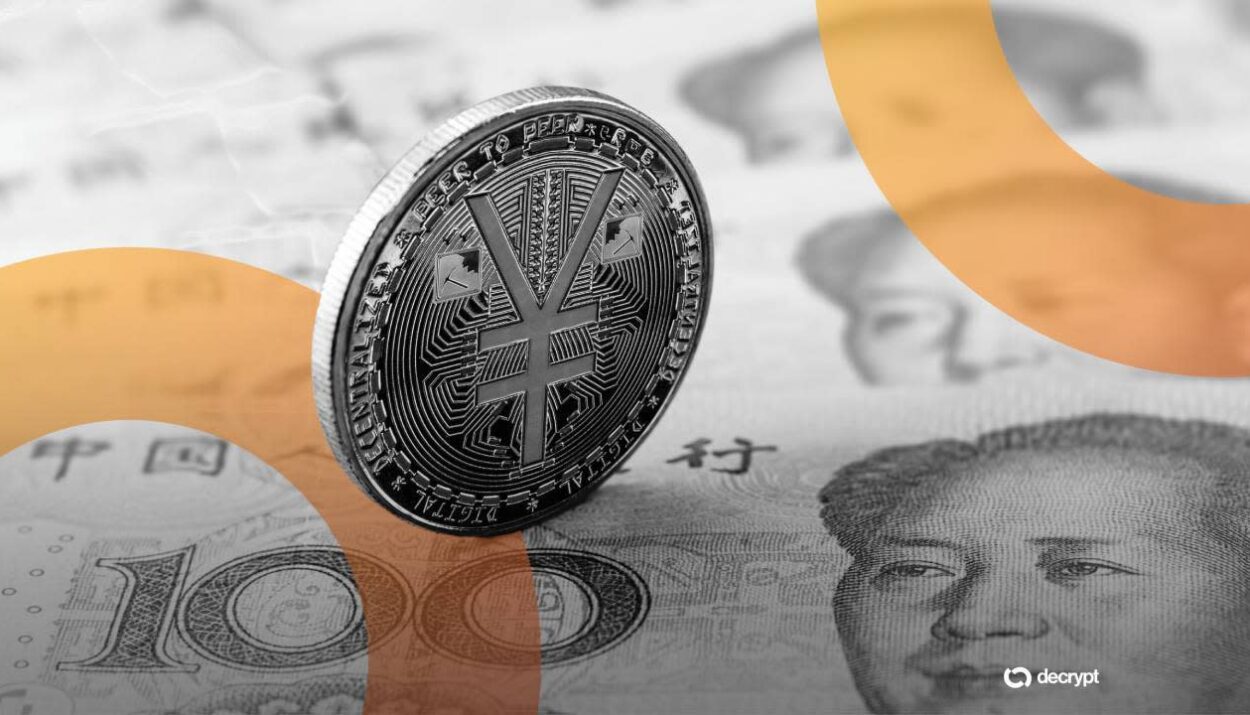

Chinese regulators have moved to lock in a broad crackdown on crypto-linked activity, formally banning unapproved yuan-linked stablecoins and classifying most real-world asset tokenization as illegal financial activity.
In a joint notice issued Friday, the People’s Bank of China and nine other regulators said virtual currencies, stablecoins, and tokenized assets pose systemic financial risks. The document reiterates that cryptocurrencies do not have legal tender status in China and that related issuance, trading, and intermediary services are illegal unless explicitly approved.
Stablecoins and crypto services banned
The notice states that any unapproved issuance of renminbi-linked stablecoins, including offshore offerings, is prohibited. It also confirms that exchanges, trading services, token issuance, and crypto-linked financial products are “strictly prohibited across the board.”
Regulators said speculative crypto activity has been “disrupting economic and financial order and endangering the property safety of the people,” framing the measures as necessary to protect national security and social stability.
RWA tokenization reclassified as illegal
Authorities separately defined real-world asset tokenization as using cryptography and distributed ledgers to turn ownership or income rights into tradable tokens. Unlicensed RWA tokenization, including related technical or intermediary services, will now be treated as illegal financial activity unless conducted within state-approved infrastructure.
Defending monetary control
Market participants say the move is aimed at preserving control over the money supply and shielding the digital yuan from private competition. By requiring prior approval for any renminbi-linked tokens, Beijing is positioning the state as the gatekeeper of the currency’s digital footprint.
Part of a renewed crackdown
The notice marks China’s first crypto ban of 2026 and follows warnings late last year about a resurgence in speculative trading via offshore platforms. Regulators have also previously halted RWA projects and stablecoin ambitions linked to Hong Kong, despite its separate licensing regime.
China is drawing a clear line between state-approved digital finance and private crypto innovation. Yuan-linked stablecoins and decentralised RWA tokenisation are out, while permissioned, government-monitored systems remain the only viablepath forward.
Disclosure: This article does not represent investment advice. The content and materials featured on this page are for educational purposes only.
Related: Are We in an AI Bubble or Just the Early Innings?