
From stocks to bonds to crypto, nearly every major asset class is flashing warning signs as investors face one of the most difficult market setups in years.
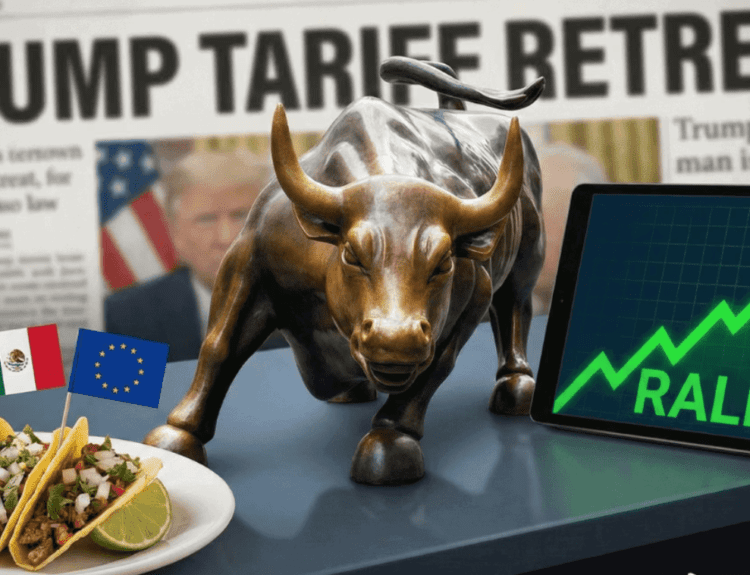
Markets entered 2026 with strong momentum, driven by AI optimism, easing trade tensions, and hopes for lower interest rates. But just weeks later, the picture has changed sharply. The S&P 500 is down more than 7% this year, while the Nasdaq has fallen into correction territory, reflecting growing pressure across equities.
Everything Is Moving the Wrong Way
The current market environment is unusually broad in its weakness:
- The VIX, Wall Street’s fear gauge, has surged above 30, its highest level in a year
- Bond yields are rising, tightening financial conditions
- Gold has pulled back sharply from its highs
- Bitcoin is struggling near $65,000
At the same time, expectations for interest rate cuts have faded, with markets now seeing a higher chance of rate hikes instead.
War and Oil Are Driving Uncertainty
The ongoing Iran conflict continues to dominate sentiment. Investors are increasingly concerned that:
- Higher oil prices will push inflation up again
- Consumer spending could weaken
- Global growth may slow
Despite this, some analysts believe markets may still be underestimating the full economic impact of the conflict.
Bullish Drivers Are Losing Strength
For the past few years, markets had clear support:
- Strong AI-driven investment
- Solid earnings growth
- Falling interest rates
In 2026, those drivers are weakening. New concerns, including the rapid shift toward AI replacing traditional software and stress in parts of the credit market, are adding to the negative outlook.
Some See Opportunity in the Selloff
Not everyone is turning bearish. Some strategists argue the current weakness may be temporary.
- Truist Wealth suggests gradually putting money into the market
- Apollo’s chief economist says markets may be overreacting to short-term volatility
The more optimistic view is that:
- Oil prices will eventually stabilize
- Inflation pressures will ease
- AI growth will continue supporting the economy
What Needs to Change
For markets to recover, one key factor stands out: Oil prices must stabilize or fall. Until then, inflation risks remain elevated, central banks stay cautious, and investor confidence is likely to remain fragile.
Right now, markets are dealing with a rare combination of pressures:
- Geopolitical tension
- Rising inflation risks
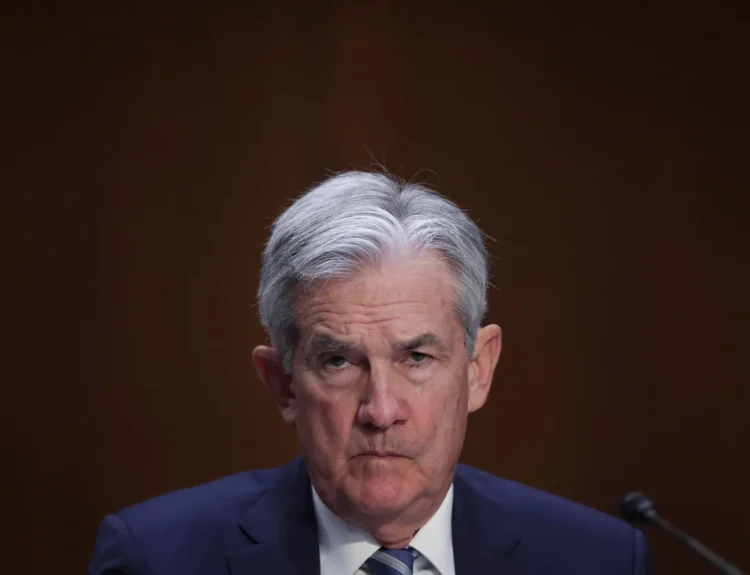
- Uncertain central bank policy
While some see long-term opportunity, the near-term picture remains challenging. For now, investors are holding on as volatility continues to dominate the market.
Disclosure: This article does not represent investment advice. The content and materials featured on this page are for educational purposes only.
Related: Dow Enters Correction as War Fears Deepen Market Selloff