


A deepening Middle East conflict is shaking global markets, pushing oil higher, stocks lower, and forcing investors to rethink the entire rate outlook.
Wall Street heads into the new week under pressure as the ongoing US–Israel conflict with Iran enters its third week, sending shockwaves through energy markets and dragging equities into a sustained decline. What initially looked like a geopolitical flare-up is now evolving into a macroeconomic threat, with rising oil prices feeding inflation fears and complicating central bank policy.
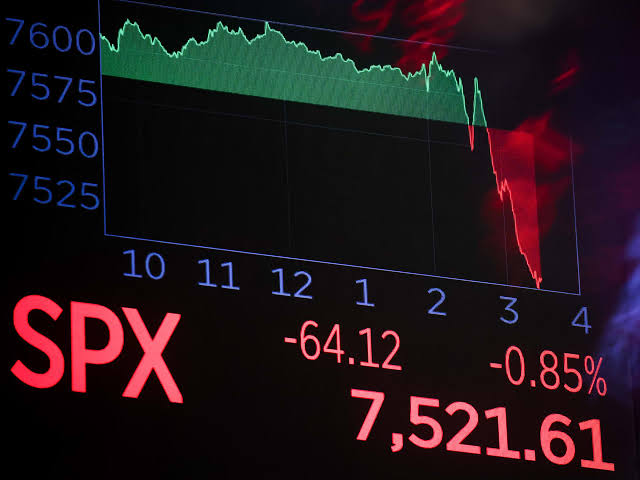
The S&P 500 has now fallen for four consecutive weeks, hitting a six-month low and slipping below its key 200-day moving average, a level closely watched by institutional investors. Meanwhile, the Nasdaq remains nearly 10% below its recent peak, reflecting growing stress across growth stocks.
Oil Is Now the Market’s Main Signal
At the center of everything is oil.
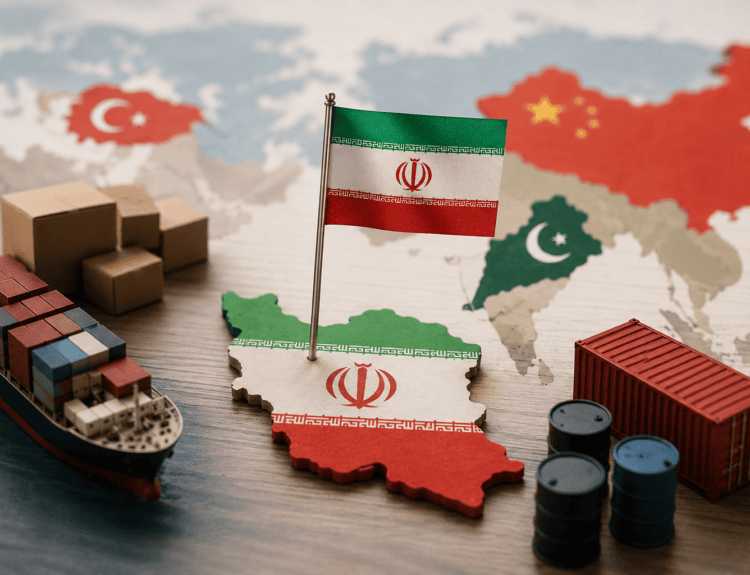
Crude prices have surged more than 40% since late February, with US crude near $98 and Brent above $112. The spike comes as Iran targets regional energy infrastructure and shipping disruptions intensify in the Strait of Hormuz, a critical artery for global energy supply.
This has created a clear pattern in markets:
- Stocks and oil are moving in opposite directions
- The correlation between S&P 500 and oil has dropped to -0.89
- Energy stocks are rising, but they make up less than 4% of the index
For traders, oil is no longer just a commodity, it is the real-time indicator of war risk.
Inflation Fears Are Rewriting the Fed Outlook
The surge in energy prices is feeding directly into inflation expectations, forcing a major shift in how markets see the Federal Reserve.
Just weeks ago, investors expected rate cuts in 2026. Now:
- Rate cuts are being priced out completely
- Markets are even starting to consider rate hikes in 2026
- Treasury yields are climbing sharply, with the 10-year hitting 4.38%
Jerome Powell acknowledged the uncertainty, signaling that the Fed cannot clearly assess how the conflict will impact inflation and growth.
This creates a dangerous combination:
higher oil → higher inflation → higher rates → weaker stocks
Stocks Are Falling, But Not Panicking Yet
Despite the selloff, one surprising detail stands out: the decline has been relatively controlled.
Unlike previous sharp drops, this pullback has been:
- Gradual rather than chaotic
- Supported by still-strong corporate fundamentals
- Driven more by macro fear than company-specific weakness
The S&P 500 is now about 6.8% below its January peak, but analysts note that markets are not yet in full panic mode.
Still, technical signals are flashing warning signs:
- Break below the 200-day moving average
- Drop below key support levels from November
- Weak momentum across major indices
Bond Yields Are the Next Pressure Point
Rising Treasury yields are becoming the second major threat after oil.
If yields continue climbing:
- Borrowing costs increase
- Economic growth slows
- Stocks become less attractive compared to bonds
Key levels to watch:
- 4.3% on the 10-year yield → already breached
- 4.5% → could trigger stronger equity selling
This is where the market battle shifts from geopolitics to financial conditions.
What to Watch This Week
The upcoming week may look light on economic data, but the real driver remains the war.
Still, a few key catalysts could move markets:
- US manufacturing and services data
- Consumer sentiment reports
- Major energy conference in Houston
- Any escalation or de-escalation in Iran
According to UBS analysts, markets are now pricing in a longer, more damaging conflict, with higher oil prices lasting longer than expected.
Markets are entering a fragile phase where geopolitics, inflation, and interest rates are all colliding.
If the conflict escalates further:
- Oil could spike again
- Inflation could stay elevated
- Rate cuts could be delayed even longer
- Stocks could face deeper downside
But if tensions ease: Oil may stabilize, Yields could fall, and equities could recover quickly
Right now, everything depends on one variable: How long the war lasts.
Disclosure: This article does not represent investment advice. The content and materials featured on this page are for educational purposes only.