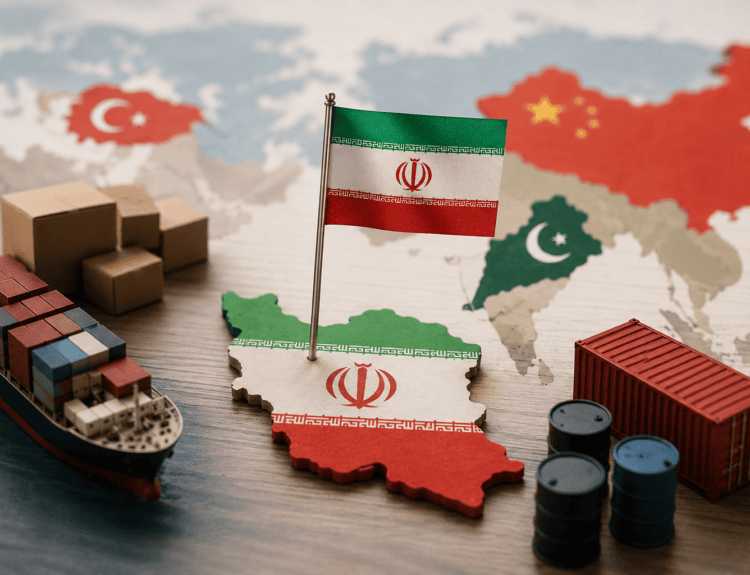

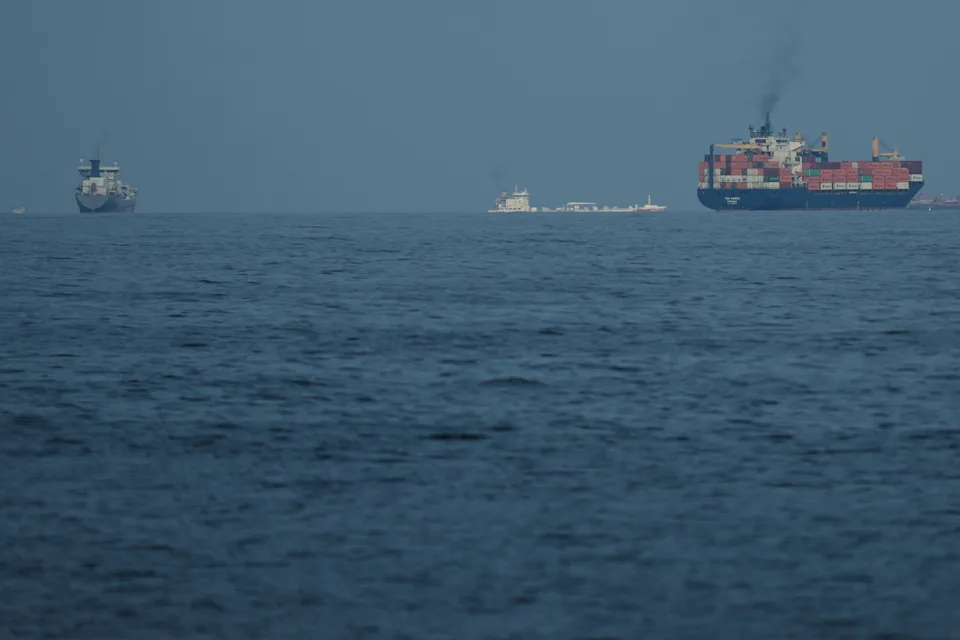

Since late February, the effective closure of the Strait of Hormuz has disrupted one of the world’s most critical trade routes. Around 20% of global oil flows through this narrow passage, along with key materials and goods used in manufacturing.
Now, that disruption is spreading into car production, logistics, and ultimately consumer prices.
Shipping Chaos Is the First Impact
The biggest immediate problem is not just oil, but transport itself. Shipping companies are avoiding the Strait due to security risks. This creates a chain reaction:
- Insurance costs for ships and cargo surge
- Routes become longer and slower
- Freight costs rise sharply
Analysts say rerouting shipments can add days or even weeks to delivery times, while ships burn massive amounts of fuel along the way, making logistics even more expensive.
The result is simple: global supply chains are starting to clog again, similar to what happened during the pandemic.
Europe’s Auto Industry Is Especially Exposed
The disruption is hitting Europe hardest, particularly because of its reliance on Asia-based components.
Key pressure points include:
- Turkey, a major production hub for Europe, is among the most vulnerable
- Just-in-time supply chains are breaking down
- Parts delays can quickly halt production lines
Even small delays matter. Modern auto manufacturing depends on perfect timing, and when one component is missing, entire factories can slow or stop.
Chips Are Back in the Spotlight
The crisis is also reviving one of the industry’s biggest fears: semiconductor shortages.
Even though Iran does not produce chips, shipping disruptions are delaying deliveries from Asia. That matters because:
- A single car can use up to 3,000 chips
- The industry has not fully recovered from past shortages
- Any delay quickly reduces production capacity
This means the sector could face another bottleneck just as it was stabilizing.
Costs Are Rising Across the Board
The auto industry is extremely sensitive to energy prices, and oil is now feeding into almost every part of production.
Higher energy costs affect: Steel and aluminum production, Plastics and chemical materials, Transportation and logistics
This creates a double pressure: Higher production costs, Higher delivery costs
Since automakers already operate on thin margins, most of these costs are expected to be passed on to consumers.
What This Means for Car Prices
The outcome is increasingly clear:
- New vehicles are likely to become more expensive
- Affordable models may become harder to find
- Buyers may delay purchases due to uncertainty
At the same time, rising inflation and interest rates are already making financing more expensive, adding another layer of pressure.
One Unexpected Winner: EVs
There is one potential shift hidden inside the crisis. As fuel prices rise, consumers may start reconsidering their options:
- Hybrid and electric vehicles become more attractive
- Demand could shift away from fuel-heavy SUVs
- Automakers with strong EV lineups could benefit
This trend is already visible in some markets and could accelerate if the conflict continues.
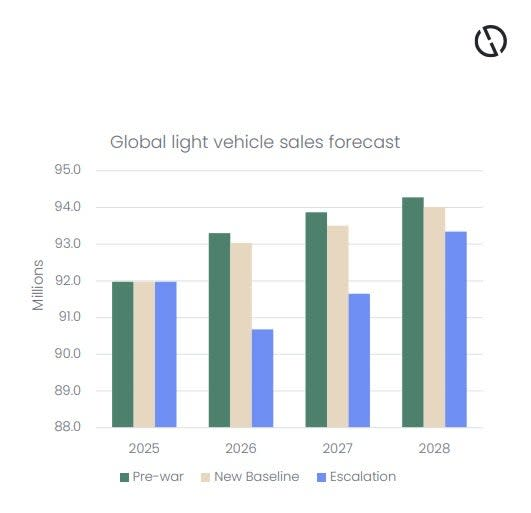
The auto sector is not facing a single problem, but a combination of shocks: Disrupted shipping routes, Rising oil prices, Supply chain delays, and Increasing production costs
Together, these forces are creating a fragile environment where both production and demand are under pressure.
If the Hormuz disruption continues, the impact will go beyond cars, but the auto industry is already one of the first sectors to feel it.
Disclosure: This article does not represent investment advice. The content and materials featured on this page are for educational purposes only.
Related: Iran War Complicates Fed Rate Cuts