
Rising oil prices from the Iran war are making it harder for the Fed to cut interest rates, adding new uncertainty to the economic outlook.
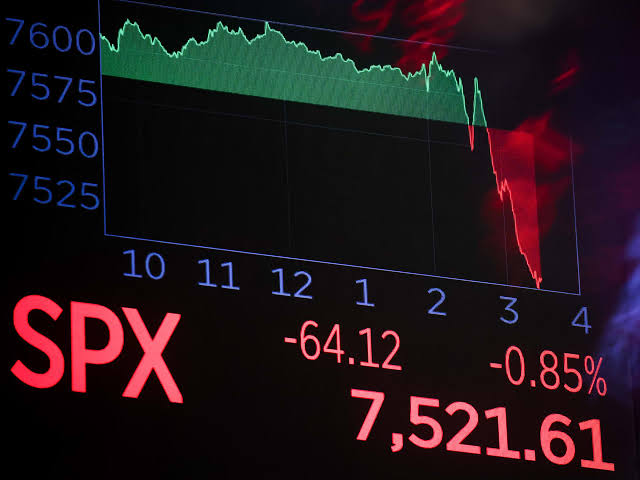
The Federal Reserve held rates steady this week, but officials signaled that rate cuts in 2026 are no longer guaranteed as inflation risks grow.
Energy Shock Changes the Outlook
The conflict has triggered a sharp surge in energy prices:
- Brent crude jumped to around $118 per barrel, up from about $70 a month ago
- Higher energy costs are feeding inflation pressures globally
This creates a difficult environment for rate cuts, which typically require cooling inflation.
Powell Signals Uncertainty
Fed Chair Jerome Powell emphasized how unclear the situation has become.
Officials now have “no conviction” in their forecasts, as the duration of the war and its impact on prices remain unknown. The Fed is trying to stay flexible, avoiding firm guidance on future rate moves.
Rate Cut Expectations Are Fading
Recent projections show a clear shift inside the Fed:
- Fewer policymakers now expect multiple rate cuts
- Seven officials expect no rate cuts at all in 2026
- Only a small minority still supports easing
Earlier expectations for cuts are being scaled back as inflation risks rise again.
Trump Pushes for Immediate Cuts
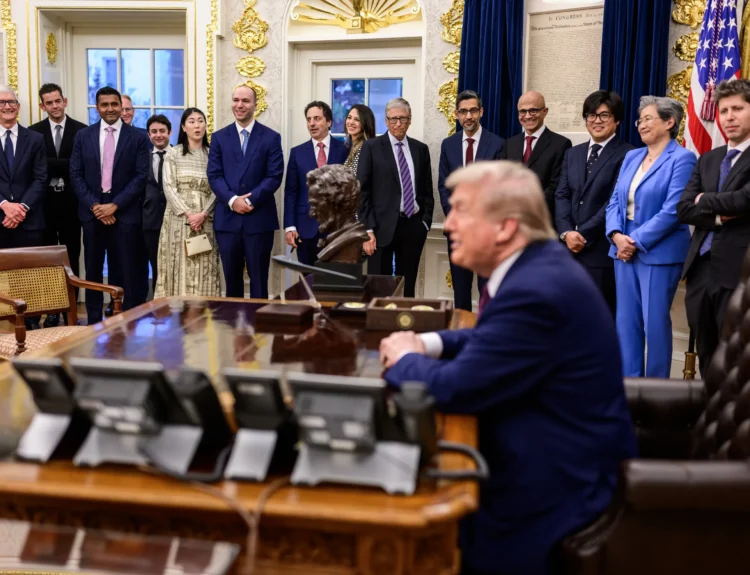
Donald Trump has openly criticised the Fed’s decision to hold rates steady. He renewed calls for immediate rate cuts and accused Powell of being “stubborn” for not acting faster.
The Fed’s Dilemma
The central bank is facing a classic policy conflict:
- High inflation driven by energy prices
- Slowing growth and economic uncertainty
Cutting rates could support growth but risks making inflation worse, especially during an oil shock.
The war in Iran has added a new layer of complexity to monetary policy. With inflation rising and uncertainty high, the Fed’s path forward is narrowing, and for now, the message is clear:
Rate cuts are no longer a sure thing in 2026.
Disclosure: This article does not represent investment advice. The content and materials featured on this page are for educational purposes only.
Related: Fed’s Best Move Now? Do Nothing