



A potential shift away from quarterly earnings reports could ripple across Wall Street, impacting not just companies but an entire ecosystem of white-collar professionals.
The Securities and Exchange Commission is preparing a proposal that would allow companies to report earnings twice a year instead of every quarter, following renewed pressure from Donald Trump.
While the move is framed as a way to reduce corporate burden, its impact could go far beyond boardrooms.
A System That Supports Thousands of Jobs
Quarterly earnings are not just a financial update, they are a massive operational process.
Each report can take weeks to prepare and involves: Legal teams, Accountants and auditors, Investor relations professionals, Communications teams, Financial data providers
Companies spend an average of over 850 hours per quarter preparing earnings, with costs averaging around $330,000 per report, and in some cases reaching millions of dollars.
This spending supports thousands of white-collar jobs, many of which are already under pressure from automation and AI.
Companies Want Less Pressure, But Investors Want More Data
Many CEOs have long argued that quarterly reporting:
- Is too costly and time-consuming
- Encourages short-term thinking
- Distracts from long-term strategy
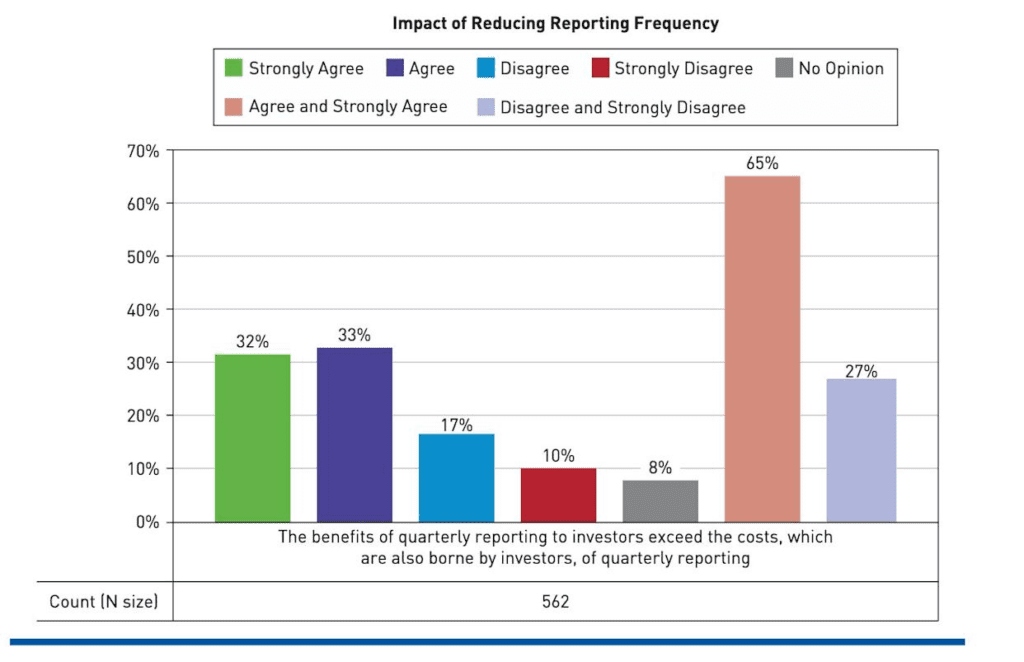
But investors strongly disagree.
Surveys show most investors believe quarterly reporting is essential, and 82% say they would struggle to find information if reporting frequency is reduced.
Even if rules change, experts expect many companies may continue reporting quarterly voluntarily, because investor demand won’t disappear.
Winners: Executives and Long-Term Strategy
In theory, the biggest winners would be top executives.
With fewer reporting cycles, CEOs and CFOs could:
- Spend more time on operations and growth
- Focus on capital allocation and strategy
- Reduce time spent managing earnings expectations
Some estimates suggest executives could gain up to a month of extra time per year.
Losers: Lawyers, Auditors, and Support Roles
The biggest downside may hit professionals tied directly to earnings preparation.
These include: Corporate lawyers, Audit firms, External consultants
These roles are often brought in specifically for earnings cycles, meaning fewer reports could lead to less demand and lower fees.
Unexpected Impact: Data Firms and Hedge Funds
The shift could also reshape how information flows in markets.
- Alternative data providers may benefit, as investors look for new sources of insight
- But hedge funds could lose key trading catalysts, since earnings season is one of the biggest drivers of market moves
As one expert noted, earnings season is often “the best time of the year to make money” for active investors.
The move to reduce earnings reporting may seem like a simple regulatory change, but it could redefine how markets operate.
It raises a fundamental question: Should markets prioritise efficiency for companies or transparency for investors?
If the rule is approved, the impact will extend far beyond earnings calendars, potentially reshaping jobs, data flows, and market behavior across Wall Street.
Disclosure: This article does not represent investment advice. The content and materials featured on this page are for educational purposes only.